
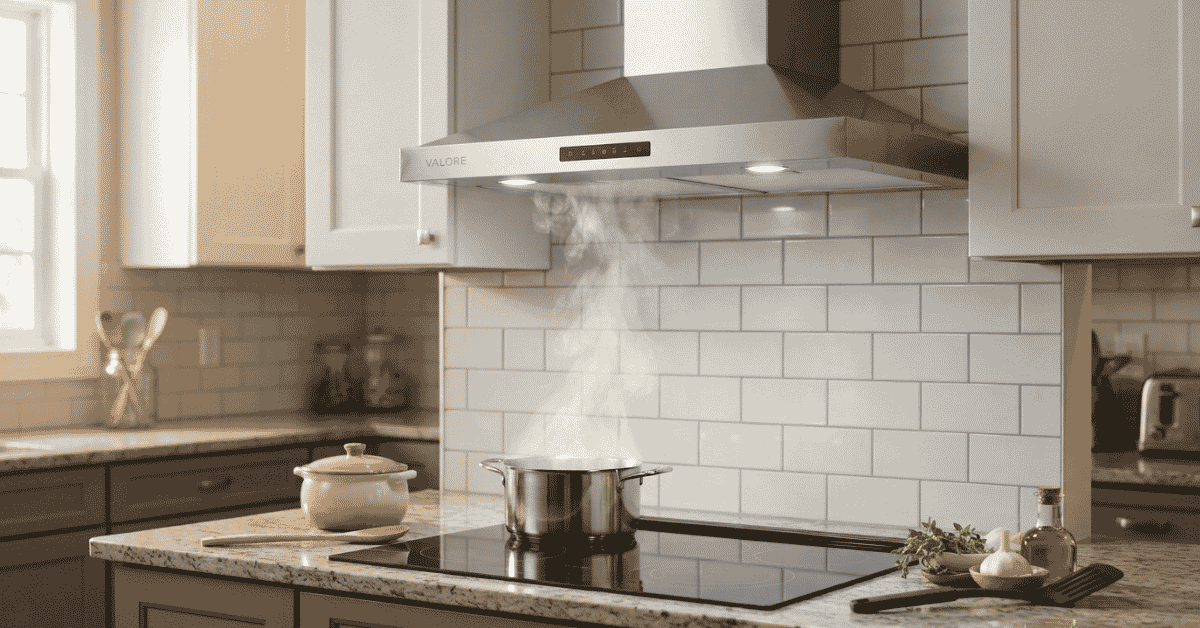
Valore Kitchen Hood can make a big change in a busy home kitchen. I like how a good hood can clear smoke fast. It can also help cut grease, steam, and stale food smells. But the hood must fit the space and cook style. I learned that the hard part is not just picking a hood. It is finding the right size, power, vent path, and care plan. Here, I’ll share what I would check first. Let’s make that choice less hard.
What Is a Valore Kitchen Hood?
A Valore kitchen hood is a kitchen vent hood made to help move air from the cooktop area.
It can pull in smoke, steam, heat, and food odors.
For me, that is the main point of a hood.
Cooking can fill a room with more than the smell of food. Oil can rise as a fine mist. Steam can cling to walls. Smoke can spread fast.
A hood helps manage that air.
Why a Hood Matters
A good hood can make the air feel more fresh.
It can also help reduce grease that may settle on nearby walls and cabinets.
I find this most useful when I cook with high heat.
Fry pans and grills can make a lot of hot air.
A hood gives that air a path out.
What Makes It Useful?
A hood needs more than a fan.
The hood shape must catch air well. The fan must move enough air. The filter must stay clean.
The duct path matters too.
All these parts work as one system.
Choosing the Right Hood Size
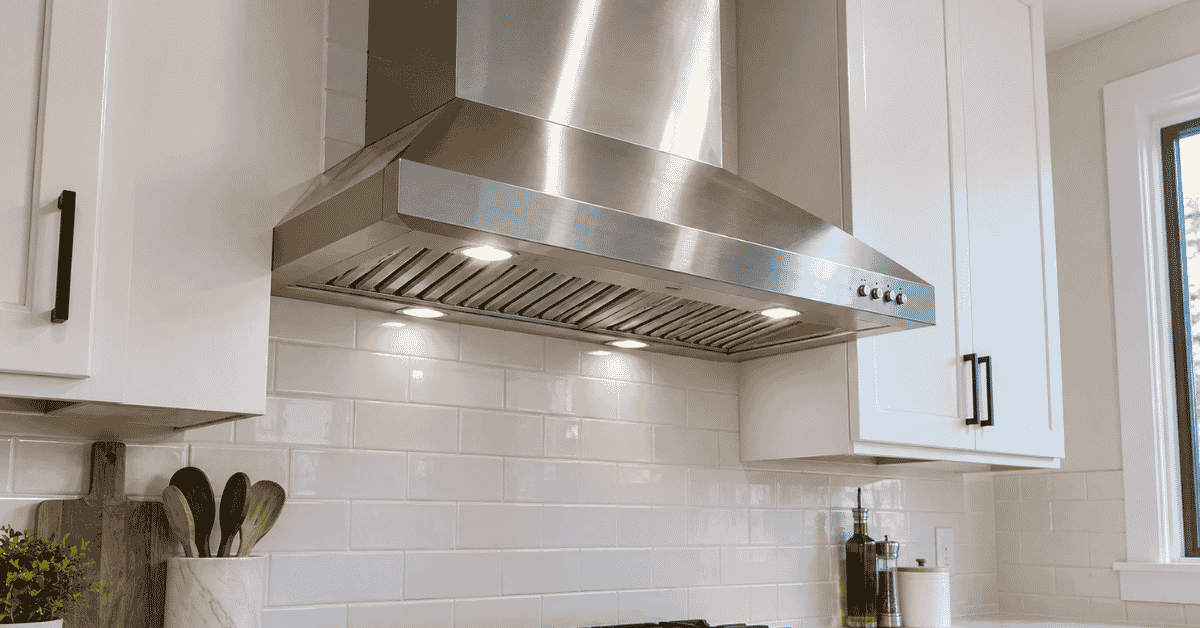
Size is one of the first things I check.
The hood should match the cooktop width.
A hood that is too small may not catch all the rising air.
A wider hood can give the cooking area more cover.
Before I shop, I measure the cooktop.
I then check the space above it.
My Basic Size Check
I look at:
- Cooktop width
- Hood width
- Cabinet width
- Ceiling height
- Wall space
- Duct route
I also check the product guide for its required clear space.
Those details can vary by model.
Why Height Matters
A hood that sits too high may not catch air as well.
One that sits too low may feel cramped.
It can also get in the way.
So I would not guess the height.
I would follow the maker’s guide and local code.
Vent Power and Airflow
Airflow is another key point.
A hood needs enough power for the way you cook.
Light cooking and heavy cooking create different air loads.
If I often fry food, sear meat, or cook with a wok, I want stronger air movement.
For light use, a lower setting may be enough.
A Simple Cooking Guide
| Cooking style | Air demand | What I would look for |
|---|---|---|
| Boil and steam | Low | Basic fan |
| Light pan cook | Low to medium | Mid fan range |
| Daily frying | Medium to high | Strong fan |
| High-heat sear | High | Higher airflow |
| Wok cooking | High | Strong capture and airflow |
These are broad guide points, not fixed ratings.
The right airflow also depends on the hood design.
A strong fan can still work poorly if the hood does not catch the air well.
Ducted or Recirculating?
This choice can change how a hood works.
A ducted hood sends air outside.
A recirculating hood pulls air through filters and sends it back into the room.
I would choose based on the room and install plan.
Ducted Setup
A ducted setup can move smoke and moist air out of the home.
That makes it useful for heavy cooking.
But the duct needs a good route.
Long, bent ducts can reduce airflow.
Recirculating Setup
This type can be easier to fit.
It does not need an outside duct path.
But it does not send the air outdoors.
The filters need care too.
For a kitchen with no easy outside vent, this may be the more practical setup.
Filters and Daily Care
A kitchen hood can collect a lot of grease.
That is why filter care matters so much.
I would check the filter on a set schedule.
The right cleaning method depends on the filter type.
Metal Filters
Metal grease filters can often be washed.
I would use warm water and a mild cleaner.
Then I would rinse and dry them well.
A thick grease layer can reduce airflow.
It can also make the hood smell bad.
Charcoal Filters
Some recirculating hoods use charcoal filters.
These filters trap odors.
They are often not meant to last forever.
The replacement plan depends on the model and use.
I would check the product guide rather than guess.
Noise Level Matters More Than I Thought
A kitchen hood can be loud.
That can be fine during a quick fry.
But it may feel annoying during a long meal prep.
I pay attention to fan noise when I compare hoods.
The highest fan speed will often be louder.
That does not mean the hood is poor.
It means airflow and noise can trade off.
My Practical Test
If possible, I would stand near the hood while it runs.
I listen on low first.
Then I try the higher setting.
I also listen for odd sounds.
A clean, steady fan sound is one thing.
A sharp rattle is another.
A loose part may need repair.
Lighting and Controls
Small features can shape daily use.
Good task light can help me see the cooktop.
That is useful at night.
Controls also matter.
Buttons should be easy to reach and clean.
Touch panels can look neat.
But grease and wet hands may make them less fun to use.
Features I Would Compare
- Fan speed levels
- Light type
- Filter design
- Control layout
- Timer
- Auto shutoff
- Noise rating
- Duct size
- Finish
I would not pay more just for extra buttons.
I care most about the parts I will use each day.
Installation Needs Care
Installing a kitchen hood is not just a matter of hanging it up.
Electrical work and duct work can be involved.
A wrong install can hurt airflow.
It can also create a safety issue.
I would first read the full install guide.
Then I would check the wall, cabinet, and duct path.
What I Would Check
Before work starts, I would confirm:
- Mounting surface
- Power source
- Duct route
- Required clear space
- Vent outlet
- Stud or support points
If wiring or duct changes are needed, I would use a qualified pro.
That is one place where saving time can cost more later.
Common Problems to Watch For
Even a well-made hood can have issues.
Some are tied to fit.
Others come from poor care.
A weak filter can hurt airflow.
A blocked duct can do the same.
A loose panel may cause a rattle.
Grease can also build up around the hood.
My Quick Fix List
If airflow feels weak, I check the filter first.
Then I check for a blocked duct path.
If the fan sounds odd, I stop and inspect the hood.
I do not keep running a unit that shows signs of an electrical fault.
Safety comes first.
Is a Valore Kitchen Hood Right for You?
I would not choose a hood from looks alone.
I would start with my cooking style.
Then I would check the room.
For me, the best fit would balance air control, noise, size, care, and install needs.
A simple hood can be enough for light cooking.
A stronger setup may make more sense for daily frying.
| Need | What I would value most |
|---|---|
| Small kitchen | Compact fit |
| Heavy frying | Strong airflow |
| Open kitchen | Good capture |
| No outside duct | Recirculation option |
| Night cooking | Good task light |
| Easy care | Simple filter access |
| Quiet home | Lower noise at useful speeds |
The goal is not the most complex hood.
The goal is the right one for the space.
Final Checks Before I Buy
I like to pause before making the final choice.
I measure the cooktop again.
Then I check the hood size.
I read the airflow data.
I check the noise rating.
I look at the filter type.
I also check if the unit can use my planned duct path.
Finally, I look at the care needs.
A hood may look great in a photo.
But daily use tells the real story.
FAQs About Valore Kitchen Hood
What does a Valore kitchen hood do?
It helps pull smoke, steam, heat, grease, and odors from the cooktop area. Learn more about kitchen hood basics.
How do I pick the right hood size?
Measure your cooktop first, then match the hood size to the maker’s guide. Learn more about hood fit.
Is ducted or recirculating better?
Ducted systems send air out, while recirculating types filter and return air. Learn more about both setups.
How often should I clean the hood filter?
Check it often if you cook with oil or high heat. Clean or replace it as the maker says. Learn more about filter care.
Can I install a kitchen hood myself?
Simple work may seem easy, but wiring and duct work can need a pro. Learn more about safe hood installation.
Final Takeaway
I think a kitchen hood earns its place through daily use. It should catch air well, run at a useful level, and stay easy to clean. The right size matters too. So does the duct path and filter care. I would measure twice before I buy. Then I would check the install plan with care. As the fading light hits the counter, the soft sound of my keyboard fades too. The goal stays simple. Keep the kitchen fresh and the work safe.