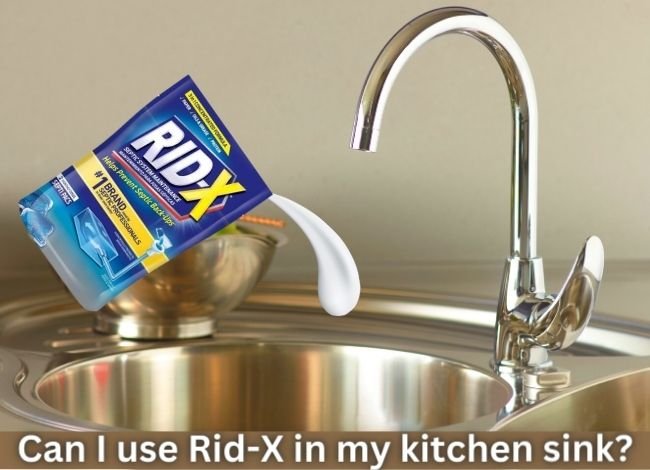
Yes, you can use certain RID-X liquid septic treatments in a kitchen sink if the exact product label allows it. The U.S. label for RID-X liquid treatment gives directions for use in a sink drain. For the listed liquid product, the directions say to use 8 fluid ounces for a septic tank up to 1,500 gallons, then run water down the sink for 15 seconds. However, RID-X is a septic system treatment, not a general drain opener. Check your own package before using it, and do not expect it to clear a clogged pipe.
In many American homes, the kitchen sink handles dishwater, food scraps, soap, and small bits of grease each day. That steady flow can lead to slow drainage or bad smells, especially when food waste and grease build up inside the plumbing. A septic system adds another concern because waste from the sink may pass into a tank that relies on natural biological processes.
RID-X products are made for septic system treatment, but their directions can differ by form and package. The liquid product’s listed instructions allow use through a sink drain, while the powder product’s instructions direct users to pour it into a toilet. That difference matters. Use only the product and method stated on the package in your hands. If your sink is blocked, first find the cause rather than treating the drain with a septic additive.
RID-X is a septic system treatment that contains bacteria and enzymes. Its intended role is to help break down certain types of household waste inside a septic system. It is not the same as a caustic drain cleaner designed to attack a clog in a pipe.
In a home with a septic tank, water from a connected kitchen sink usually travels through the drain pipes and into the tank. The tank separates solids from wastewater, while microbes help break down some organic material. Wastewater then moves toward the drainfield for further treatment in the soil.
A product that supports biological waste breakdown does not remove every material that enters a drain. Plastic, grit, fibrous scraps, and many other objects cannot simply be digested by bacteria. Even grease can cause trouble when too much enters the plumbing or septic tank.
The U.S. Environmental Protection Agency says routine septic system care matters more than relying on additives. Its guidance does not recommend septic tank additives as a general need for domestic wastewater treatment. A properly working system already contains microbes that help treat waste. RID-X should never replace inspection, pumping, or repairs when those services are needed.
Source: bighomeprojects.com
RID-X septic treatment
A product intended to support the breakdown of certain organic household waste in septic systems, subject to the exact label directions.
Drain opener
A product intended to clear a blocked drain. It may contain strong chemicals and can pose risks if used incorrectly, especially in septic systems.
Drain maintenance
A set of habits that includes removing food scraps, limiting grease, cleaning the strainer, and addressing slow drainage early.
Does RID-X Work in a Kitchen Sink?
It depends on the product. The U.S. directions listed for RID-X liquid septic treatment allow the liquid to go into a sink drain. The listed powder treatment, by contrast, directs users to pour the product into a toilet and flush twice. These are not interchangeable instructions.
Even when the label permits sink use, that does not mean the product will clear a clog or remove a thick layer of grease from the pipe. It is intended for septic treatment, and its use should match the product’s stated purpose.
Check the form
Confirm whether you have liquid, powder, or another product version.
Read the label
Use the dose, route, and timing printed on your package. Do not copy directions from a different RID-X product.
If you have the RID-X liquid septic treatment whose U.S. label permits sink use, follow that product’s directions. The label listed for liquid RID-X says to use it monthly. For septic tanks up to 1,500 gallons, it specifies 8 fluid ounces, followed by running water down the sink drain for 15 seconds.
Check the bottle you own before measuring anything. Product labels can change, and package directions take priority over an online guide. If your container gives different directions, follow the container or contact the manufacturer for clarification.
Before you start, make sure you are treating a suitable septic system rather than trying to open a blocked drain. If water is standing in the sink, draining very slowly, or backing up into another fixture, stop and diagnose the problem first. Adding a septic treatment will not remove a solid obstruction.
Source: i.ytimg.com
Step 1: Confirm your plumbing system
Find out whether the kitchen sink drains to a septic tank or a municipal sewer. RID-X is intended for septic system treatment, so routine use is not automatically useful in a home connected to a public sewer.
Step 2: Identify the exact product
Read the product name and form on the bottle or box. Do not use the liquid directions for powder, or the directions for another septic product.
Step 3: Check the sink condition
Make sure the sink drains normally. If the basin is full of standing water or the drain is blocked, address that issue instead of pouring in a treatment.
Step 4: Measure the labeled dose
For the listed liquid product and a septic tank up to 1,500 gallons, the label specifies 8 fluid ounces. Use a suitable measuring method and avoid splashes.
Step 5: Add the liquid as directed
Pour the measured dose into the sink drain only if your product label permits this method. Avoid splashing it onto your skin, into your eyes, or onto nearby food and dishes.
Step 6: Run water for the labeled time
The listed liquid directions say to run water down the sink drain for 15 seconds. Follow the current label on your bottle if it gives another instruction.
Step 7: Store the product safely
Close the container and store it in its original packaging, out of reach of children and pets. Follow all label precautions for storage and handling.
How Much RID-X Should You Put in a Kitchen Sink?
For the listed RID-X liquid septic treatment, the directions specify 8 fluid ounces for tanks up to 1,500 gallons. That amount is a product-specific direction, not a universal dose for every septic additive.
Do not pour in extra liquid because the sink smells bad or drains slowly. More product does not mean faster results, and an excessive dose can conflict with the label. If you cannot identify the product or tank size, check the packaging and contact the manufacturer or a septic professional before use.
Correct product and tank range
Use the dose stated for the exact liquid product and the tank capacity covered by its label.
Unknown tank size or product
Do not guess. Check maintenance records, the label, or ask a qualified septic service provider.
Should You Run Hot or Cold Water?
Follow the label’s water instructions instead of choosing a temperature based on internet advice. The listed liquid directions require running water for 15 seconds but do not make hot water a special step.
Do not pour boiling water into a sink to help RID-X work. Boiling water can create a burn risk and may harm some plumbing components. It also does not solve every type of blockage.
Use the stated water step
Run water for the required time and at a normal temperature unless the current product label says otherwise.
Avoid improvised treatments
Do not add boiling water, bleach, vinegar, or another drain chemical to the treatment process.
When RID-X Is Not the Right Fix
RID-X is not a reliable way to open a blocked kitchen sink. A slow drain can result from food scraps, grease, soap residue, a clogged P-trap, or a deeper plumbing problem. A septic system issue can also cause trouble, but it needs a different check.
Start with the simplest safe checks. Remove loose debris from the sink strainer, then see whether water drains normally. If the sink remains slow, a plunger or a suitable drain snake may help, provided you can use it safely and no chemical drain opener has been poured into the pipe.
Do not mix drain products. If you have already used a chemical drain cleaner, tell the plumber which product you used and when. Some cleaners can splash back or release dangerous fumes when combined with other substances. Avoid taking apart a trap that may contain corrosive liquid.
The EPA advises homeowners with septic systems to avoid chemical drain openers for clogged drains. A mechanical method, such as a drain snake, is often a better starting point. For a difficult blockage, a plumber can assess the line without relying on a septic additive.
Source: septic-tank-servicing.com
Standing water
Remove visible debris if safe. Do not add RID-X as a substitute for clearing the blockage.
A greasy or food-filled clog
Use a suitable mechanical method or call a plumber. Do not push more grease or food into the drain.
Several drains backing up
Stop running large amounts of water and contact a plumber or septic professional. The problem may be farther down the drainage system.
Repeated septic backups
Arrange a system inspection. An additive cannot repair a full tank, damaged pipe, blocked outlet, or failing drainfield.
RID-X vs. a Drain Cleaner
These products serve different purposes. RID-X septic treatment supplies bacteria and enzymes for biological waste breakdown. A drain cleaner is intended to act on a clog and may contain corrosive or caustic ingredients.
A septic tank needs a balanced process that separates solids and treats wastewater. Using a strong drain chemical to force a blockage through can create risks for the user, pipes, and septic system. Read the label and choose a method that matches the actual problem.
Use septic treatment only for its stated purpose
Do not expect a biological additive to dissolve a solid object or rapidly remove a pipe blockage.
Treat clogs as plumbing problems
Use an appropriate mechanical method or arrange a professional assessment when the cause is unclear.
Can You Use RID-X for Kitchen Sink Odors?
A bad smell from the kitchen sink does not always mean the septic tank needs treatment. Food scraps trapped in the strainer, grease on the pipe walls, a dirty garbage disposal, or a dry plumbing trap can all cause odors. Finding the source is more useful than adding a product at random.
Begin by removing food scraps from the strainer and cleaning the sink surface with a suitable household cleaner. If you have a garbage disposal, follow its manual for cleaning and care. Turn the unit off before inspecting it, and never put your hand inside the disposal.
If the smell comes from the drain itself, check whether the sink drains normally and whether the odor returns soon after cleaning. A persistent sewer-like smell may point to a plumbing vent, trap, or drain problem. A septic system that is not working properly may also cause odors, especially when more than one fixture is affected.
RID-X liquid treatment may be used through the sink only when its label permits that route, but there is no guarantee it will remove sink odors. The product is not a replacement for cleaning the drain or repairing a plumbing fault.
Source: thecrownchoice.b-cdn.net
Clean the strainer
Remove trapped food and wash the strainer with dish soap and water.
Limit grease
Let fats and cooking oil cool, then place them in the trash according to local waste rules rather than pouring them down the sink.
If the smell persists after basic cleaning, ask a plumber to check the trap, vent, and drain line.
Why Grease Is a Problem for Septic Systems
Cooking grease can cool and cling to pipes. In a septic tank, fats, oils, and grease can add to the floating scum layer. Sending too much down the drain can increase maintenance needs and contribute to trouble farther along the system.
RID-X directions do not give homeowners permission to pour cooking oil into a sink. The EPA advises against disposing of fats, oils, and grease down household drains connected to septic systems. Scrape plates into the trash before washing them, and wipe greasy pans with a paper towel when appropriate.
Keep grease out
Collect used cooking oil and cooled fats in a suitable container for disposal.
Reduce food waste
Use a sink strainer and limit garbage disposal use if your home has a septic tank.
Safety Rules and Common Mistakes to Avoid
Use RID-X only as directed on the exact package. Keep the product away from children and pets, avoid contact with eyes, and wash your hands after handling it. The product’s safety label is the best source for first aid, storage, and any special precautions.
Do not mix RID-X with bleach, vinegar, ammonia, chemical drain openers, or other cleaning products. Mixing household products can create dangerous reactions, and there is no need to combine them to use a septic treatment. If a cleaner is already sitting in the drain, do not add RID-X or another substance on top of it.
Do not treat a septic additive as a way to avoid pumping. Septic tanks collect solids that do not all break down. Even a treatment that helps biological breakdown cannot remove every solid or repair a damaged component. Follow the maintenance schedule recommended for your tank and local conditions.
The EPA does not recommend septic tank additives as a general requirement for domestic wastewater treatment. Some additives may be ineffective, and certain products can affect system performance or the environment. If your septic system has a problem, a qualified professional can determine whether it needs pumping, cleaning, repair, or another form of service.
Source: storiesofahouse.com
Never mix products
Do not combine RID-X with drain openers, bleach, vinegar, ammonia, or other chemicals.
Follow the exact label
Check the product form, dose, application route, frequency, and safety directions before use.
Do not overuse
Adding extra treatment will not make a blocked sink drain faster.
Keep up with septic care
Arrange inspections and pumping as needed. Additives do not replace these tasks.
Get help for warning signs
Contact a qualified professional if wastewater backs up, several fixtures drain poorly, or sewage odors persist.
What If You Already Poured RID-X Into the Sink?
If you used the correct RID-X liquid product according to its sink directions, there is generally no need to add anything else. Follow the package instructions and avoid trying to speed up the process with other chemicals.
If you used the powder product in the sink even though its label directs you to use a toilet, do not add more product to correct the mistake. Check the packaging and contact the manufacturer’s consumer support line if you are unsure what to do next.
If you notice an unusual reaction, eye or skin irritation, or breathing trouble, move away from the product and follow the safety label’s first-aid guidance. For serious symptoms, seek urgent medical help or contact the appropriate poison control service.
Correct liquid used as directed
Follow the labeled water step and do not add extra chemicals.
Wrong product or uncertain amount
Stop, check the label, and contact the manufacturer for product-specific guidance.
Physical symptoms or exposure
Use the package first-aid directions and seek medical advice when needed.
Better Ways to Keep a Kitchen Sink and Septic System Healthy
Simple habits help prevent many kitchen drain problems. A strainer catches food scraps before they enter the pipe, while careful grease disposal limits buildup. These steps are useful whether your home connects to a septic tank or a public sewer.
If your home has a septic system, the EPA recommends paying attention to everything that goes down the drain. Grease, coffee grounds, harsh chemicals, and excess food waste can create avoidable problems. Garbage disposals also send more solid waste into the tank and may increase the need for pumping.
Keep track of septic inspections and pumping dates. The right schedule depends on tank size, household use, and the amount of solids entering the system. If drains begin to back up or wastewater appears near the drainfield, do not rely on a treatment product to solve the issue.
Good drain care is often less costly than waiting for a blockage to spread. Clean visible debris, use suitable mechanical tools when needed, and ask a plumber to inspect a recurring problem. Use RID-X only if you choose to use a septic additive and the directions for your exact product permit it.
Source: differencesonly.com
Use a drain strainer
Catch food scraps and empty the strainer into the trash or compost where suitable.
Dispose of grease correctly
Do not pour oil, melted fat, or greasy cooking liquid into the sink.
Clean on a regular basis
Wash the sink and strainer with a suitable cleaner. Follow the garbage disposal maker’s care instructions if you have one.
Use mechanical tools carefully
A suitable plunger or drain snake may help with a simple clog. Avoid tools or methods that could damage the pipe.
Maintain the septic tank
Keep inspection and pumping records and follow advice suited to your system.
How to Tell Whether the Problem Is in the Sink or Septic System
A problem limited to one kitchen sink often points to the strainer, trap, or nearby drain pipe. If the bathroom sink, shower, or toilet also backs up, the problem may be farther along the main drain or in the septic system.
These signs are clues, not a final diagnosis. A plumber or septic service provider can inspect the system and identify the cause. Stop using large amounts of water if wastewater is backing up, and keep people away from sewage.
Only one sink is slow
Check the strainer and accessible drain parts if it is safe to do so.
Several fixtures are affected
Arrange a professional plumbing inspection rather than adding a septic treatment.
Sewage or wet areas near the drainfield
Contact a septic professional promptly and avoid contact with wastewater.
Frequently Asked Questions
Q
Can I pour RID-X directly into my kitchen sink?
The listed U.S. directions for RID-X liquid septic treatment allow use in a sink drain. The listed powder product, however, directs users to pour it into a toilet. Check your exact package and follow its instructions. Do not use a septic treatment as a substitute for clearing a blocked drain.
Q
How much RID-X liquid should I use in a kitchen sink?
The listed directions for RID-X liquid specify 8 fluid ounces for a septic tank up to 1,500 gallons, followed by running water down the sink drain for 15 seconds. Check the current label on your bottle because product versions and directions may differ. Never guess the dose or add extra treatment.
Q
Can RID-X unclog a slow kitchen sink?
RID-X is a septic treatment, not a dedicated drain opener. It should not be relied on to clear food scraps, grease buildup, a blocked P-trap, or a solid object. Check the strainer and consider a suitable mechanical method. If the blockage remains, contact a plumber.
Q
Can I use RID-X if my home has a public sewer?
RID-X is designed for septic system treatment, so a home connected to a public sewer generally has no clear need for it. It will not serve as a standard kitchen drain cleaner. Check your plumbing setup and product label before use.
Q
Will RID-X remove a bad smell from my kitchen sink?
Not necessarily. Sink odors can come from trapped food, grease, a dirty garbage disposal, a plumbing trap, or a vent problem. Clean the strainer and follow the disposal maker’s care instructions. If the smell persists or other drains are affected, ask a plumber to inspect the plumbing.
Q
Can I mix RID-X with bleach or a drain cleaner?
No. Do not mix RID-X with bleach, vinegar, ammonia, chemical drain openers, or other cleaning products. Mixing household products can create hazardous reactions. If another cleaner is already in the drain, do not add RID-X on top of it.
Q
Does RID-X mean I no longer need septic tank pumping?
No. Septic treatments do not replace inspection, pumping, or repairs. Solids that do not break down can still collect in the tank. Follow a maintenance schedule based on your tank, household use, and advice from a qualified septic professional.
✦ Wrapping Up
Conclusion
You can use certain RID-X liquid septic treatments in a kitchen sink when the exact U.S. product label permits it. For the listed liquid version, the directions specify 8 fluid ounces for septic tanks up to 1,500 gallons, followed by running water down the sink drain for 15 seconds. Do not assume those directions apply to the powder or another product version.
The main point is to match the product to the problem. RID-X is intended for septic treatment, not for clearing a blocked kitchen drain. Keep food scraps and grease out of the pipe, avoid mixing household chemicals, and seek professional help if water backs up or several drains show signs of trouble. Regular septic care remains necessary, whether or not you choose to use an additive.
💡 Key Takeaway
Before using RID-X, check whether your home has a septic tank, confirm the exact product form, and read the current label. Use only the stated dose and method. If the sink is clogged, deal with the blockage first instead of relying on a septic treatment.