
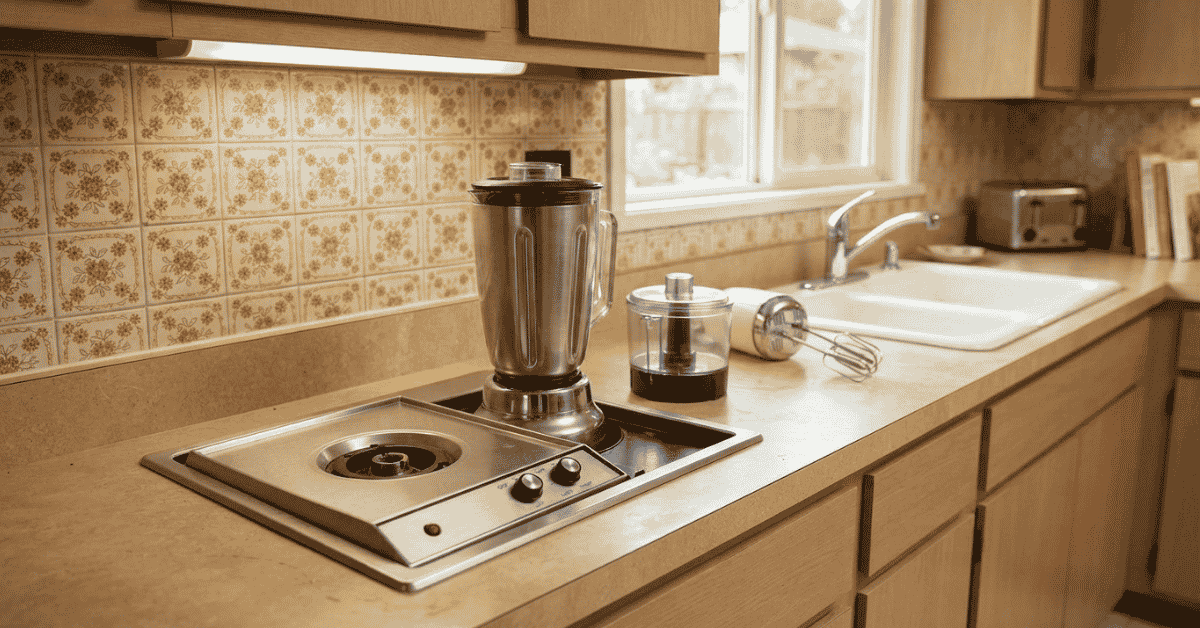
NuTone Kitchen Center caught my eye as a smart old-school kitchen idea. I like gear that does more than one job. A kitchen center can bring key tools into one spot. That can save room and cut clutter. But older NuTone units can raise some key questions. I wanted to know what they do, how they work, and what care they need. So, I dug into the main parts and use cases. Here is what I found worth knowing.
What Is a NuTone Kitchen Center?
A NuTone Kitchen Center is a built-in kitchen unit made to combine useful home tools in one place.
NuTone is known for home products such as ventilation, intercom, and kitchen gear.
The term Kitchen Center is often tied to older built-in NuTone kitchen systems.
These units were made for homes where space and ease both mattered.
Instead of using many loose tools, the system could keep key items close at hand.
Why Was This Idea Clever?
I think the core idea still feels useful.
A built-in system can keep the work zone neat.
It can also place tools at a set height.
That may help with daily food prep.
The trade-off is age.
Many Kitchen Center units are now older.
So, parts, fit, and repair can be a bigger issue than with new gear.
What Could a Kitchen Center Include?
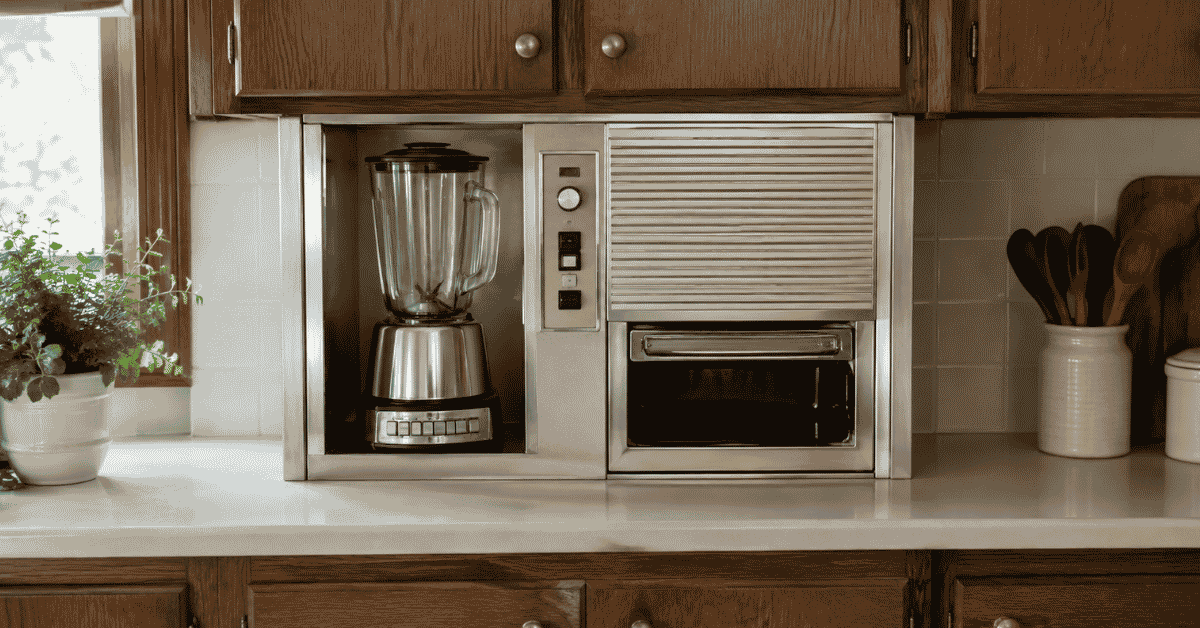
The exact setup can vary.
Some units were made around a central food prep area.
They could include tools or features meant for common kitchen tasks.
Depending on the model, the system may relate to:
- Food prep
- Mixing
- Storage
- Vent use
- Built-in power
- Small kitchen appliances
This is why the model number matters.
A name alone may not tell you the full setup.
Why Model Details Matter
I would not buy parts based only on the NuTone name.
Older product lines can have many versions.
A part that fits one unit may not fit another.
I would first find the model label.
Then I would check the part number.
That small step can save a lot of time.
Why People Still Search for NuTone Kitchen Centers
I find three main reasons this type of old kitchen gear still gets attention.
First, some homes still have the units.
Second, some owners need parts.
Third, some people want to restore an older kitchen.
The built-in look can also appeal to fans of mid-century design.
Built-In Design Has Charm
A built-in unit can feel neat and solid.
It does not need to sit on the counter when not in use.
That can free up work space.
For a small kitchen, that can be a big plus.
But old design does not always mean easy care.
Age can bring wear.
Common Parts That May Need Care
Older kitchen centers can have many working parts.
Some are simple.
Others may be harder to source.
I would check each part before using an old unit.
Key areas may include:
- Switches
- Power cords
- Motors
- Gears
- Mounts
- Blades
- Knobs
- Covers
- Seals
- Fasteners
The exact list depends on the model.
Electrical Parts Need Extra Care
This is where I would slow down.
Old wires can crack.
Plugs can wear.
Insulation can break down.
If a unit smells hot, sparks, trips a breaker, or shows damaged wiring, I would stop using it.
I would have a qualified repair pro check it.
A vintage kitchen tool is not worth an electrical risk.
NuTone Kitchen Center vs Modern Tools
A modern kitchen may use loose tools.
That gives more choice.
A built-in center gives a more fixed setup.
Here is how I would compare them.
| Feature | NuTone Kitchen Center | Modern Counter Tools |
|---|---|---|
| Style | Built-in | Portable |
| Counter space | Can save space | Uses counter space |
| Parts | May be hard to find | Often easier to source |
| Design | Vintage look | Modern look |
| Repair | Can need a specialist | Often simpler |
| Flexibility | Fixed location | Easy to move |
| Value | Depends on condition | Depends on model |
I would not call one better for every home.
The right fit depends on what you value.
If charm and built-in form matter, the old unit has appeal.
If easy repair matters most, newer gear may be simpler.
How I Would Inspect One
If I found a NuTone Kitchen Center in an older home, I would not switch it on right away.
First, I would look at the outside.
Then I would inspect the parts I can reach.
My Inspection List
I would check:
- Model number
- Power cord
- Plug
- Switches
- Mounting points
- Visible rust
- Cracks
- Missing covers
- Loose parts
- Signs of past heat damage
I would also check if the unit has been exposed to water.
Water and old wiring are not a good mix.
Clean Before Use
Dust can build up in old units.
Grease can also sit in hidden spots.
I would clean the areas that are safe to reach.
I would not soak electrical parts.
I would also avoid forcing old knobs or gears.
Old plastic can become brittle.
Finding Parts for an Older Unit
Parts can be the hardest part of owning vintage kitchen gear.
That does not mean every unit is impossible to fix.
It means I would research before buying.
I would record the full model and part number.
Then I would compare the shape, size, and connection.
What I Would Search For
Useful details can include:
- Full model number
- Part number
- Serial information
- Manual number
- Motor details
- Switch type
Photos can also help when a part has no clear label.
I would not assume that a part is correct just because it looks close.
Small changes can affect fit.
Should You Restore a NuTone Kitchen Center?
Restoration can make sense for the right unit.
I would first look at its condition.
A clean shell with minor wear may be worth saving.
A unit with major electrical damage may be another story.
My Simple Restore Test
I would ask:
Is the body in good shape?
Are key parts still present?
Can safe replacement parts be found?
Will the repair cost stay reasonable?
Does the built-in design add value to the kitchen?
If most answers are yes, restoration may be worth exploring.
If not, keeping the unit as a design feature may make more sense.
Vintage Charm vs Daily Function
This is the part I find most interesting.
A vintage kitchen center can look great.
But looks do not tell me if it works well.
Modern appliances often offer easier controls, newer safety features, and better access to replacement parts.
An old unit may offer a very different feel.
The built-in design can make the kitchen feel planned rather than crowded.
That visual effect can be worth a lot to some homeowners.
Still, I would put safe function first.
Common Mistakes With Old Kitchen Centers
There are a few mistakes I would avoid.
The first is turning on a unit without an inspection.
The second is forcing stuck parts.
The third is using the wrong replacement piece.
Another mistake is cleaning with too much water.
I would also avoid guessing at wiring.
When I Would Call a Pro
I would get expert help when the work involves:
- Damaged wiring
- Internal electrical parts
- Hard-to-reach motors
- Built-in power changes
- Major mounting work
That keeps the restoration safer.
Is a NuTone Kitchen Center Worth Keeping?
For me, the answer would depend on condition and purpose.
If the unit works and fits the home’s style, it can be a neat feature.
If it needs major work, I would compare repair costs first.
| Situation | What I would do |
|---|---|
| Clean and working | Keep and maintain |
| Minor wear | Restore with care |
| Missing small part | Research replacement |
| Damaged wiring | Stop and seek repair |
| Major missing parts | Compare repair cost |
| Decorative value only | Preserve without unsafe use |
The key is to judge the actual unit.
Not just the name.
Frequently Asked Questions
What is a NuTone Kitchen Center used for?
It uses a built-in motor with food prep tools like a mixer, blender, and grinder. Learn more about each attachment before use.
Are NuTone Kitchen Center parts still available?
Yes, some parts still appear through vintage sellers and resale sites, but fit can vary by model. Learn more about your model first.
Can I replace a NuTone blender jar?
You may find replacement jars, but check the exact motor and model before buying. Learn more about compatible NuTone parts.
Is the NuTone Kitchen Center still made?
The classic built-in food center is a vintage appliance, and many parts now come through resale or specialty sources. Learn more about its history.
How do I identify my NuTone Kitchen Center?
Look for a model number on the motor or housing, then match each part to that number. Learn more before ordering a replacement.
Final Takeaway
A NuTone Kitchen Center has a kind of charm that new gear cannot copy. I like its built-in feel and clever use of space. Yet age changes the game. I would inspect the unit, find its exact model, and check its wiring before use. Parts may take time to track down. That is part of the vintage journey. As the fading light rests on the counter, the sound of my keyboard slows. I think the best old gear deserves care, not blind trust.