To find a KidKraft kitchen replacement sink, identify your play kitchen model, measure the old basin, and check for a matching original part before buying a generic replacement.
Across homes in the United States, wooden play kitchens give kids a fun place to cook, wash toy dishes, and play house. But a cracked sink or a missing basin can make a much-loved toy kitchen less useful. The good news is that you may not need to replace the whole kitchen. Start by checking the model name, the shape of the sink, and how the basin sits in the counter.
A KidKraft kitchen replacement sink is not a universal part for every toy kitchen. Different models can use different basin shapes, sizes, colors, and mounting methods. This guide explains how to identify the right part, where to look for one, how to measure the opening, and what to do if an exact match is hard to find. It also covers simple repairs and child safety.
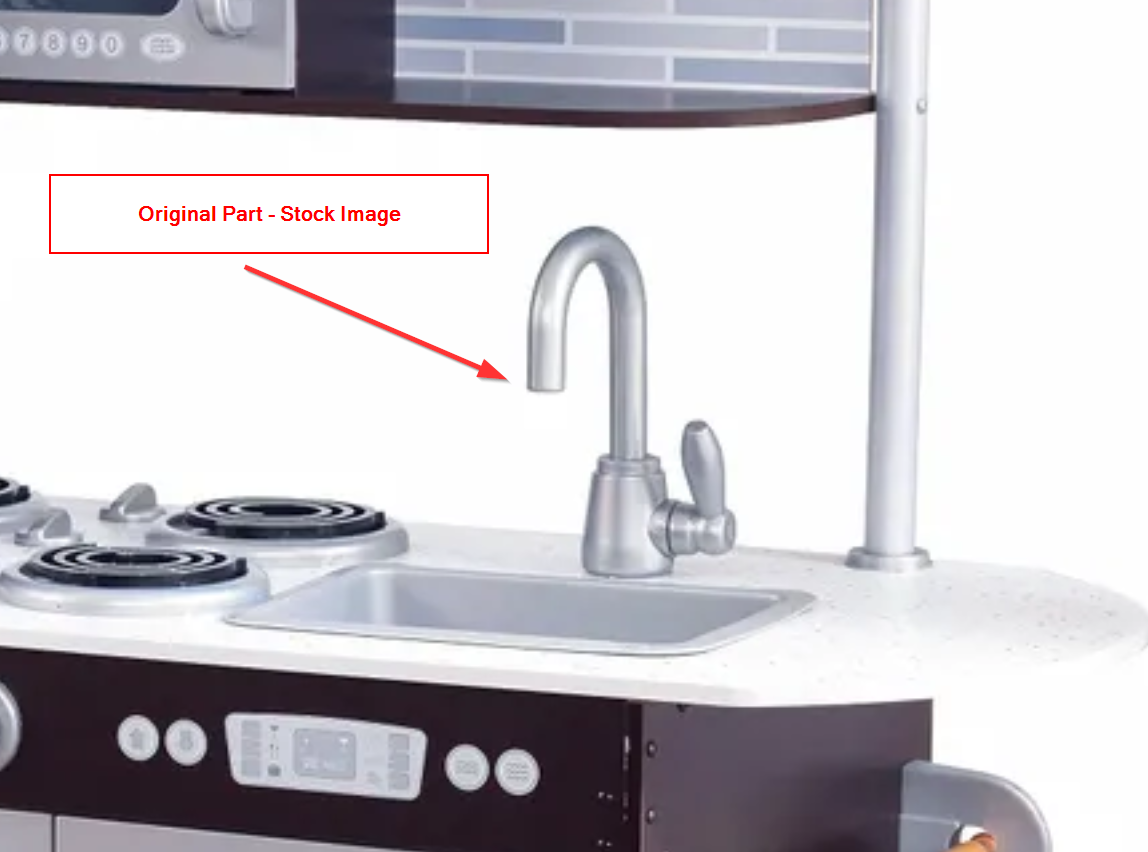
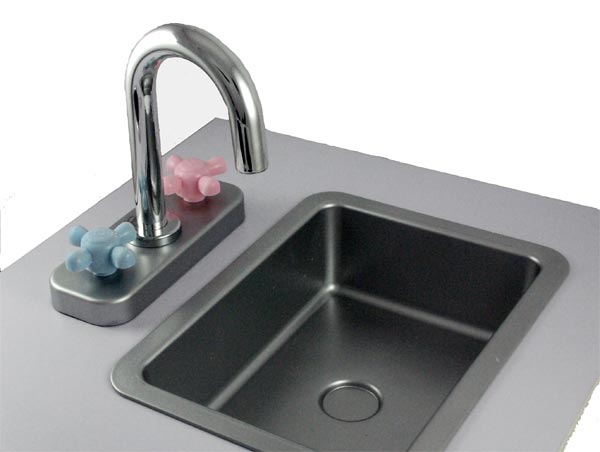
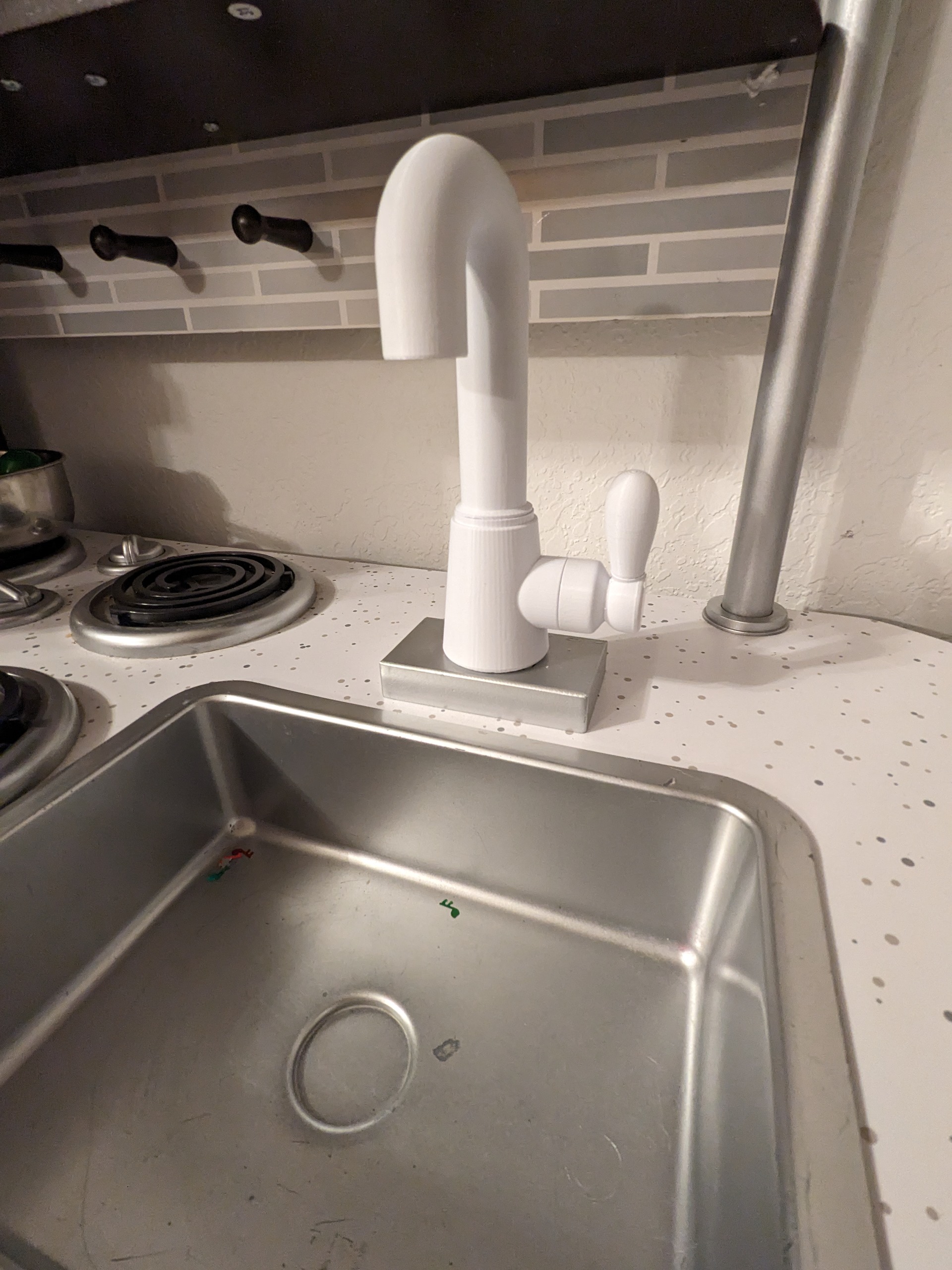
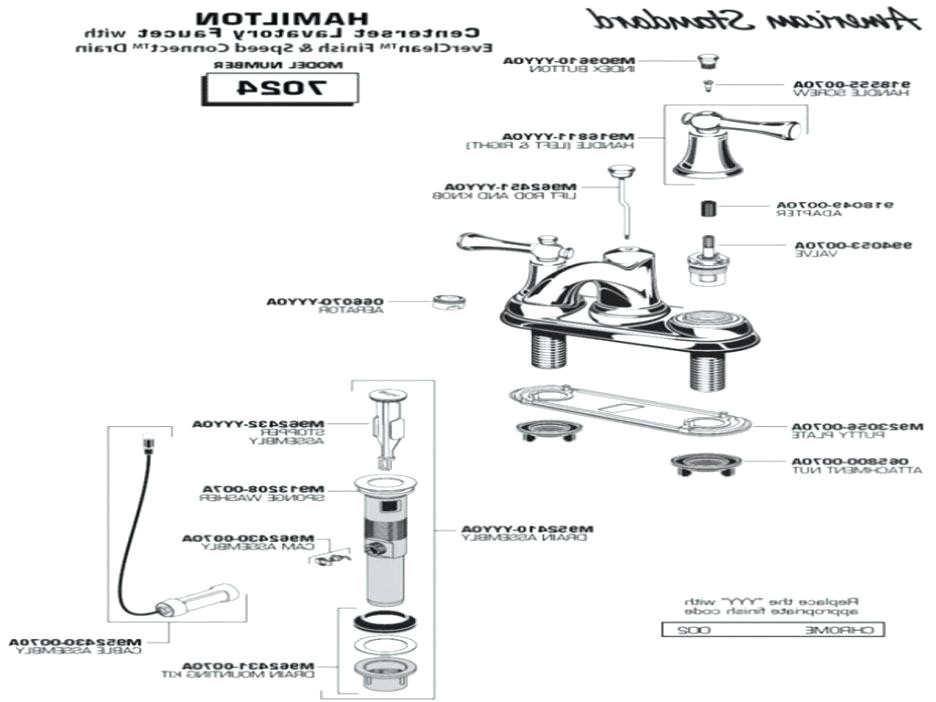
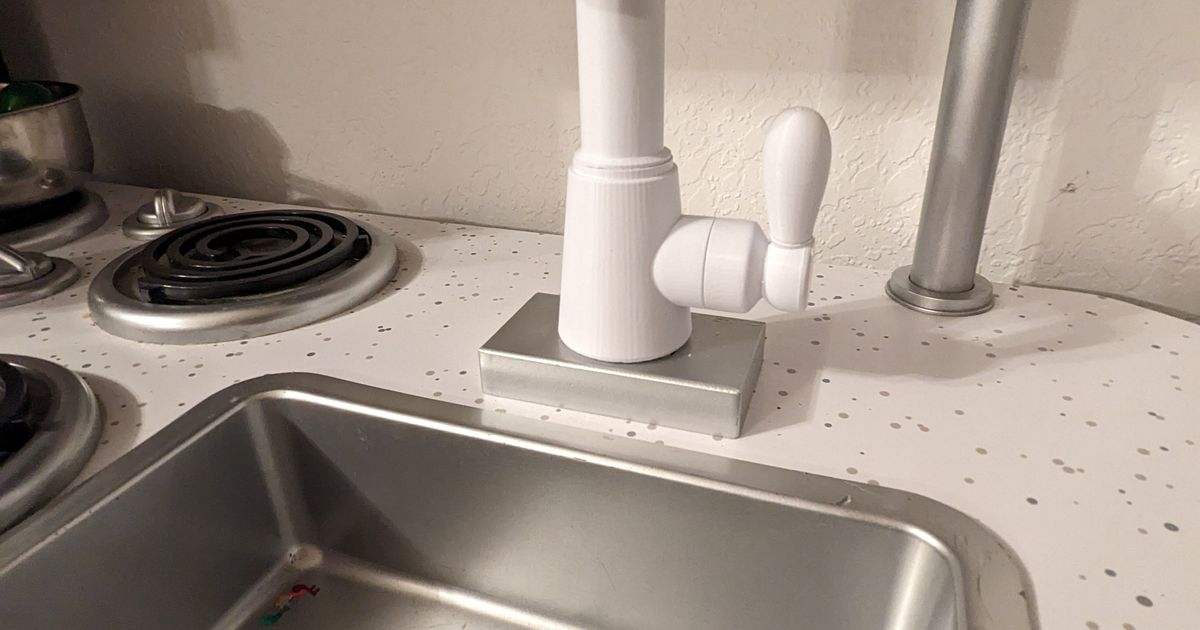
A KidKraft kitchen replacement sink is a basin made to restore the sink area of a KidKraft pretend-play kitchen. The basin may be a removable plastic insert that sits in a cutout in the countertop. Some play kitchens also have a faucet, handles, or other parts around the sink. These pieces may need separate replacements.
The word replacement matters here. A basin that looks right in a product photo may still be too wide, too deep, or the wrong shape for your kitchen. The rim might not rest on the counter, or the bowl might fall through the opening. Match the part to the kitchen rather than relying on the brand name alone.
Before spending money, decide which part needs attention. A missing bowl calls for a different fix than a loose faucet or a damaged countertop. If the sink is intact but hard to remove, check how it sits in the opening before assuming it needs replacement.
Source: storage.googleapis.com
Sink basin
The bowl where children pretend to wash cups, plates, and food.
Faucet
The part above the basin that may have its own model-specific mounting points.
Counter opening
The cutout that supports the basin and determines much of the required fit.
Does Every KidKraft Kitchen Use the Same Sink?
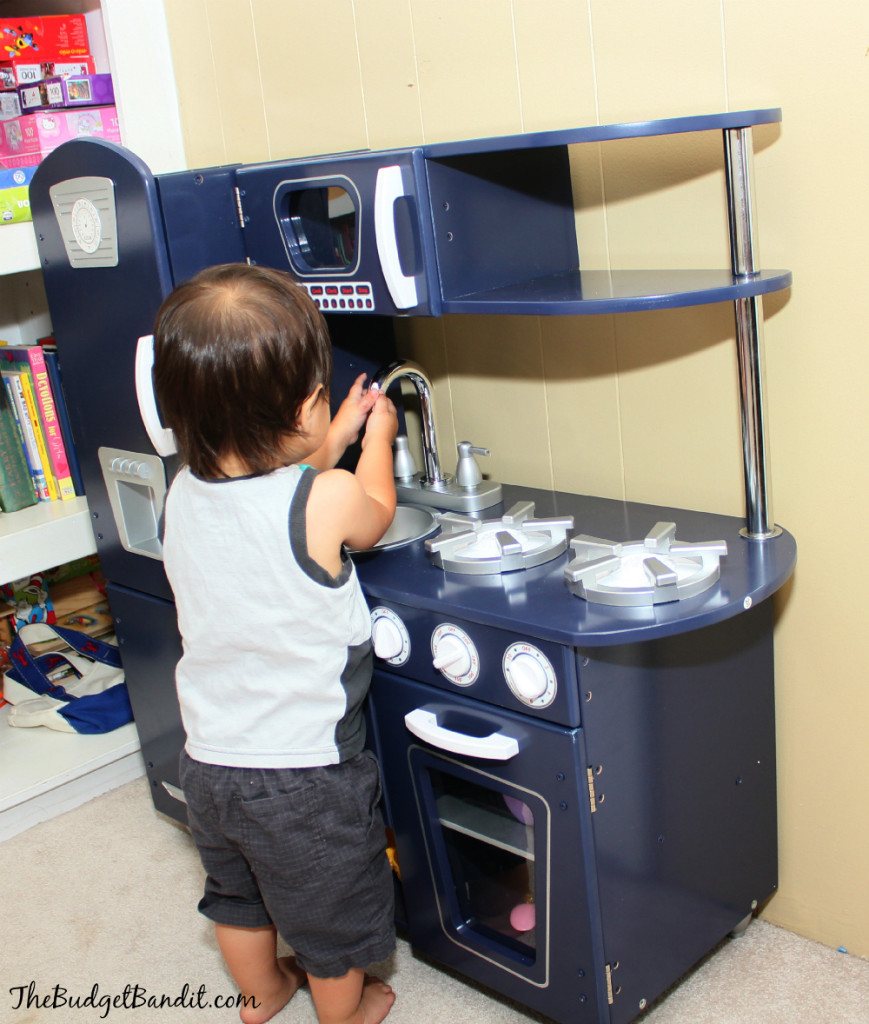
No. KidKraft has made many wooden play kitchens, and their parts can differ by model and design. A sink from one kitchen should not be assumed to fit another, even when both kitchens look similar. Product age, regional versions, and changes between model revisions can also affect compatibility.
Check the model
Look at the product label, original paperwork, assembly manual, or purchase record.
Compare the shape
Check the outline, corners, rim, depth, and any molded features.
How to Identify the Correct Replacement Sink
The safest way to choose a replacement is to identify the play kitchen first and compare the physical measurements second. A product title that says KidKraft sink does not prove that the part fits your kitchen. Use the model number and dimensions together whenever possible.
If you still have the original assembly manual, look for the parts list and diagrams. These may show the sink as a separate component and help you distinguish it from the faucet or other fittings. Keep the model number and any part number nearby when contacting customer support.
If the kitchen was bought secondhand, ask the previous owner for the original product name or a photo of the box. If that is not possible, take clear photos of the full kitchen, the empty sink opening, and the old basin. Include a ruler in close-up photos so the scale is easier to judge.
Source: manuals.plus
Find the model number
Check the label on the kitchen, original receipt, manual, packaging, or product records.
Take useful photos
Photograph the basin from above, from the side, and from underneath if it is safe to remove.
Record the part details
Write down any molded numbers, color names, dimensions, and visible mounting features.
What If the Model Number Is Missing?
You can still narrow down the right part. Search for the kitchen’s distinctive design, such as its color, cabinet layout, oven style, and countertop shape. Compare complete product images rather than matching a sink photo alone. Send the details to KidKraft support and ask whether they can identify the model or suggest a compatible part.
Do not guess from color
Two white or silver-looking basins may have different sizes and mounting designs.
Ask for confirmation
Request written confirmation of compatibility before paying for a hard-to-return part.
Where to Buy a KidKraft Kitchen Replacement Sink
Start with KidKraft’s official customer support and replacement-parts options. Ask whether the sink for your specific model is available as an individual part. Availability can vary, especially for older play kitchens, so a part shown in an old photo or manual may no longer be sold.
If the original part is unavailable, look at reputable toy replacement-part sellers and secondhand marketplaces. Search by the exact kitchen model as well as phrases such as replacement sink basin, play kitchen sink insert, and KidKraft sink bowl. Read the full listing and check its return policy before ordering.
A used part can be a sensible choice if it is intact and clean. Ask for current photos of the actual item, not only stock images. Check the rim, underside, and corners for cracks, bends, rough edges, and missing pieces. A low price is less useful if the basin cannot sit securely in the counter.
Source: discoveringhomemaking.com
Official manufacturer support
Best starting point for model identification, original part details, and confirmed compatibility.
Toy parts retailers
Useful when the manufacturer directs customers to an authorized or specialist parts seller.
Secondhand marketplaces
Potential sources for discontinued parts, provided the seller can verify the exact model and condition.
Questions to Ask Before You Buy
A short message to the seller can prevent a costly mismatch. Ask whether the basin came from the same kitchen model and whether the measurements refer to the outside rim or the bowl itself. Request photos of any molded identification marks and the underside of the part.
Compatibility
Which exact KidKraft model did this sink come from?
Measurements
What are the outside length, outside width, bowl depth, and rim dimensions?
Condition and returns
Are there cracks, repairs, missing pieces, or limits on returning the part?
How to Measure a Play Kitchen Sink
Measure the old basin and the counter opening before choosing a replacement. A sink needs to fit the opening while its rim rests securely on the counter. Measuring only the visible bowl can lead to the wrong size because the outside rim is often wider than the section that drops into the cutout.
Use a tape measure or ruler and record each measurement in inches or millimeters. Measure twice, especially if the basin has curved sides or rounded corners. If the original sink is missing, measure the counter opening at its widest points and check the thickness of the surrounding countertop.
Compare measurements with the seller’s specifications. Do not assume that a difference of a few millimeters will be harmless. A loose fit may let the bowl shift during play, while an oversized rim may sit unevenly or stop the sink from resting flat.
Source: printables.com
Outside length
Measure the longest outside edge of the basin or its rim.
Outside width
Measure from one outside side to the other, including the rim if it has one.
Bowl depth
Measure from the top edge to the lowest point inside the bowl.
Opening size
Measure the countertop cutout in both directions, including the corner shape.
How to Compare Two Possible Sinks
Use a simple comparison table when two listings look similar. Enter the measurements supplied by each seller and compare them with your kitchen. A listing with missing dimensions is harder to assess and may not be worth the risk unless the seller can provide more information.
Check the rim
The rim must cover and rest on the counter opening without rocking.
Check the bowl
The body must fit through the opening without force or damage to the counter.
Check the depth
Make sure the bowl does not hit a shelf, brace, or other part beneath the counter.
How to Install a Replacement Sink
Most removable play kitchen basins need little more than careful placement, but the exact method depends on the kitchen design. Check the assembly manual first. If the sink is held by clips, screws, or another fitting, follow the instructions for that model rather than forcing the basin into place.
Before you start, clear the play area and move toys away from the counter. Have the replacement basin, a soft cloth, and the correct hand tool ready if the manual calls for one. An adult should carry out the repair, especially if it involves small screws, sharp tools, or damaged wood.
Remove the old basin gently. Check the cutout for loose splinters, dirt, and broken fasteners. Wipe the area with a slightly damp cloth and let it dry. Do not pour water into the countertop or soak any wooden parts, since moisture may swell or weaken the wood.
Source: storage.googleapis.com
Step 1: Prepare the kitchen
Keep children away from tools and place the kitchen on a stable surface.
Step 2: Remove the old sink
Lift it out gently or release its fittings as directed by the manual.
Step 3: Inspect the opening
Look for loose wood, cracked edges, damaged supports, or loose screws.
Step 4: Fit the new basin
Lower it into place without force and check that the rim rests evenly.
Step 5: Check stability
Apply gentle hand pressure to check for rocking, shifting, or gaps before returning the toy to use.
What If the New Sink Does Not Fit?
Stop if the basin needs force, sits at an angle, or drops too far into the opening. Remove it and compare the measurements again. Check whether the seller listed the outside rim size or the bowl-body size, since those measurements serve different purposes.
Too wide
Check the actual rim and bowl dimensions. Return the part if it cannot fit without cutting the counter.
Too narrow
Do not rely on loose filler or a weak adhesive to hold the basin in place.
Too deep
Check the space beneath the counter for braces or shelves before trying another basin.
Can You Use a Generic Replacement Sink?
A generic plastic basin may work if its size, shape, and support match the original sink opening. However, there is no guarantee that a household bowl, toy sink, or basin made for another brand will fit a KidKraft kitchen. Compare the full dimensions and the way the basin rests on the counter before making a choice.
A generic replacement is most suitable when the sink is a simple removable insert and the new basin sits firmly without altering the kitchen. It is a poor choice if the part needs major cutting, leaves sharp gaps, blocks an underlying support, or relies on glue alone to stay in place.
Think about how a child will use the toy. Children may lean on the counter, pull at the basin, or use it while moving toy dishes around. The replacement must remain stable under normal pretend play. If you cannot achieve a secure fit, keep the sink area out of use until you find a suitable part.
Source: storage.googleapis.com
Potential benefit
A generic basin may help when the original part is no longer available.
Main drawback
Shape, rim size, depth, and mounting features may differ from the original.
Avoid cutting the countertop just to fit an unverified basin. Cutting can damage the finish, expose rough wood, weaken the area around the opening, or affect the kitchen’s structure. It may also make it impossible to return the part. Confirm the original dimensions first and look for a better-fitting basin before considering any modification.
Avoid rough edges
Exposed or splintered wood can create a risk of cuts and may worsen with use.
Protect the structure
Do not remove supports or cut into load-bearing sections of the play kitchen.
How to Fix Common Sink Problems
Not every sink problem calls for a new basin. First identify whether the issue is a loose fit, a crack, a damaged counter, or a missing faucet. A simple cleaning or correct refitting may solve the problem, while a structural crack or unstable opening may require a replacement or repair of the kitchen itself.
Inspect the sink in good light. Run a finger around the rim only when you have confirmed that no sharp or broken edge is present. Check underneath for cracks that may not show from above. If the basin has broken into pieces or has a sharp split, remove it from play instead of trying to make it usable with tape.
Source: storage.googleapis.com
Loose basin
Check that the sink is the correct model and seated evenly. Inspect its supports and fittings.
Replace the basin if the crack creates sharp edges, weakens the rim, or allows the part to flex.
Missing sink
Measure the opening and identify the model before searching for a replacement.
Loose faucet
Check the faucet’s separate mounting method and look for a model-specific replacement if needed.
Damaged countertop
Stop using the sink area if the surrounding wood is split, soft, or unable to support the basin.
Is Gluing a Cracked Sink a Good Idea?
Glue is not always a safe or lasting fix for a toy sink. The right adhesive depends on the plastic type, and some products may not bond well or may leave brittle edges. A repair can also create small pieces if it fails. Follow the adhesive manufacturer’s instructions and keep children away during repair and curing. For a basin used by young children, replacement is often the more practical choice when a crack affects strength or creates an edge.
Do not use wet repairs too soon
Any permitted repair must fully cure according to its product instructions before the item is handled.
Reject unsafe repairs
Do not return a basin to play if it remains sharp, loose, brittle, or easy to pull apart.
Child Safety and Sink Maintenance
A play kitchen sink should remain stable, clean, and free from sharp edges. Before each use, check for loose parts and visible damage. Small screws, broken plastic pieces, and loose faucet parts can pose risks to young children, especially those who still put toys in their mouths.
Follow the care instructions supplied with the kitchen. For routine cleaning, use a soft cloth and a mild cleaning solution that is suitable for the materials. Wipe away residue and let the parts dry before children play with them. Avoid soaking wooden counters or using harsh chemicals that may damage painted surfaces.
Do not treat a pretend-play sink as a real water fixture. Unless the specific product is designed for water use, keep it dry and do not connect it to plumbing. Even when children use water during supervised play, check the manufacturer’s instructions first and protect the wood from moisture.
Source: storage.googleapis.com
Inspect the basin
Look for cracks, loose rims, rough spots, and signs that the sink may fall through the counter.
Check nearby parts
Make sure the faucet, knobs, and fasteners are secure and suitable for the child’s age.
Keep the area dry
Wipe spills promptly and do not allow water to sit on wood or painted surfaces.
Use suitable cleaners
Follow the toy’s care guidance and keep cleaning products out of children’s reach.
When Should You Stop Using the Kitchen?
Stop using the sink area if the basin has sharp cracks, the counter is splitting, a fitting is loose and cannot be secured, or the sink shifts under gentle pressure. Keep children away from the damaged area while you arrange a repair. If the kitchen’s frame or mounting points are damaged, inspect the whole unit rather than focusing only on the basin.
Remove broken parts
Store cracked plastic and loose hardware where children cannot reach them.
Check the full unit
Look for damage to the countertop, side panels, and support pieces.
Frequently Asked Questions
Q
Where can I get an original KidKraft kitchen replacement sink?
Start with KidKraft’s official customer support and ask about replacement parts for your exact kitchen model. Have the model number, photos, and measurements ready. If the part is discontinued or unavailable, check reputable toy parts sellers and secondhand listings that provide clear measurements and return terms.
Q
How do I know which sink fits my KidKraft play kitchen?
Identify the kitchen model and compare the replacement’s outside length, width, rim shape, depth, and mounting method. Measure the counter opening as well. A similar color or product photo is not enough to confirm compatibility.
Q
Can I replace only the sink without buying a new kitchen?
Yes, if the surrounding countertop and supports are in good condition and a suitable basin is available. A removable insert can often be replaced on its own. If the wood around the opening is badly damaged, the kitchen may need a wider repair.
Q
Can a generic plastic bowl replace the original sink?
Possibly, but only if it fits the opening securely, rests flat on the counter, and does not create sharp gaps or unstable edges. Avoid forcing it into place or relying on glue alone to support it. If the fit is uncertain, keep looking for a compatible part.
Q
Can I use real water in a KidKraft play kitchen sink?
Check the instructions for your specific model before using water. Many wooden play kitchens are intended for pretend play, and moisture can damage wood, paint, and fittings. Never connect a toy sink to household plumbing unless the manufacturer expressly designed that model for such use.
Q
What should I do if my KidKraft sink is cracked?
Remove the cracked basin from play if it has sharp edges, loose pieces, or reduced strength. Identify the model and look for a matching replacement. Avoid returning a repaired basin to use unless the repair is appropriate for the material and leaves the part strong, smooth, and secure.
✦ Wrapping Up
Conclusion
Finding a KidKraft kitchen replacement sink is easier when you start with the model number and accurate measurements. Check the original manual, contact KidKraft support, and compare the sink’s rim, depth, and shape before buying. These checks can help you avoid a part that looks right but does not fit.
If the original basin is no longer available, a generic or secondhand replacement may be an option. Choose one that sits firmly without risky changes to the kitchen. Inspect the counter and surrounding parts, too. A secure fit and smooth edges matter more than matching the color perfectly.
💡 Key Takeaway
Before placing an order, take three photos of the kitchen and sink opening, record the model number if available, and measure the opening in both directions. Send these details to the seller and request confirmation that the replacement fits your exact model.