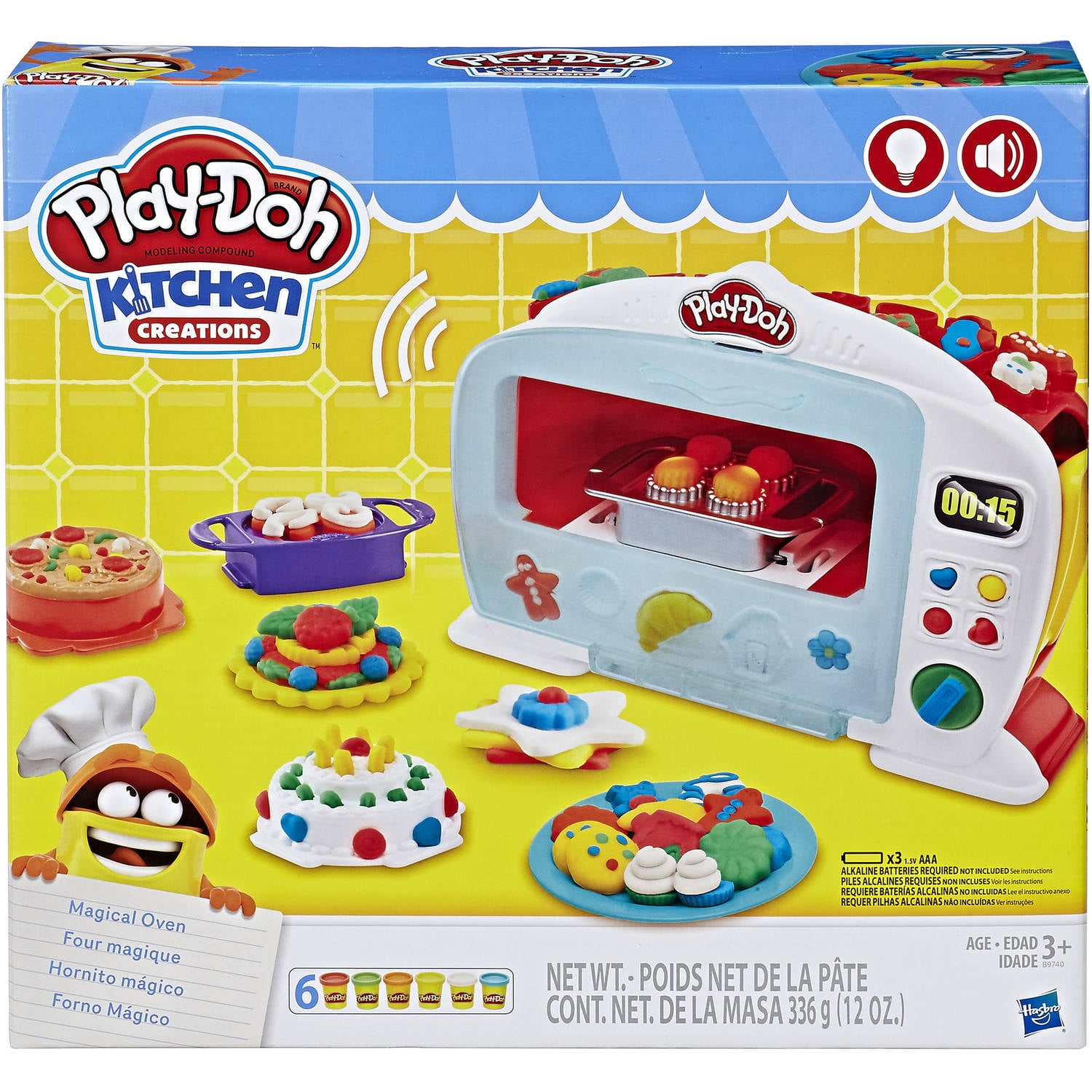
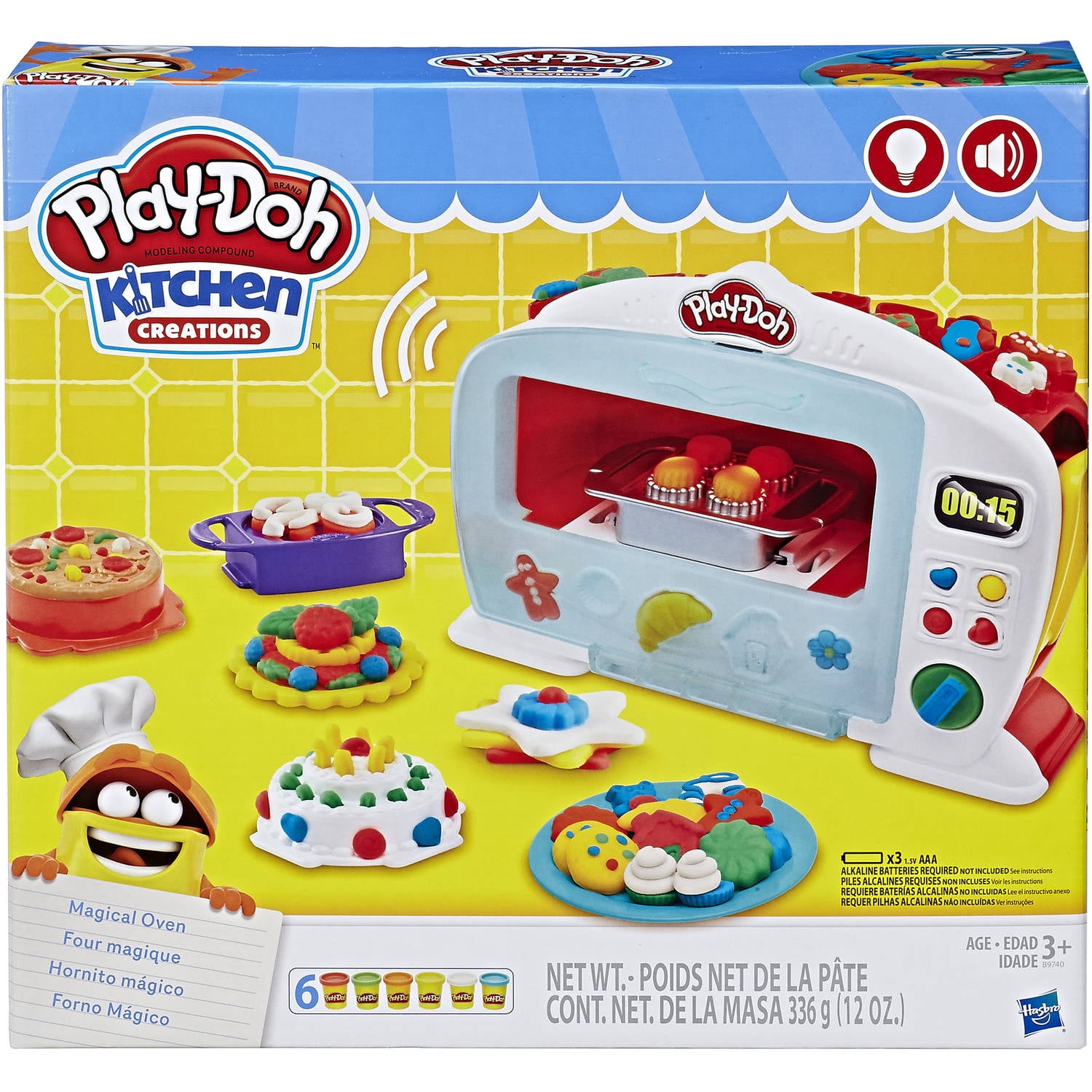
The Play-Doh Kitchen Creations Magical Oven is a pretend cooking playset that lets children shape colorful modeling compound into make-believe baked treats. It uses toy kitchen tools and a pretend oven experience to support creative play without cooking real food.
In homes across the United States, pretend kitchens are a fun way for young children to copy everyday tasks. Kids can act like a baker, make a pretend birthday cake, or serve colorful treats to family members. The Play-Doh Kitchen Creations Magical Oven brings those ideas to a child-sized play space. Instead of using real dough or a hot oven, children use Play-Doh compound and plastic toy parts to create pretend food.
This guide explains what the Play-Doh Kitchen Creations Magical Oven does, how to set it up, and what parents should check before buying or using one. It also covers creative play ideas, cleaning, storage, and common problems. Exact parts, colors, and features can vary by package or product version, so check the box and its instructions before you begin. This is a product guide based on the playset’s intended use, not a report of hands-on testing.
Source: Amazon.ca
What Is the Play-Doh Kitchen Creations Magical Oven?
The Play-Doh Kitchen Creations Magical Oven is a toy baking set made for pretend food play. Children use modeling compound with toy kitchen parts to shape treats and act out the steps of baking. The main idea is simple: create a pretend dish, place it in the toy oven area as directed, and serve the finished creation during play.
Unlike a real kitchen appliance, this toy does not bake food or make edible treats. The Play-Doh compound stays a craft material, even when it looks like cake, cookies, or other snacks. Children should never eat the compound or use it to prepare real meals.
The name can also cause confusion when shoppers compare listings. Older toy sets, updated packaging, and used products may not have the same parts. Check the product photos, box contents, and model details before assuming that every listing describes an identical set.
Source: homestudioreview.com
Main purpose
Encourages pretend baking, hand movements, color play, and make-believe kitchen routines.
How it works
Children shape modeling compound with the included toy parts and use the pretend oven according to the instructions.
What it cannot do
It cannot bake edible food, replace a real oven, or serve as a real cooking appliance.
Who May Enjoy This Playset?
Children who like pretend kitchens, craft projects, and colorful toys may enjoy this set. It gives them a way to copy familiar activities, such as making a birthday cake or running a pretend bakery. Parents can join in by asking what is on the menu or letting the child invent a new dessert.
The best age range depends on the exact package. Follow the manufacturer’s age label and warnings rather than relying on the product name alone. Children who still mouth toys need special care around small parts and modeling compound.
Creative children
The set gives them a way to make new shapes and invent pretend recipes.
Family play
Parents, siblings, or caregivers can join the game as customers, bakers, or restaurant guests.
What Comes in the Box?
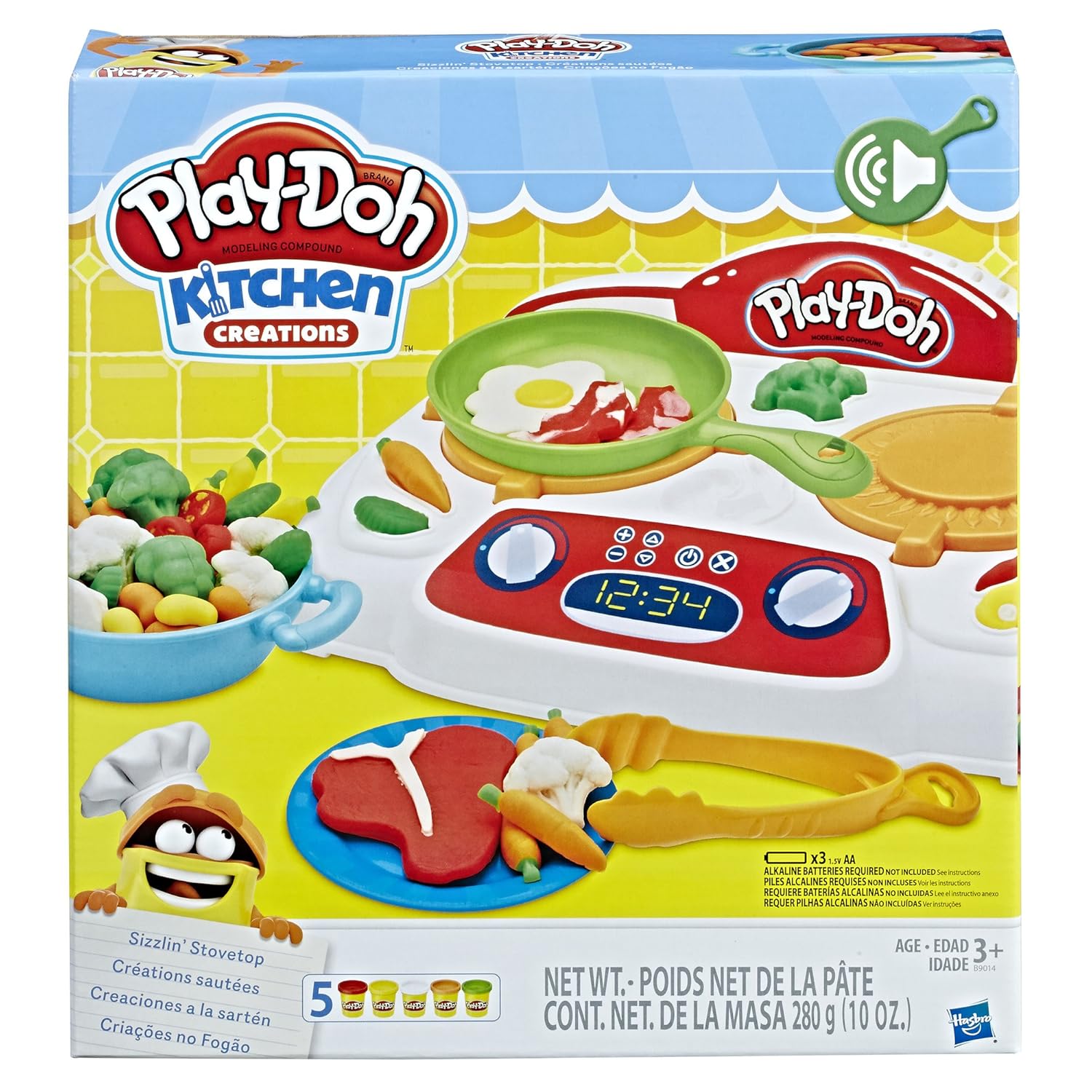
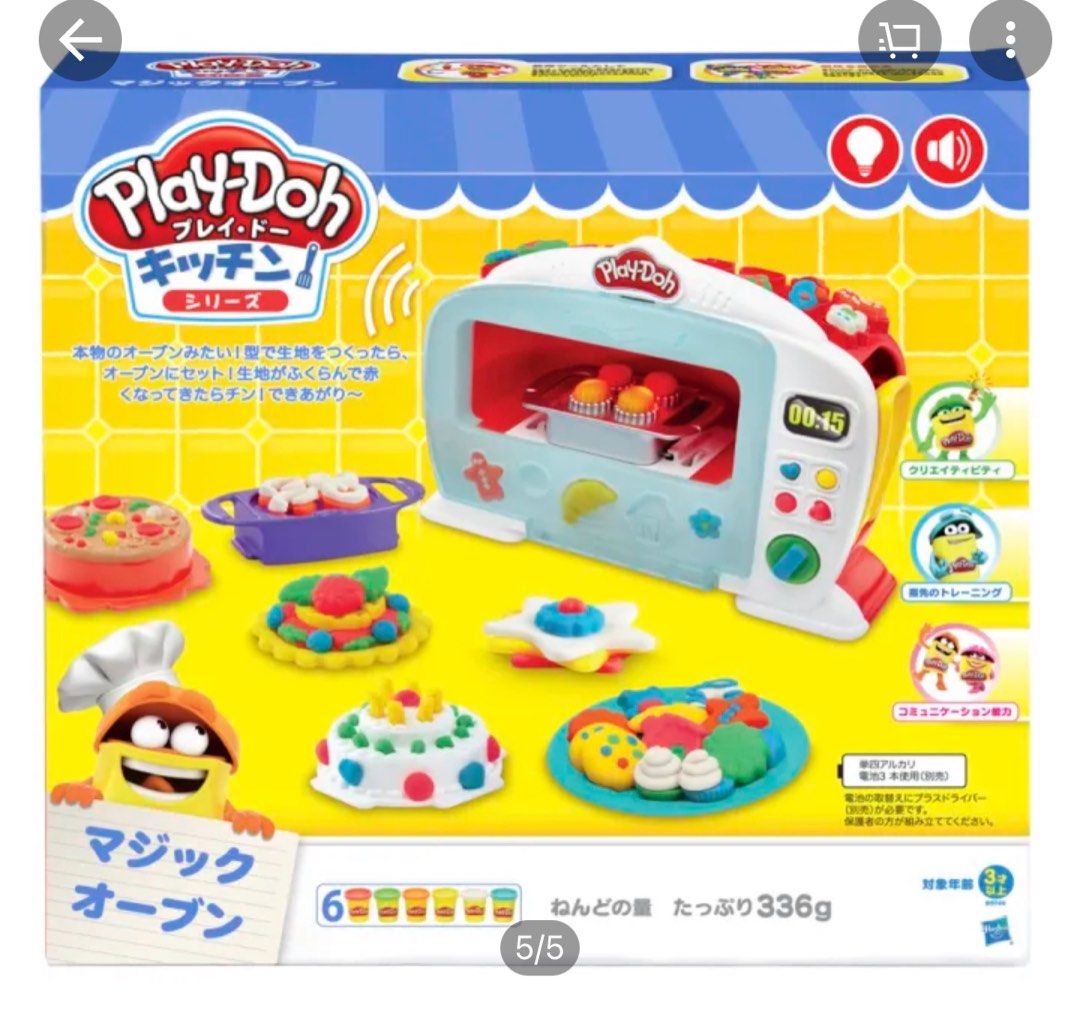
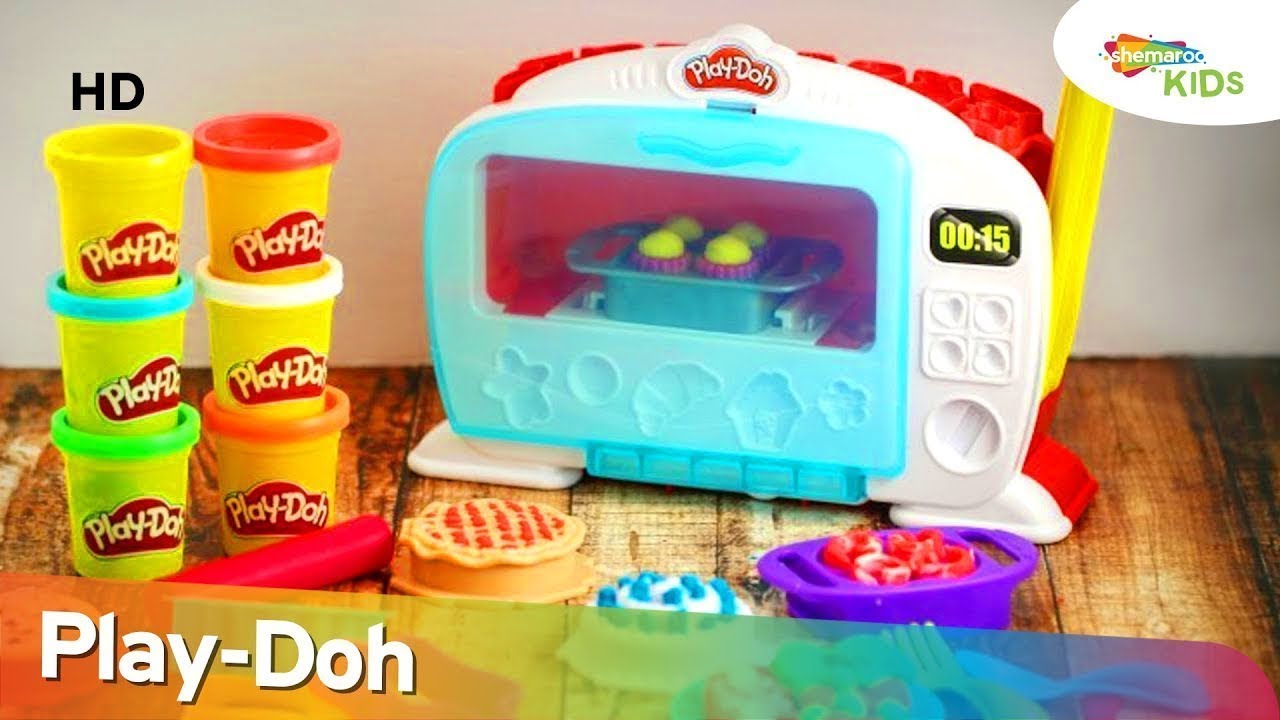
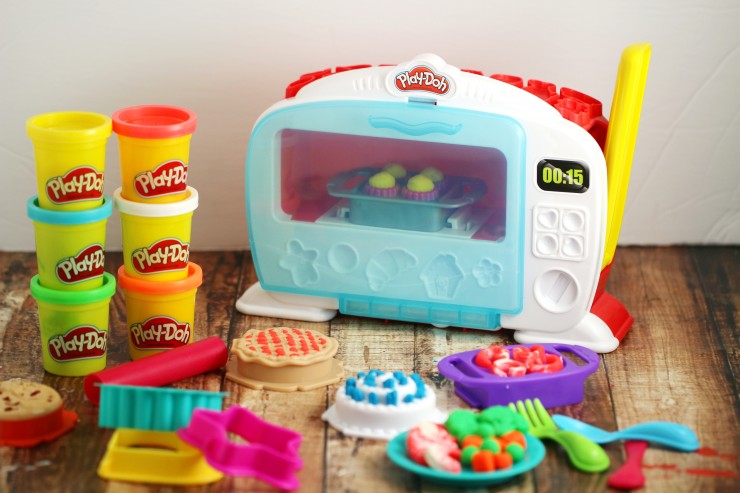
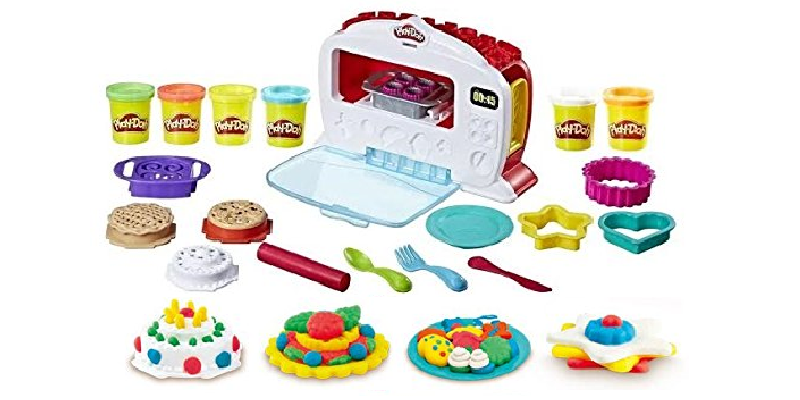
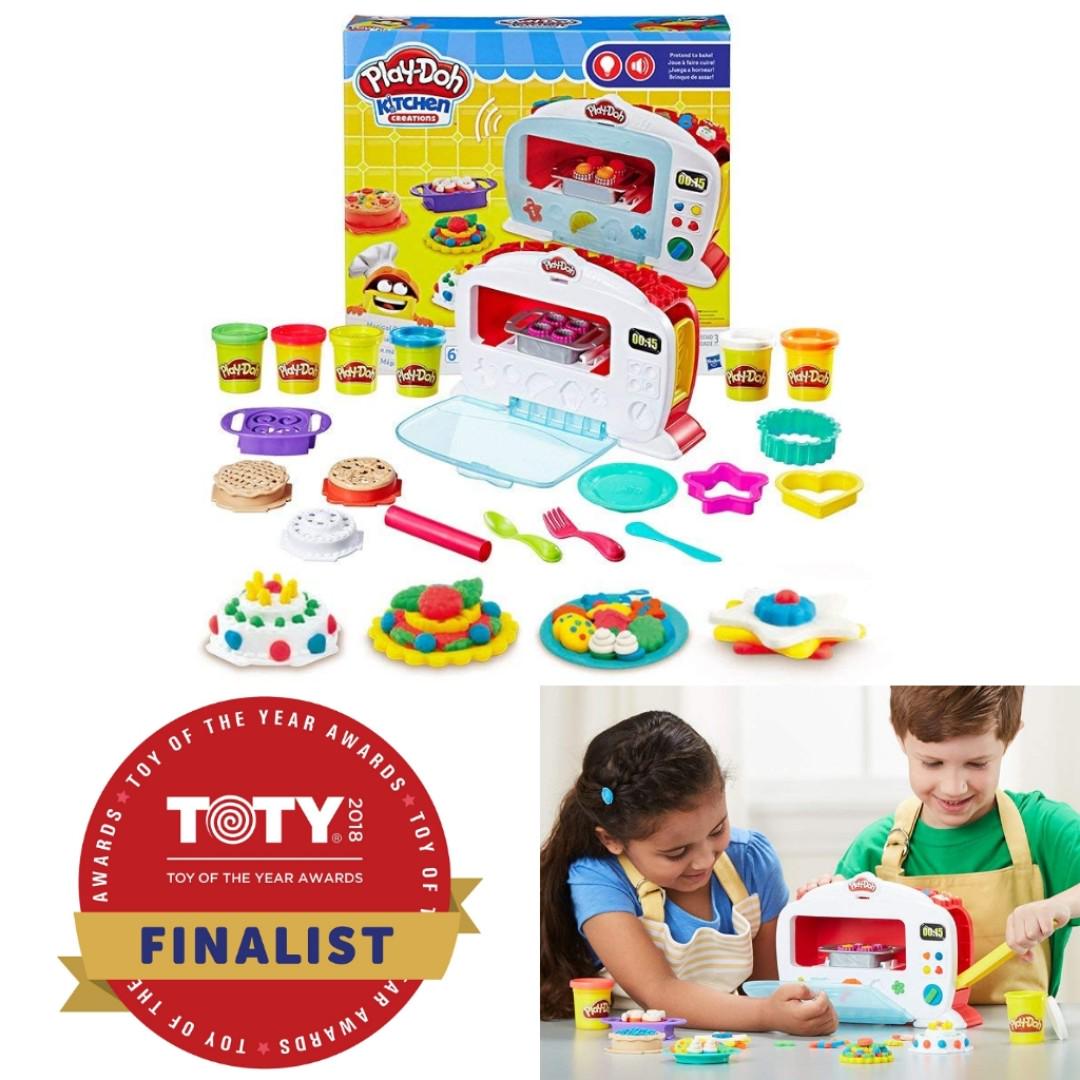
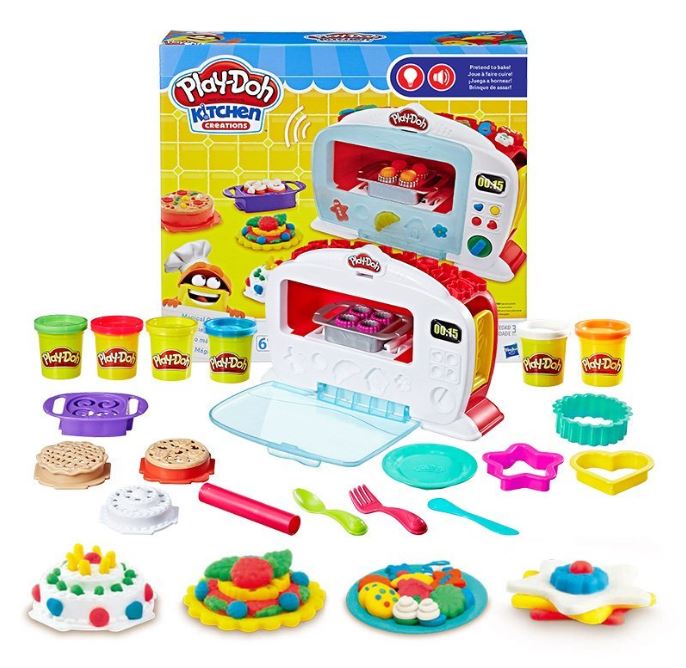
The contents depend on the exact version and whether the set is new or secondhand. A Magical Oven listing may show the oven playset, Play-Doh cans, molds, and tools, but a photo does not prove that every pictured item comes with the package. Sellers may also use stock images that show a complete set even when a used box is missing parts.
Before opening a new set, compare the contents listed on the package with the items inside. For a secondhand purchase, ask the seller to photograph the actual parts laid out on a table. This simple check can prevent disappointment when a child is ready to play and a key accessory is missing.
Source: carousell.sg
Oven playset
The main toy structure used for the pretend baking activity.
Modeling compound
Cans of colored Play-Doh may be included, but the number and colors should be checked on the specific package.
Molds and shaping tools
Toy parts help children form pretend treats. The exact selection varies by set.
Instructions
Use the guide to learn how parts fit together and how to operate any moving features.
How to Check a Used Set Before Buying
Used toy listings can offer a lower-cost way to find an older Play-Doh set, but condition matters. Ask whether the oven moves as intended, whether the tools are included, and whether the plastic has cracks or sharp edges. Dried compound stuck in molds can also make the toy harder to use.
Check the cost of any replacement parts before buying a set with missing pieces. Some parts from other Play-Doh sets may look similar but may not fit. Do not assume a replacement tool will work unless its shape and fit have been confirmed.
Ask for real photos
Request clear pictures of the actual toy, tools, and any included compound.
Check the condition
Look for cracks, damaged hinges, missing pieces, and dried material in moving areas.
Confirm the model
Compare the package name and parts with the seller’s description.
How to Set Up the Magical Oven
Start with a clean, flat surface where the toy can sit without wobbling. A washable table or a craft mat works well because small bits of modeling compound can fall during play. Keep drinks, snacks, and real cooking tools away from the play area.
An adult should inspect the pieces and read the instructions before the first session. This is especially useful for a used set or one that has been stored for a long time. Check for loose parts, damaged plastic, and dried compound that could block a moving feature.
Source: www.youtube.com, Shemaroo Kids
Step 1: Lay out the parts
Place the oven, tools, molds, and compound on the table. Compare them with the package list.
Step 2: Prepare the compound
Open only the colors you plan to use. Knead a small piece with clean hands until it is easier to shape.
Step 3: Learn each tool
Show the child how each mold or shaping part works. Avoid forcing pieces that do not move freely.
Step 4: Try a simple creation
Begin with one small pretend cake, cookie, or other shape that suits the included tools.
Step 5: Clean and store
Collect loose compound, wipe the toy as allowed by its instructions, and seal the remaining compound.
What If a Part Will Not Move?
Stop if a handle, door, press, or other moving part feels stuck. Check the instructions to see whether the part needs to be placed in a certain position first. Remove loose compound from accessible areas only when the toy is not being operated.
Do not use a knife, screwdriver, hot water, or strong force to free a stuck part. Those methods can damage plastic or create a safety risk. If the part remains stuck, contact the manufacturer or seller for model-specific advice.
Check alignment
Make sure removable parts sit in their intended positions.
Look for compound buildup
Check accessible grooves and molds for dried bits that may interfere with movement.
Stop if damaged
Do not let children use cracked parts or mechanisms that pinch or catch fingers.
How to Make Pretend Food With the Playset
The fun comes from shaping, changing, and serving pretend food. Children can start with the shapes suggested by the instructions, then invent their own menu. There is no need to make each item look real. A bright purple cupcake or a green cookie can be part of the game.
Use small amounts of compound at first. Large pieces can be harder to press into molds and may leave more residue on the toy. If a shape does not come out cleanly, remove it gently and try a smaller piece rather than forcing the tool.
Source: Frugal Mom Eh!
Make a pretend birthday cake
Shape a base, add small decorations, and let the child choose a name for the cake.
Create a cookie shop
Make several small shapes, give each one a name, and arrange them on a clean toy plate.
Invent a bakery menu
Let the child choose a pretend price for each item and take turns playing baker and customer.
Try color mixing
Combine tiny pieces of compound when allowed by the instructions. Keep favorite colors separate if the child wants to use them again.
A Simple Pretend Bakery Game
Set up a pretend bakery with three jobs: baker, server, and customer. The baker makes the food, the server arranges it, and the customer places an order. Switch roles after a few turns so everyone gets a chance to shape the compound and tell a story.
You can add paper menus, toy plates, and a small basket for orders. Use pretend money made from paper if the child enjoys counting. Keep paper and other loose items away from any moving parts in the oven toy.
Build language skills
Ask the child to describe the shape, color, and name of each pretend treat.
Practice simple math
Count the treats or add up pretend prices during the game.
Encourage choice
Let the child decide the menu, colors, and story instead of correcting every unusual idea.
Skills Children Can Practice During Play
Pretend baking can give children a playful way to practice hand control, language, and simple planning. Pressing compound into a mold uses small hand movements, while choosing colors and naming treats gives them chances to express ideas. These are possible learning opportunities, not a guarantee that one toy will produce a specific developmental result.
Shared play can also support turn-taking. One child might make the treats while another arranges them for sale. Adults can join without taking over by asking open questions and giving the child time to answer.
Source: Toy Time Treasures
Fine motor practice
Rolling, pinching, pressing, and removing compound can help children practice controlled hand movements.
Creative thinking
Children can invent new food shapes, recipes, and stories using the same basic tools.
Language practice
Talking about ingredients, colors, and orders creates natural chances to learn and use new words.
Social play
Sharing tools and switching roles can help children practice patience and cooperation.
How Adults Can Join Without Taking Over
Follow the child’s lead instead of showing the one correct way to make every item. Ask questions such as, What are you baking today? or Who ordered this treat? These prompts invite the child to explain the game in their own words.
Offer help when a tool is hard to use, but leave room for trial and error. If the pretend cake falls apart, ask what might help it hold its shape. The goal is an enjoyable play session, not a display of perfect toy food.
Ask open questions
Use questions that invite a story rather than a yes-or-no reply.
Give time to explore
Let the child test colors and shapes at a pace that feels comfortable.
Praise effort
Notice the child’s ideas and care with the tools instead of judging every result.
Cleaning and Storing the Playset
Cleaning after play helps keep the toy ready for the next session. Modeling compound can dry in molds, settle into grooves, or stick to nearby fabric. Pick up loose pieces before wiping the table so they do not get pressed into the surface.
Follow the manufacturer’s care directions for the exact set. Unless the instructions say otherwise, do not soak the oven or place it in a dishwasher. Water can collect in small spaces, and heat or harsh cleaners may damage the plastic.
Source: carousell.sg
Remove leftover compound
Use your fingers or a soft, dry tool to lift loose material from accessible areas.
Wipe the toy
Use a soft cloth as allowed by the care instructions. Avoid harsh chemicals and abrasive pads.
Seal open cans
Close each container tightly to help the compound stay soft. Keep colors apart if you want them to remain distinct.
Store small parts together
Use a lidded container or the original box, keeping small accessories out of reach of younger children.
What to Do When Play-Doh Dries Out
Play-Doh compound can become firm when left exposed to air. If a piece feels dry, check the care guidance on the package before trying to soften it. Do not add random household products, oils, or cleaning liquids to the compound.
Very dry material may crumble or fail to hold a shape. If it cannot be restored using the manufacturer’s recommended method, replace it with suitable fresh compound. Keep any replacement material away from the oven’s moving parts until you are ready to play.
Prevent drying
Close cans after each session and do not leave compound on the table overnight.
Avoid force
Do not force dry pieces into small molds or toy openings.
Keep colors clean
Store each color separately when possible to prevent unwanted color mixing.
Safety Tips for Parents and Caregivers
Adult supervision matters, especially when young children use modeling compound and small toy parts. Follow the age label and warnings on the exact package. Children who may swallow compound or small accessories should not use the set without an adult who can supervise closely, and a different activity may be more suitable if mouthing objects remains a concern.
Play-Doh compound is intended for play, not eating. Keep it away from the mouth, eyes, pets, and real food. Wash hands after play, particularly before a child eats, and follow the package directions if the compound gets into the eyes or is swallowed.
The Magical Oven is a pretend appliance. Never place real food inside it, connect it to electricity, heat it, or use it near a real stove. Keep the toy away from hot surfaces and never use a damaged part that could create a sharp edge or pinch point.
Source: couponcuttingmom.com
Check age guidance
Use the manufacturer’s age recommendation and warnings for the exact version.
Prevent swallowing
Keep compound and small accessories out of the mouths of children and away from pets.
Keep play separate from meals
Use a dedicated play surface and never serve pretend food as something edible.
Inspect before use
Remove broken, cracked, or damaged parts from play.
What If a Child Swallows Play-Doh?
Remove any remaining compound from the child’s mouth and check the product label for ingredients and instructions. Do not make the child vomit. If the child is choking, having trouble breathing, or showing severe symptoms, call 911 in the United States immediately.
For a possible ingestion without severe symptoms, contact Poison Control in the United States at 1-800-222-1222 for case-specific advice. Keep the product container nearby so you can describe what was swallowed. If a child swallows a toy part, seek medical advice because the risks depend on the part’s size, shape, and material.
Act on urgent symptoms
Call 911 for choking, breathing trouble, or another medical emergency.
Keep the package
The ingredient list and product details can help a poison specialist assess the situation.
Is the Magical Oven Worth Buying?
Whether this playset is worth buying depends on the child’s interests, the condition of the set, and the price. A child who enjoys pretend cooking and hands-on crafts may get plenty of use from it. A child who prefers cars, building toys, or outdoor games may not use it as often.
The best comparison is not just the sticker price. Check what comes in the box, how easy the toy is to clean, whether replacement compound is needed, and whether the set fits the child’s age and play habits. For an older model, condition and completeness may matter more than packaging that looks new.
Prices and stock can change across US retailers and resale sites. No current price or availability has been verified for this guide, so compare live listings before buying. Be careful with unusually low offers that lack clear product photos or details about missing pieces.
Source: Kmart
Reasons to consider it
It combines pretend cooking with hands-on shaping and can support solo or shared play.
Reasons to pause
The set may be less useful for children who do not enjoy modeling compound or who are too young to use the parts safely.
Check ongoing needs
Consider the cost of replacement compound and the time needed to clean and store the toy.
Compare condition
For secondhand sets, check the moving parts, included tools, and signs of wear before paying.
What to Compare Before You Buy
Compare listings using the same basic details. A complete used set may offer better value than a cheaper box with missing tools, while a new set may be preferable if hygiene and condition are your main concerns. Check the seller’s return policy and the actual package contents.
If the exact Magical Oven set is unavailable, a different pretend kitchen toy or a basic modeling compound kit may meet the same play goal. Compare the activity, included parts, and age guidance rather than choosing a substitute by name alone.
Completeness
Confirm the oven, molds, tools, and any advertised compound are included.
Condition
Look for clean, intact parts and a mechanism that works as the instructions describe.
Storage
Consider whether you have a safe place to keep compound and accessories between sessions.
Return options
Check the seller’s rules in case the toy arrives damaged or differs from the listing.
Common Problems and Simple Fixes
Most play problems come from compound that is too dry, tools that are packed too tightly, or parts that are not placed as intended. Start with the simplest check and avoid forcing any part. If a problem appears to involve a broken mechanism, stop using that feature until you can get model-specific guidance.
A clean setup also makes play easier. Use a small amount of compound, keep colors in separate piles, and return tools to the same place after each use. These habits reduce mess and make it easier to see when a part is missing.
Source: Walmart
The shape will not release
Try a smaller piece of compound and follow the mold instructions. Remove the material gently instead of pulling hard on the tool.
The compound crumbles
Check whether it has dried out. Use only a manufacturer-approved care method or replace the material.
Colors look muddy
Separate the colors before play and clean tools between colors when you want to keep them distinct.
A tool is missing
Compare the contents with the original package list and ask the seller or manufacturer about compatible replacements.
The toy is hard to clean
Remove loose compound promptly and use only the cleaning method allowed by the instructions.
When Should You Stop Using the Toy?
Stop using the affected part if you see cracks, sharp edges, a loose piece that could be swallowed, or a mechanism that catches fingers. Do not try to repair a damaged toy with glue or improvised parts where a child can reach them. Contact the manufacturer or seller to ask whether a proper replacement is available.
If the set is an older model, look for the exact product name and model details when checking for safety notices. A similar-looking toy may have different parts, so do not assume that a notice for another set applies or that it does not apply.
Remove damaged parts
Keep broken or unsafe components away from children until the issue is resolved.
Verify the model
Use the package, product label, or manufacturer’s product records to identify the exact set.
Frequently Asked Questions
Q
Does the Play-Doh Kitchen Creations Magical Oven really get hot?
No. It is a pretend cooking toy, not a real oven. Do not plug it in, heat it, or place real food inside. Follow the instructions for the exact set to learn how its toy features work.
Q
How many cans of Play-Doh come with the set?
The number and colors depend on the exact version and package. Some listings show a set with six cans, but that detail should not be assumed for every listing. Check the box contents or ask the seller to confirm what is included.
Q
Can I use other Play-Doh colors with the Magical Oven?
You can generally use suitable Play-Doh modeling compound for pretend food shapes, but the exact tools may work best with amounts and types recommended in the instructions. Avoid using real dough, food, glue, or other materials that could leave residue or damage the toy.
Q
How do I clean the Play-Doh Magical Oven?
Remove loose compound and wipe the toy using the care method allowed by the manufacturer. Do not soak it, use a dishwasher, or apply harsh cleaners unless the instructions explicitly permit that method. Seal open compound cans after play.
Q
Is the Play-Doh Kitchen Creations Magical Oven suitable for toddlers?
Suitability depends on the exact product’s age label and the child’s behavior. Follow the package warnings and supervise play. If a child still puts small objects in their mouth, the set’s accessories and compound may create a risk, so choose an activity that fits the child’s current abilities.
Q
Can I buy replacement parts for the Magical Oven?
Replacement availability depends on the model and the part. Identify the exact set, then contact the manufacturer or check the retailer’s support options. A used complete set may be easier to find than a single replacement mold, but verify the condition and included pieces before buying.
Q
What can children make with the Magical Oven?
Children can make pretend cakes, cookies, pastries, and other food shapes that fit the available tools. They can also invent their own designs, create a pretend menu, and take turns running a bakery. The toy food is for play and should never be eaten.
✦ Wrapping Up
Conclusion
The Play-Doh Kitchen Creations Magical Oven gives children a playful way to explore pretend baking with colorful modeling compound and toy kitchen parts. It can support creative stories, hand practice, and shared games at home. Its value depends on the child’s interests, the condition of the set, and the parts included in the exact package.
Before buying, check the age label, box contents, condition, and current seller details. Before play, set up a clean surface, read the instructions, and show children how to use the tools without forcing any moving parts. Afterward, remove leftover compound, wipe the toy as directed, and store small accessories safely.
💡 Key Takeaway
Check the exact Play-Doh Kitchen Creations Magical Oven package or listing, confirm all included parts, and prepare a clean supervised play area before the first pretend baking session.