KitchenAid tea coffee sugar canisters are worth considering if you want a tidy coffee station with easy access to your daily drinks. Before buying a set, check the exact model, lid seal, capacity, material, cleaning needs, and whether all three containers suit the way your household makes tea and coffee.
In American homes, a tea and coffee station often sits beside the kitchen sink, near the coffee maker, or on a small counter by the breakfast table. Tea bags, ground coffee, sugar packets, and spoons can take up more room than expected. A matching set of canisters gives these small items a clear place and helps keep the counter neat.
KitchenAid tea coffee sugar canisters are a product search worth checking carefully because the name alone does not confirm the design, size, material, or seal type of a particular set. Kitchen storage products can look much alike in online photos while differing in their lids and care needs. Check the maker’s exact product details before treating a listing as an official KitchenAid set.
This guide explains how to compare tea, coffee, and sugar containers, choose useful sizes, store dry ingredients, and care for the set. It also covers common buying mistakes and simple ways to set up a coffee station. The goal is to help you choose containers that fit your kitchen and daily routine, rather than buy a set based on looks alone.
Tea, coffee, and sugar canisters are containers designed to hold the dry ingredients used for hot drinks. A typical set has three containers, with labels or other design features to show what belongs in each one. Some sets also include a tray, while others are sold as separate pieces.
The phrase KitchenAid tea coffee sugar canisters may refer to a specific product listing, a search for matching KitchenAid kitchen accessories, or a general search for a coordinated storage set. Those meanings are not interchangeable. A seller’s title may use a brand name in a way that does not prove the product was made or licensed by that brand.
The first step is to confirm the manufacturer’s name, product number, packaging, and official product information. If the seller cannot provide clear details, compare the listing with the brand’s official catalog or contact the brand’s customer support. This check is especially useful when a product is advertised with a familiar brand name but has limited documentation.
A good set should make daily use simple. You should be able to open the lids without a struggle, reach the contents with a suitable spoon, and return each lid to a clean, secure position. The containers should also fit the counter or shelf where you plan to keep them.
Source: ebay.co.uk
Tea container
Use it for dry tea bags, individually wrapped tea sachets, or loose-leaf tea when the container and lid suit that purpose.
Coffee container
Use it for the amount of ground coffee you expect to consume soon. Whole beans may also fit, but a small decorative canister is not always the best choice for long-term bean storage.
Sugar container
Store granulated sugar or another suitable dry sweetener in a clean container with a lid that limits moisture exposure.
Are These Official KitchenAid Products?
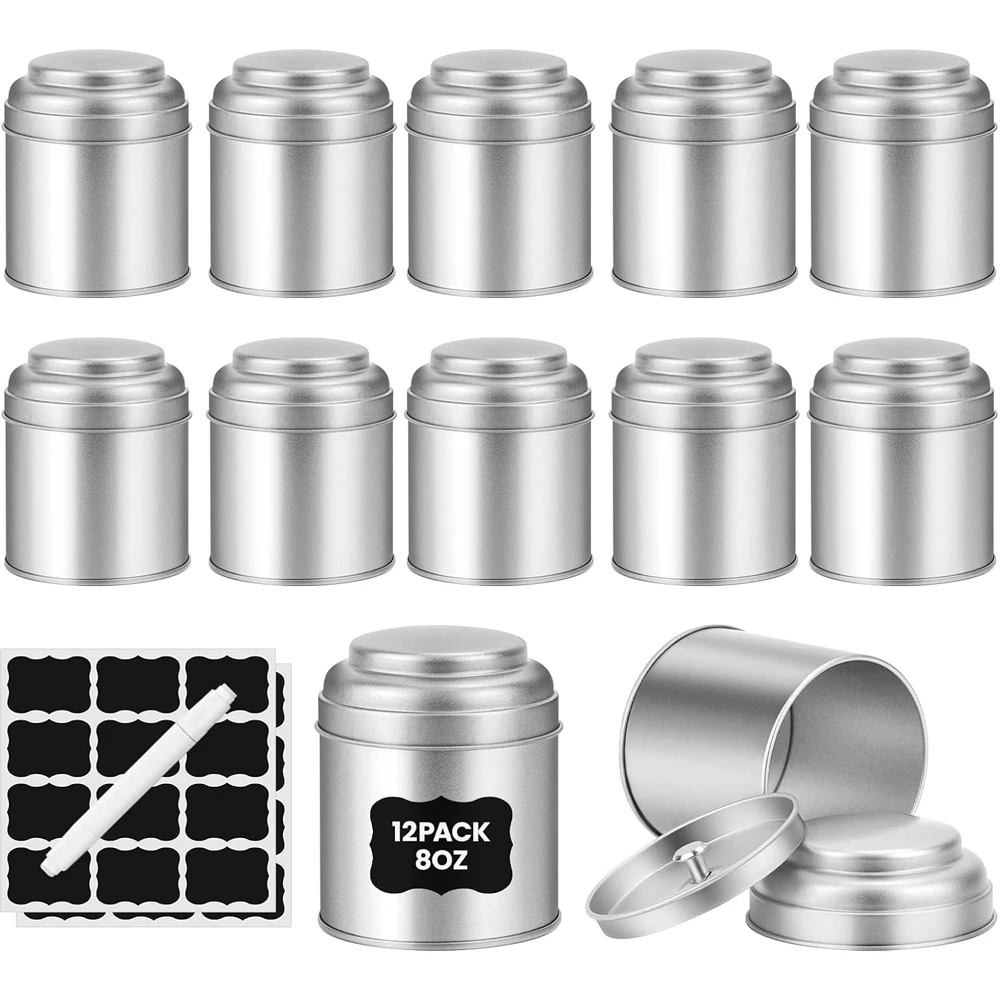
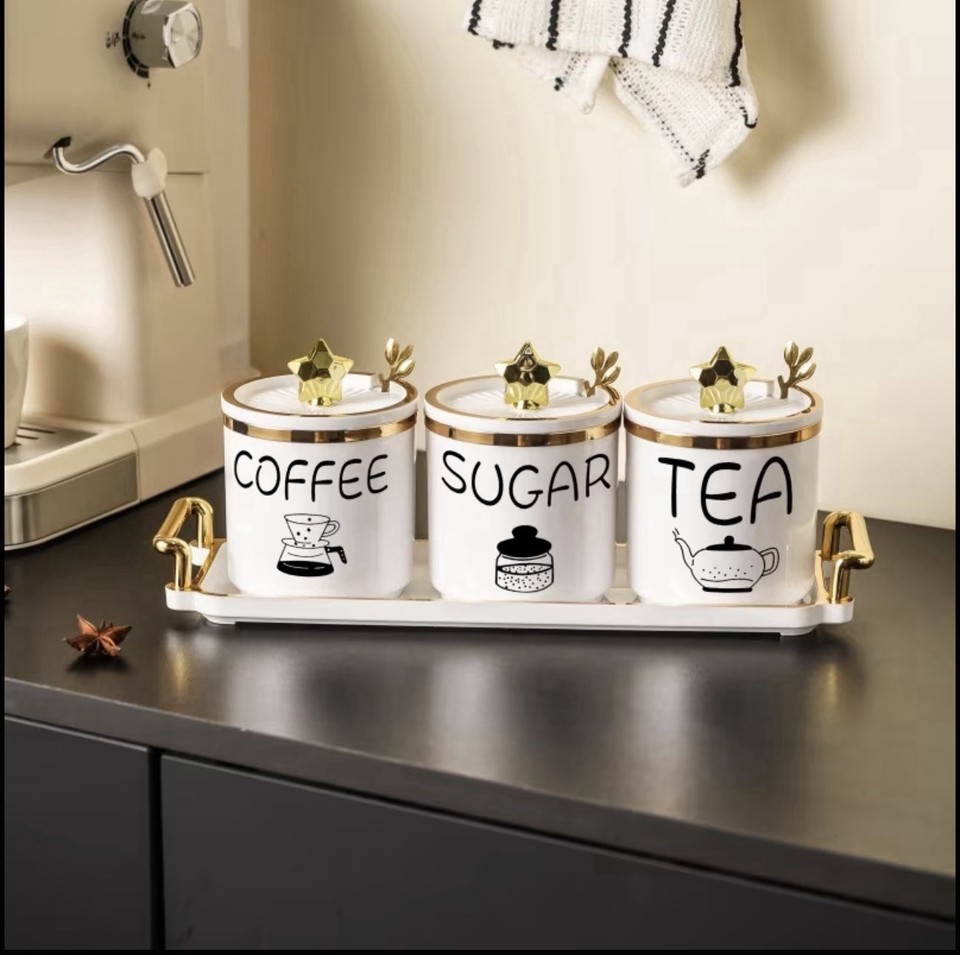
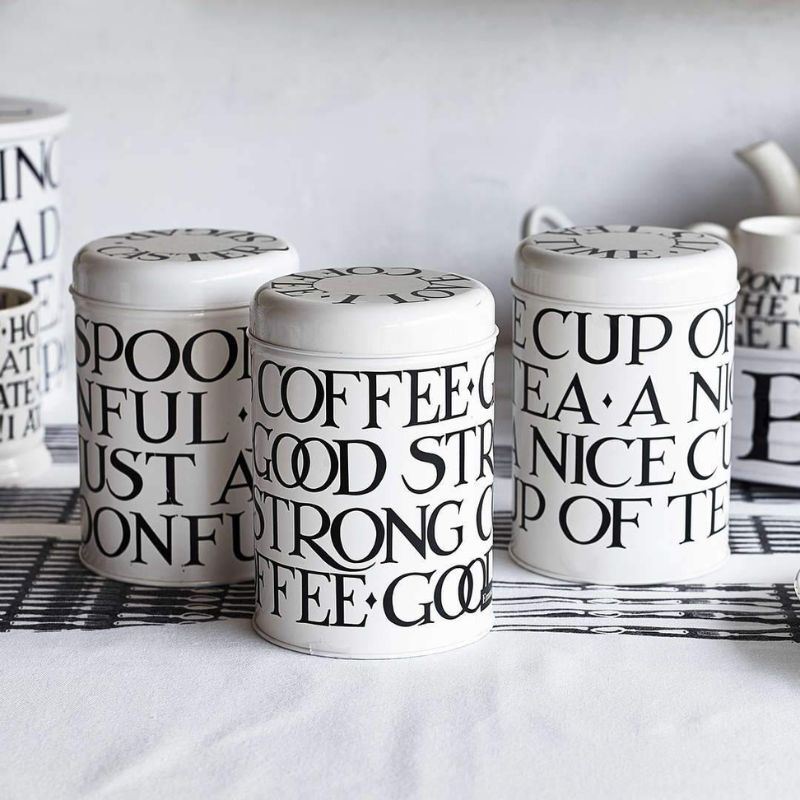
Do not rely on the search phrase or product photo alone. Confirm the seller, manufacturer, model number, and any available official listing. The supplied image examples show different tea, coffee, and sugar storage sets, but they do not establish that each pictured product is made by KitchenAid.
If the exact KitchenAid-branded set cannot be verified, compare the available alternatives by function instead. A clearly identified product with useful capacity, sound construction, and accurate care instructions can be a more dependable purchase than an uncertain listing.
Check the product identity
Look for a model number, maker information, packaging details, and consistent product photos.
Read the listing carefully
Make sure the brand name describes the actual product and is not used only in a broad search-oriented title.
How to Choose the Right Canister Set
Choose a canister set by matching its capacity, seal, material, and footprint to your daily routine. A three-piece set may look balanced on a counter, but the containers still need to hold the right amount of each ingredient.
Start by measuring the space beside your coffee maker or kettle. Check the full height and width of each canister, including the lid and any handle. If the set comes with a tray, measure the tray as well because it may take up more room than the containers alone.
Next, consider how often you refill each container. Someone who makes one cup of coffee each morning may need less storage than a household that brews several pots each day. Tea drinkers who keep many varieties may also need a separate box or drawer for extra tea bags.
Do not choose capacity based on outside dimensions alone. Thick walls, rounded shapes, and sloping sides can reduce the usable space inside. Look for a stated capacity in fluid ounces, cups, or another clear unit, and ask the seller if the listing does not provide it.
Source: glamjar-products.co.uk
Measure the available space
Leave room to lift each lid, remove a spoon, and refill the container without moving several items.
Match capacity to use
Buy enough storage for regular use without leaving large amounts of coffee exposed to air for long periods.
Check the opening
A wide opening can make filling and cleaning easier, while a narrow opening may be harder to reach with a spoon.
Inspect the base
A flat, stable base helps prevent tipping when a lid is removed or a spoon is used.
A Simple Capacity Planning Example
Imagine that your household uses two tablespoons of ground coffee each day. If you buy a canister that holds only a small amount, you may need to refill it often. A larger container can reduce refill work, but it does not automatically keep coffee fresh for longer.
The same idea applies to sugar. A household that uses a little sugar in tea may be comfortable with a compact container. A household that uses sugar in several drinks each day may prefer a larger opening and more capacity. These are planning examples, not claims about the capacity of any particular KitchenAid product.
Low daily use
Favor compact containers that fit the counter and can be cleaned without much effort.
Frequent drink making
Consider larger containers if they fit the space and have lids that close securely.
Compare Canister Materials Before Buying
The material affects the weight, visibility, care needs, and everyday feel of a canister. Stainless steel, other metals, glass, ceramic, and food-safe plastic can all work for dry kitchen storage when the product is designed for that use.
No material is best for every kitchen. Glass lets you see the contents, while metal can block light and hide clutter. Ceramic can suit a traditional counter, but it may chip or break if dropped. Plastic is often light and easy to move, though it can scratch or hold odors depending on its type and condition.
Check both the body and the lid. A metal body may have a plastic or silicone seal, and a glass jar may use a metal lid with a gasket. The weakest part of the design can affect how well the full container closes and how easy it is to clean.
Source: glamjar-products.co.uk
Stainless steel
Often suits modern kitchens and blocks light from reaching the contents. Check the grade or product care guidance, finish, and whether the inner surface is intended for food contact.
Other metal finishes
Can offer a coordinated look, but paint, coatings, and decorative finishes need suitable care to avoid scratches or damage.
Glass
Makes contents easy to see and helps with portion checks. Clear glass also exposes contents to light, so keep it away from strong sunlight.
Ceramic
Can look attractive on a counter and conceal contents. Check the weight, lid fit, and cleaning instructions, especially if the surface has decorative details.
Food-safe plastic
Usually lightweight and easy to handle. Check the maker’s instructions for stains, odors, heat exposure, and dishwasher use.
Which Material Works Best for Coffee?
For coffee, a container that limits air, moisture, heat, and light exposure is generally more useful than one selected for appearance alone. An opaque container can help block light, but the lid and storage location still matter.
A decorative tea, coffee, and sugar set is best treated as a convenient daily-use station unless its design and the manufacturer’s guidance support more demanding storage needs. For beans or ground coffee you want to preserve for longer, consider whether the container’s seal is suitable and whether storing the original bag inside a larger canister would work better.
Look for a suitable closure
A gasket or locking mechanism may help limit air exchange, but verify how the lid actually closes rather than assuming every fitted lid is airtight.
Avoid warm storage spots
Keep coffee away from the hot side of a coffee maker, oven, or sunny window.
Why Lid Design Matters
A lid should close securely, open without needless effort, and suit the ingredient inside. The word airtight is useful only when the product’s design supports that claim. A lid that rests loosely on the rim may keep out some dust but allow more air and moisture exchange than a sealed lid.
Moisture is a practical concern for sugar and tea. Sugar can form hard lumps when damp, and tea can lose quality if stored in a humid spot. Coffee also loses freshness over time, so a lid that limits exposure can help with daily storage. No lid can make an ingredient immune to poor storage conditions.
Before buying, inspect photos of the inside and underside of the lid if available. Look for a gasket, a locking rim, or a close-fitting design. Read the product instructions to learn whether the seal is removable and whether the lid can be washed safely.
Source: cookingapplianceworld.com
Lift-off lid
Easy to use and often simple to clean. The fit around the rim determines how well it limits exposure.
Gasket lid
Uses a flexible seal to improve the fit. Check whether the gasket can be removed for cleaning and replaced if damaged.
Clamp or locking lid
Can hold the lid in place firmly, though hinges and seals may need extra care during cleaning.
Screw-on lid
Can close securely when the threads and seal are in good condition. Make sure it is easy to open during everyday use.
How to Check a Lid After Purchase
Wash the container according to the maker’s instructions and let it dry fully. Fit the lid as directed, then check for gaps, loose parts, or a gasket that sits unevenly. Do not assume that a lid is airtight just because it feels tight.
If the lid rocks, slips off, or fails to line up, stop using that container for ingredients that need protection from moisture. Check the assembly instructions or contact the seller about a replacement. Avoid modifying the lid in ways the manufacturer does not support.
Check the rim
Look for dents, chips, food residue, or other damage that can prevent a good fit.
Inspect the seal
Make sure any gasket lies flat and is not cracked, stretched, or missing.
How to Store Tea, Coffee, and Sugar Correctly
Store tea, coffee, and sugar in a cool, dry place away from steam, direct sunlight, and strong odors. A counter beside a kettle may look convenient, but frequent steam can expose containers to moisture. A cupboard near the drink-making area may offer a better balance of access and storage conditions.
Start with clean, dry canisters. Even a small amount of water left inside can affect dry ingredients, especially sugar and loose tea. Let washed containers and lids dry completely before filling them.
Keep each ingredient in a container intended for food storage. Do not use a decorative jar if its materials, finish, or interior are not confirmed as suitable for contact with food. Use clean, dry spoons, and avoid returning a spoon that has touched milk, a wet cup, or another ingredient to the container.
For coffee, buy an amount that fits your usual rate of use and follow the coffee maker’s or coffee seller’s storage guidance when available. For tea, close the lid promptly after taking a bag or scoop. For sugar, keep the rim free of sticky residue so the lid can close properly.
Source: kovot.com
Keep containers dry
Do not fill a canister while it is still damp after washing.
Limit steam exposure
Keep the set away from the direct path of a kettle or coffee maker’s steam vent.
Use clean utensils
A dry spoon helps prevent moisture and food residue from entering the container.
Close lids after use
Do not leave open containers beside the coffee maker while preparing several drinks.
Avoid strong odors
Keep tea and coffee away from scented cleaners, spices, and other strong-smelling items.
Should You Pour Coffee Into a Decorative Canister?
You can use a decorative canister for coffee when it is food-safe, clean, dry, and suitable for the storage period you have in mind. The main question is not whether the container looks attractive, but how well it protects the coffee under your conditions.
If the canister does not seal well, keeping coffee in its original bag and placing that bag inside the canister may provide a more practical arrangement. This also helps avoid filling the container with more coffee than you can use in a reasonable period. Check that the original bag is closed properly after each use.
For daily convenience
A clean counter canister may work well for a small quantity used often.
For longer storage
Use packaging or a container suited to the coffee type and the storage advice provided by its maker.
How to Clean and Maintain Your Canisters
Clean your canisters whenever residue builds up, an ingredient changes, or the maker’s care schedule calls for it. A regular check also helps you catch a loose lid, damaged seal, chipped edge, or rust spot before it becomes a bigger problem.
Always follow the cleaning instructions for the exact product. Some containers are dishwasher-safe, while others need hand washing. A dishwasher can damage certain finishes, wooden parts, printed labels, or lid seals, so do not assume that every part of a set can go in the same wash cycle.
Empty the container before washing it. Remove crumbs or dry residue, wash the approved parts with suitable soap and water, rinse well, and let every part dry completely. If the lid contains a removable gasket, clean it as directed and fit it back only after it is dry.
Avoid harsh scouring pads on painted metal, glossy finishes, or decorative surfaces. Abrasive cleaning can scratch the coating and make the container look worn. Do not soak parts that the manufacturer says should not be submerged.
Source: ar.inspiredpencil.com
Wash based on material
Use the cleaning method approved for the body, lid, and seal rather than treating all parts alike.
Dry every part
Leave the body and lid open until moisture is gone, including around the rim and any gasket.
Check for damage
Look for chips, cracks, rust, peeling coatings, or seals that no longer sit correctly.
Refill with care
Use a clean scoop or spoon and wipe away loose sugar or coffee before closing the lid.
What If Coffee or Tea Leaves an Odor?
Start by emptying the container and washing it with the method allowed by the manufacturer. Rinse it well and let it air-dry fully with the lid off. A lingering smell can come from residue trapped around a seal, a lid groove, or a scratched interior.
Inspect the seal and any removable parts. If the odor remains after proper cleaning, avoid masking it with perfume or a strong cleaner. Replace a damaged seal or contact the maker if the container continues to affect the smell or taste of the contents.
Inspect hidden areas
Check lid grooves, gasket edges, and corners where residue can collect.
Replace damaged parts
Use compatible replacement parts where available instead of forcing a poor-fitting seal into place.
Set Up a Practical Tea and Coffee Station
A good drink station keeps the items you use together without crowding the work area. Place the canisters near the kettle or coffee maker, but not so close that heat, steam, or spills reach them. Keep enough open counter space to set down a mug and prepare a drink safely.
Arrange the three containers in the order you use them. Someone who makes coffee first may put coffee nearest the machine, with sugar beside it and tea at the other end. A tea drinker may prefer the opposite order. The most useful layout is the one that reduces reaching and makes each ingredient easy to identify.
If your set comes with a tray, use it to group the containers and catch a small amount of loose residue. A tray is not a substitute for cleaning spills, and it should be easy to lift or wipe. Without a tray, leave enough room between containers to clean the counter around their bases.
Add only the accessories that support your routine. A small spoon rest, mug rack, or tea bag holder may be useful, but too many accessories can take away the space the canisters were meant to free up. Keep milk, cream, and other perishable items in the refrigerator rather than leaving them with dry ingredients.
Source: amazon.co.uk
Group related items
Keep mugs, dry ingredients, and the tools needed for drink making in one convenient area.
Keep the counter clear
Leave space for spills, filling mugs, and wiping around the containers.
Label when needed
Labels can help identify similar ingredients, especially when the containers are opaque or several people use the station.
Check daily access
Make sure you can remove a lid without hitting a cabinet, shelf, or appliance.
Can You Use the Set in a Small Kitchen?
Yes, if the footprint suits the space. A compact three-piece set can help keep tea, coffee, and sugar together, but a wide tray may take up more room than three individual containers. Measure the full set before ordering and compare the dimensions with the free counter space.
If counter space is limited, consider storing the containers on an accessible shelf or in a cupboard near the kettle. Check the shelf’s depth and height, and make sure the containers are easy to lift without knocking over nearby items.
Choose a compact layout
Three separate containers may fit better than a wide tray in a narrow kitchen.
Use vertical space carefully
A shelf can free the counter, provided the canisters remain easy to reach and are not placed where they may fall.
Common Buying Mistakes to Avoid
The most common buying mistake is choosing a set based only on its appearance. A coordinated finish may suit the kitchen, but it does not tell you whether the lid seals well, the containers are food-safe, or the sizes match your needs.
A second mistake is assuming that every set advertised with the same keyword has the same design. Listings can differ in capacity, finish, included accessories, and care rules. Check the exact item being sold and read the specifications rather than relying on a title or a stock photo.
Shipping and return terms also matter. A ceramic or glass set may need careful packing, while metal containers can arrive with dents or scratched finishes. Read the return policy before purchase and check the items promptly when they arrive.
Finally, do not treat labels such as airtight, premium, or durable as complete proof of performance. Look for a clear description of the lid mechanism, body material, and care requirements. When a key detail is missing, ask the seller or choose a better-documented product.
Source: kiwifamilykitchen.co.nz
Ignoring the dimensions
A set that looks small in a product photo may be too tall for the shelf or too wide for the counter.
Assuming the set is genuine
Verify the brand and model instead of relying on a keyword-rich title.
Overlooking cleaning limits
A finish or lid part may require hand washing even if the container body is dishwasher-safe.
Buying more capacity than needed
Large containers may hold more than you can use while the contents remain at their best.
Skipping the return policy
Understand the seller’s terms before ordering fragile or imported kitchen storage items.
A Simple Pre-Purchase Checklist
Before placing an order, check the seller’s exact product name, manufacturer, dimensions, capacity, material, and lid type. Review the care instructions and confirm whether a tray, labels, or spoons are included. These details make it easier to compare products that look similar in photos.
If you cannot verify a key feature, treat it as unknown rather than assuming the product has it. A short question to the seller can prevent a poor fit or an unnecessary return.
Identity
The manufacturer and model are clear and consistent.
Fit
The full dimensions work with the intended counter or shelf.
Storage
The capacity and lid design suit the intended ingredients.
Care
Cleaning instructions are available for every part.
Value
The price, shipping cost, included pieces, and return terms are clear.
Compare Features Before You Decide
A short comparison can help you choose between several tea, coffee, and sugar sets. The table below compares general product types, not verified KitchenAid models. Actual performance depends on the design and instructions for the product you buy.
Use it to identify your priorities. If you want to see the contents at a glance, clear glass may help. If you prefer a coordinated counter with less visible clutter, an opaque metal or ceramic set may suit you better. In every case, check the seal and cleaning instructions.
Consider a simple metal finish with easy-to-read labels and a stable base.
For visible contents
Consider clear glass, while keeping it away from direct sunlight.
For a traditional kitchen
Consider ceramic or a decorative finish, provided the product is suitable for food storage and easy enough to clean.
For frequent use
Prioritize comfortable lids, suitable capacity, and simple cleaning over decorative extras.
General Canister Comparison
Use this table as a starting point when comparing available products. It does not establish the quality, capacity, or seal performance of any specific brand or model.
Metal
Often blocks light and can suit a clean, coordinated look. Inspect the finish and lid seal.
Glass
Shows the contents clearly. It can break if dropped and exposes contents to light.
Ceramic
Can add color and texture to the counter. Check weight, chips, and the fit of the lid.
Plastic
Usually light and easy to move. Check the material, scratch condition, and odor retention.
Frequently Asked Questions
Q
Are KitchenAid tea coffee sugar canisters sold as a three-piece set?
The phrase often describes a set of three containers for tea, coffee, and sugar, but it does not confirm that a specific KitchenAid-branded set exists or that every listing includes three pieces. Check the exact product details, maker, model number, and included items before buying.
Q
Are tea coffee sugar canisters airtight?
Some canisters have gaskets or locking lids designed to limit air exchange, while others have simple lift-off lids. Do not assume that a lid is airtight because it fits over the opening. Check the manufacturer’s description and inspect the seal for damage or gaps.
Q
Can I store ground coffee in a decorative canister?
Yes, provided the canister is intended for food storage, clean, dry, and suitable for the way you plan to store the coffee. Keep it away from heat, sunlight, and moisture. If the lid does not seal well, retaining the coffee in its properly closed original bag inside the canister may be a better option.
Q
Can tea, coffee, and sugar canisters go in the dishwasher?
That depends on the exact material, finish, lid, and seal. Some containers may be dishwasher-safe while their lids or gaskets are not. Follow the product’s care instructions, and hand wash parts that the manufacturer says must not go in the dishwasher.
Q
How do I stop sugar from forming hard lumps?
Keep the sugar in a clean, dry container with a lid that closes properly. Store it away from steam, wet utensils, and damp areas. If sugar has already become hard, check for moisture exposure and replace it if it has signs of contamination or an unusual smell.
Q
How can I tell if an online KitchenAid canister listing is genuine?
Check the seller’s identity, the manufacturer’s product catalog, the model number, packaging details, and any official product documentation. A brand name in a listing title or an attractive product photo is not enough to confirm authenticity. Contact the brand or seller if important details do not match.
✦ Wrapping Up
Conclusion
KitchenAid tea coffee sugar canisters may be a useful search for anyone who wants a neat, easy-to-use drink station. The right set should fit the available space, hold the amount you use, close securely, and be simple to clean. Appearance matters, but practical details determine how well the containers work each day.
Before ordering, verify the exact brand and model, read the material and care details, and check the dimensions and lid design. If the KitchenAid identity cannot be confirmed, compare clearly identified alternatives by their features instead of relying on the name alone. Keep the containers dry and away from heat and steam to help protect the ingredients.
💡 Key Takeaway
Measure your counter space, estimate how much tea, coffee, and sugar you use, and compare the exact product’s manufacturer, capacity, lid seal, material, care instructions, and return policy before you buy.