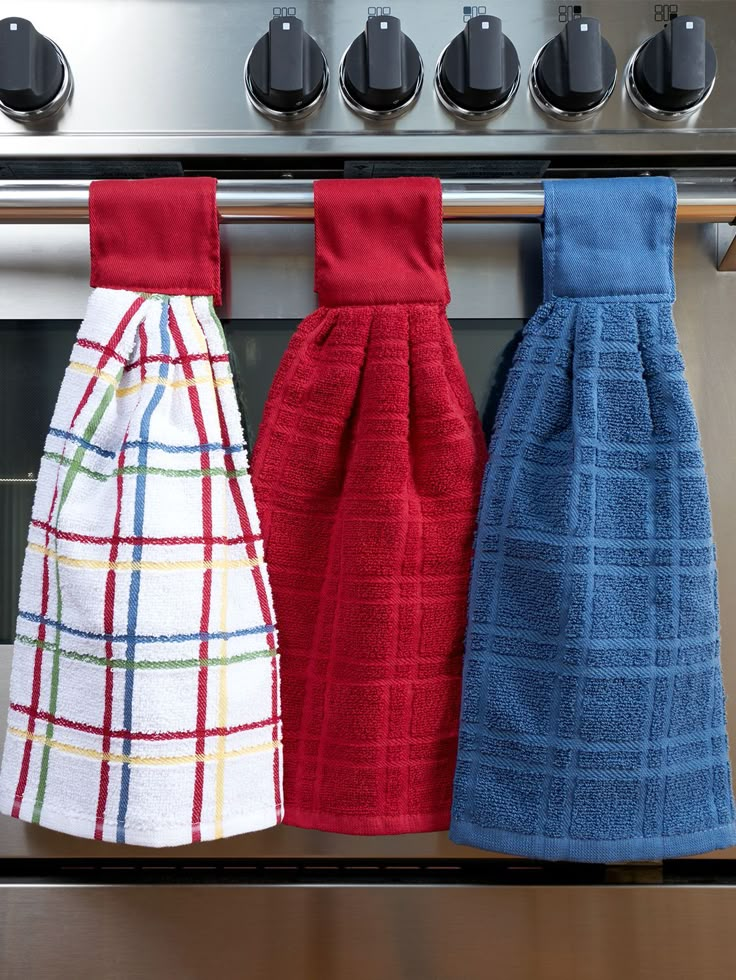
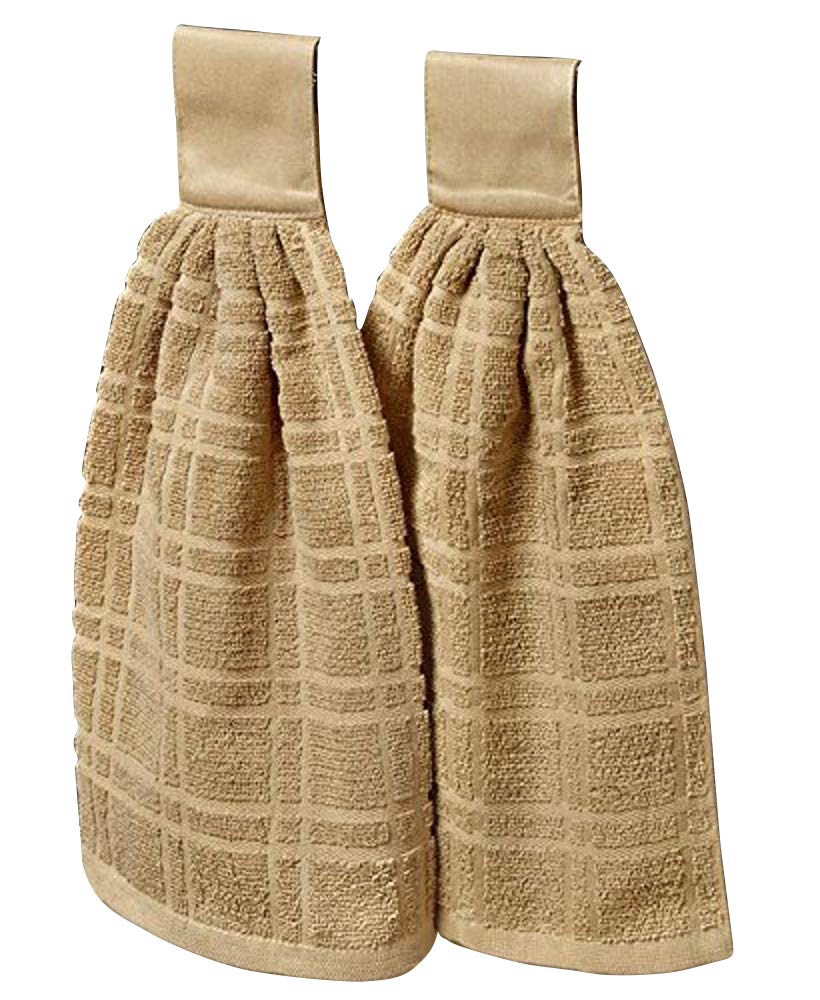
Kitchen towels with loops have a small fabric loop, sewn tab, or button strap that lets you hang them on a hook, cabinet knob, or suitable handle. They keep towels close to the sink or stove area without taking up drawer space. For daily use, choose a soft, absorbent towel with a strong loop and fabric that is easy to wash.
In an American kitchen, a towel can move from the sink to the counter many times in one day. You may need one to dry clean hands, wipe a small spill, or dry a washed dish. A towel that keeps slipping off the oven handle soon becomes a small but annoying problem. Kitchen towels with loops offer a simple way to keep a towel in reach.
The best choice depends on where you plan to hang the towel and what you need it to do. Cotton towels often work well for everyday drying, while waffle-weave and flat-weave styles may suit different kitchen tasks. The loop also matters. A sewn fabric tab, a button closure, and a built-in hanging loop can each offer a different balance of ease, grip, and care.
This guide explains how to choose, hang, wash, and care for looped kitchen towels in a typical US home. It also covers common problems, from loose stitching to towels that smell musty after washing. The goal is simple: find a towel that stays put, dries well, and holds up to regular use.
Kitchen towels with loops are reusable cloth towels that include a feature for hanging them up. The loop may be a small strip of fabric sewn into a corner, a narrow tab along an edge, or a buttoned strap that wraps around a handle. The main purpose is to keep the towel in a known place between uses.
These towels are often used near kitchen sinks, dish racks, counters, and storage areas. Some can hang from a wall hook, while others fit around a cabinet pull or a suitable appliance handle. The right attachment depends on the design of the towel and the shape of the place where it hangs.
A hanging loop does not make a towel more absorbent by itself. Absorbency depends more on the fabric, weave, thickness, and condition of the towel. The loop mainly improves storage and access, although its strength and position can affect how well the towel stays in place.
Source: amazon.ca
Fabric loop
A short sewn strip creates a simple hanging point. It works well with a wall hook or a knob that can hold the towel without stretching the stitching.
Button loop
A button and fabric tab can close around a suitable handle. This design can help stop the towel from slipping off, but the button and stitching need regular checks.
Built-in hanging tab
A small tab sits along an edge or corner. It takes little space and can work well for towels that are moved around the kitchen throughout the day.
How Are Loop Towels Different From Regular Dish Towels?
The main difference is the hanging feature. A regular dish towel may need a separate towel bar, a draped oven handle, or a dedicated hook to stay in place. A loop towel has an attachment designed for that purpose.
A loop can also help define where a towel belongs. For example, a small towel near the sink can be set aside for drying hands, while a larger towel near a dish rack can be used for clean dishes. Separate hanging spots make this routine easier to follow.
Less slipping
A secure loop can keep the towel from sliding off a narrow or smooth hanging point.
Simple storage
A hook can free up space in a drawer or on a crowded counter.
No automatic hygiene benefit
A hanging loop does not make a used towel clean. Regular washing and full drying still matter.
Why Use Kitchen Towels With Hanging Loops?
The biggest benefit is easy access. A towel hanging near the sink is simple to grab after washing your hands or rinsing a dish. You do not need to open a drawer or search through a pile of cloths.
Loop towels can also help keep a small kitchen tidy. In apartments, condos, and homes with limited counter space, a hook on a suitable wall or cabinet can provide a place for a towel without adding a large rack. A hanging towel is also easier to see, so you can tell when it needs to be washed.
The design is useful for busy households, too. When several people share a kitchen, a clear towel location can make it easier to put things back where they belong. The benefit depends on how the towel is used and whether everyone follows the same routine.
Source: homestudioreview.com
Convenient access
Keep a towel near the sink or dish-drying area instead of reaching into a drawer.
More open counter space
Use a suitable hook or handle instead of leaving the towel in a heap beside the sink.
Better daily organization
Give hand towels and dish towels separate hanging spots so each has a clear purpose.
Easy drying between uses
A towel spread out on a suitable hanging point may dry better than one left folded in a damp pile.
Where Should You Hang a Kitchen Towel?
A good hanging spot is easy to reach, away from food splashes, and suitable for the towel’s job. A wall hook near the sink can work well for a hand towel. A towel bar or a cabinet pull may suit a dish towel if the fabric can hang freely.
Avoid placing towels where they can touch an open flame, hot burner, or other hot surface. A towel hanging from an oven handle may be convenient, but its position can become unsafe if the oven is open or the towel hangs close to a burner. Choose a cool, stable location instead.
Near the sink
A useful spot for a hand towel, provided it does not stay wet from sink splashes.
Beside the dish rack
A practical location for a clean dish towel used to dry washed items.
On a wall hook
A good option when you want to avoid appliance handles or free up cabinet hardware.
Which Fabric Is Best for Loop Kitchen Towels?
Choose the fabric based on what you dry most often. Cotton is a common choice because it is soft, washable, and available in many weights and weaves. A towel used mainly for hands may feel different from one used to dry glasses or wipe up a spill.
No single fabric is best for every kitchen. A thick towel may feel sturdy but can take longer to dry. A thin towel may dry sooner but may need more passes to absorb a large amount of water. Weave, fabric quality, and how well the towel is cared for all affect its day-to-day performance.
Read the product label before buying. Terms such as absorbent, quick-drying, and lint-free can describe useful features, but they do not replace clear details about fiber content, size, washing instructions, and construction.
Source: storage.googleapis.com
Cotton
A versatile choice for drying hands, dishes, and everyday kitchen items. Its performance varies with the weave, thickness, and finish.
Waffle weave
The textured surface can make this style useful for general drying. Check the fabric weight and care instructions rather than assuming every waffle towel dries quickly.
Flat weave
A smooth, often lighter design that can suit glassware and everyday wiping. Some styles may release less lint than a fluffy towel, but results depend on the actual fabric.
Terry cloth
The looped surface can absorb water well and feel soft. A thick terry towel may hold more moisture and take longer to dry fully.
Linen or cotton-linen blends
These can suit lightweight drying tasks and have a different feel from thick cotton towels. Check the care label because blends may shrink or respond differently to heat.
Does a Thicker Towel Always Absorb More Water?
Not always. Thickness can affect how much water a towel holds, but fiber type, weave, surface area, and fabric finish matter too. A thick towel that has a water-resistant finish or a layer of fabric softener may absorb less well than expected.
For daily dish drying, a medium-weight cotton towel may be easier to handle than a very thick one. For drying hands, comfort and the ability to wash and dry the towel often may matter more than maximum thickness.
For hands
Look for a soft towel that feels comfortable and can be replaced or washed often.
For dishes
Consider a smooth or flat-weave towel if you want to limit lint on glassware.
For spills
Choose a towel with enough fabric to absorb the spill, then wash it before using it on clean dishes.
How to Choose the Right Size and Loop Design
The right towel should fit its hanging spot and leave enough fabric for the job. A small hand towel may work well beside a sink, while a larger dish towel can cover more surface area when drying dishes. Check the listed dimensions instead of judging size from a product photo.
Loop placement is just as useful to check. A corner loop may hang neatly from a small hook, while a button tab may work better around a bar or handle. If the loop is too short, too narrow, or poorly placed, the towel may bunch up or hang at an awkward angle.
Look closely at the stitching around the loop. The attachment takes repeated pulling, especially when a towel is grabbed quickly with wet hands. Reinforced seams can be helpful, but the product description alone does not prove how long the loop will last.
Source: storage.googleapis.com
Small hand towels
Useful near the sink when space is limited. Make sure the towel is large enough to dry hands without needing repeated use while still damp.
Medium dish towels
A practical everyday size for drying clean dishes and wiping small areas. Compare the dimensions with your current towels.
Large kitchen towels
Offer more fabric for broad drying tasks, but they need enough hanging space to spread out.
Button-loop towels
May stay attached more securely to suitable handles, but buttons must be secure and should not interfere with the handle’s normal use.
What Should You Check Before Buying?
Compare a few basic details before placing an order. The fiber content, finished dimensions, number of towels, loop style, and wash instructions tell you more than a decorative product photo. If the loop is a button style, look for a clear view of the button and the fabric tab.
For online purchases, read the listed product details carefully. A title that mentions hanging loops may refer to a small hand towel rather than a full-size dish towel. Check whether the set includes one towel or several, and confirm the actual dimensions.
Fiber content
Check whether the towel is cotton, a blend, or another material.
Loop construction
Look for a securely sewn tab, reinforced attachment, or well-made button closure.
Care instructions
Choose a towel that can be washed in a way that fits your household routine.
Pack size
Count the towels in the set and compare the total with your daily needs.
How to Hang Kitchen Towels With Loops
Hanging a loop towel is simple, but the attachment should suit the hook or handle. A secure hanging point keeps the towel from falling, while enough open space lets air reach more of the fabric. The towel should hang clear of flames, hot surfaces, and areas where raw food or dirty water can splash onto it.
Before hanging the towel, check that the hook is firmly attached and can support the towel when wet. A damp towel can weigh more than a dry one. Avoid placing a hook where it may damage a cabinet door, block a walkway, or interfere with appliance controls.
Source: amazon.com
Step 1: Pick a safe spot
Choose a clean, cool area near the task where the towel will be used. Keep it away from open flames and hot surfaces.
Step 2: Match the loop to the support
Place a fabric loop over a suitable hook, or fasten a button tab around a handle if the design allows it.
Step 3: Spread out the fabric
Let most of the towel hang freely. Avoid folding it into a thick, damp bundle that dries slowly.
Step 4: Check the attachment
Give the towel a gentle tug to see whether the loop stays secure. Do not pull hard enough to damage the stitching.
Step 5: Replace it when needed
Move a dirty or wet towel to the laundry and hang a clean one in its place.
Can You Hang a Loop Towel on an Oven Handle?
Some loop towels are designed to fit around an oven handle, but convenience should not come before safe placement. A towel can become a hazard if it hangs near a burner, touches a hot surface, or gets caught as an oven door moves. The risk depends on the kitchen layout and appliance design.
A separate wall hook or towel bar away from heat is often a better choice. If you use an appliance handle, make sure the towel stays clear of hot areas and does not interfere with opening or closing the door. Never use a kitchen towel to handle a hot pan unless it is specifically designed and suitable for that purpose.
Avoid burner areas
Keep loose fabric away from gas flames and other sources of heat.
Check door movement
Make sure the towel cannot become trapped or pulled when the door opens or closes.
How to Wash and Care for Loop Kitchen Towels
Wash kitchen towels based on how you use them, how dirty they become, and the care instructions on the label. A towel used to dry clean hands may need different handling from one that wipes raw meat juices or cleans a dirty spill. Replace a towel as soon as it becomes heavily soiled, smells unpleasant, or stays wet for too long.
Keep used towels separate from clean ones. After use, hang a towel so it can dry if it is still suitable for another task. Put it in the laundry when needed, and do not leave damp towels packed tightly in a basket or piled on a counter.
Use the hottest wash temperature allowed by the fabric care label when more thorough cleaning is needed. Follow detergent directions and any specific hygiene guidance relevant to the contamination. Never mix cleaning chemicals, especially bleach with ammonia or acids, because dangerous gases can form.
Source: amazon.com
Read the care label
Check the recommended wash temperature, drying method, and any warnings about bleach or other products.
Wash heavily soiled towels promptly
Do not leave towels contaminated with food juices or other messes in a damp pile.
Dry fully
Use a suitable drying method and make sure the towel is dry before storing it or using it again.
Keep clean towels separate
Store freshly washed towels away from dirty laundry, raw food, and surfaces that may contaminate them.
Inspect the loop
Look for frayed fabric, loose seams, damaged buttons, or stretched stitching after regular washing.
How Often Should You Wash Kitchen Towels?
There is no single washing schedule that fits every towel. How often you wash one depends on its task, moisture level, and contact with food or dirty surfaces. A towel that remains damp or has wiped up a spill should not be treated like a clean towel that has barely been used.
Change towels regularly and wash them promptly when they become dirty or smelly. Use a fresh towel for tasks involving raw meat, poultry, seafood, or their juices, and do not reuse a contaminated towel on clean dishes or hands. When in doubt, replace the towel rather than trying to stretch its use.
Hand drying
Change the towel when it becomes damp, dirty, or unpleasant-smelling, and keep a spare available.
Dish drying
Use a clean towel for clean dishes and replace it if it becomes soiled or damp enough to stay wet.
Raw food cleanup
Use a separate towel or disposable material as appropriate, then handle the used item safely and clean the affected area.
How to Remove Musty Smells
A musty smell often means the towel stayed damp too long, was not cleaned well, or was stored before it dried fully. Start by checking the care label and washing the towel with a suitable detergent. Avoid overloading the washer because tightly packed items may not clean or rinse well.
Dry the towel fully after washing. If the odor remains, wash it again according to the care instructions and check whether the washing machine itself needs cleaning. Do not add extra cleaning chemicals at random, and never combine bleach with vinegar, ammonia, or other cleaners.
Wash again if needed
Follow the fabric label and detergent directions rather than using an unverified chemical mixture.
Improve airflow
Hang towels so they can spread out and dry instead of folding them over themselves several times.
Replace worn towels
If a towel remains smelly or damaged after proper washing, retire it from food-related tasks.
Kitchen Towel Hygiene: Keep Each Towel for Its Own Job
A clean-looking kitchen towel is not always clean enough for every task. Towels can pick up food residue, grease, and germs from hands, dishes, counters, and spills. The easiest way to reduce mix-ups is to assign different towels to different jobs and wash them as needed.
For example, keep one towel for drying clean hands and another for drying clean dishes. Use an appropriate separate method to clean up raw meat juices rather than wiping them with a towel that will later touch dishes. Wash your hands after handling raw food and clean any affected surfaces with a suitable product.
Hanging towels on separate hooks can support this routine, but color and location alone do not guarantee safe use. Everyone in the home needs to know which towel serves which purpose. Replace a towel immediately if it becomes contaminated or if you are unsure what it has touched.
Source: amazon.com
Hand towel
Reserve it for clean hands, and replace it when it becomes damp or dirty.
Dish towel
Use it for clean dishes and kitchen items rather than wiping up raw food juices.
Cleaning cloth
Keep it separate from towels used on hands or dishes, and wash or dispose of it according to the task.
Are Kitchen Towels With Loops More Hygienic?
Not by design alone. A loop can make a towel easier to hang and may help it spread out to dry. It does not kill germs or prevent contamination if the towel touches dirty hands, food residue, or an unclean surface.
Hygiene depends on clean fabric, safe use, prompt washing, full drying, and a suitable hanging location. A loop towel that stays damp or is used for several different jobs may still need frequent replacement and washing.
Hang with space
Avoid tightly folding a damp towel over a narrow handle when it can be spread out elsewhere.
Use clean cloths for clean tasks
Do not use a towel that has wiped a spill to dry clean dishes.
Common Problems With Loop Kitchen Towels
Most problems with loop towels come from the fabric, attachment, hanging point, or care routine. A towel that falls often may have a loop that does not fit the support. A towel that stays damp may be too thick for the space or folded in a way that limits airflow.
Check the simplest cause first. Look at how the towel hangs, inspect the stitching, and confirm that the hanging point is stable. Replace the towel if the attachment is badly torn or the fabric no longer cleans up well after proper washing.
Source: amazon.com
The towel keeps falling
Try a better-fitting hook or a suitable button-loop design. Check whether the loop is stretched or the handle is too wide or smooth.
The loop is coming loose
Stop hanging the towel from that loop until it is repaired. A secure repair should hold the towel’s wet weight without pulling out.
The towel dries slowly
Move it to a spot with better airflow, spread out the fabric, and avoid leaving it folded in a thick bundle.
The towel leaves lint on glasses
Try a clean, smooth-weave towel and follow the washing instructions. A worn or fluffy towel may be less suitable for glassware.
The towel feels less absorbent
Check for fabric softener buildup, grease, and wear. Wash according to the label and assess whether the towel needs replacing.
Can You Repair a Broken Hanging Loop?
A loose fabric loop may be repairable if the towel itself is still in good condition. A sturdy replacement tab can be sewn into a strong part of the towel, but the stitching should not pull through thin or worn fabric. If you are not comfortable sewing, a tailor or basic sewing service may be able to help.
A damaged button can sometimes be replaced if the fabric tab and towel edge remain strong. Check that the new button is firmly attached and that the closure stays secure during normal use. Do not rely on a weak repair for a towel hanging above a hot surface or in another risky spot.
Repair minor seam damage
Use a secure stitch on sound fabric and check the loop before returning the towel to regular use.
Replace a failed attachment
A new tab or button may help when the original part is damaged but the rest of the towel is sound.
Retire badly worn towels
Replace towels with torn fabric, weak seams, persistent odor, or poor cleaning performance.
Should You Buy a Set or Make Your Own Loop Towels?
Buying a set is convenient when you want several matching towels with the same loop design. It can also make it easier to assign one towel to hands and another to dishes. Before buying, compare the number of towels, fabric details, size, and care instructions rather than choosing only by color or pattern.
Making your own loop towels can work if you already have suitable kitchen towels and basic sewing skills. You can add a fabric tab to a sturdy corner or sew on a button closure, provided the towel fabric can support the attachment. The main challenge is making the loop strong enough to withstand repeated use and washing.
Neither option is automatically better. A ready-made set saves time, while a DIY repair or conversion can make use of towels you already own. The best choice depends on your budget, available time, sewing skills, and the condition of the original fabric.
Source: amazon.com
Choose a ready-made set if
You need several towels at once, want matching colors, or prefer a loop that is already attached.
Make your own if
You have suitable towels, basic sewing supplies, and enough sound fabric to support a secure attachment.
Repair instead of replacing if
The towel is cleanable and in good condition but has a small, repairable problem with its loop.
A Simple Checklist for Comparing Towels
A short checklist can make shopping easier, especially when several towels look similar in product photos. Focus on details that affect use and care. If a listing does not clearly state an important feature, do not assume the towel has it.
Material
Confirm the fiber content and check whether the towel suits your main drying task.
Dimensions
Compare the stated width and length with the space where you plan to hang the towel.
Loop style
Choose a sewn tab, corner loop, or button closure that fits your hanging point.
Construction
Look for neat seams and a firmly attached loop, while remembering that photos cannot prove long-term durability.
Care
Check whether the recommended wash and drying methods fit your normal laundry routine.
Quantity
Choose enough towels to rotate clean ones in while used towels are being washed.
A Practical Kitchen Towel Setup for Everyday Use
A simple towel setup works best when each towel has a clear purpose and a place to hang. You do not need a large collection or a complex storage system. Start with the tasks you perform most often, then add more towels only if your routine calls for them.
For a small US kitchen, two or three dedicated hanging spots may be enough to separate clean hand drying from dish drying and general cleanup. A larger household may need more towels because several people cook, wash dishes, or use the sink throughout the day. The number depends on use, laundry frequency, and how quickly towels become wet or dirty.
Keep spare clean towels in a dry drawer or cupboard, away from used cloths. When you change a towel, place the used one in the laundry rather than hanging it beside clean towels. This small habit makes it easier to keep track of which towels are ready for use.
Source: amazon.com
One hand towel
Hang it near the sink for clean hands and replace it when damp or dirty.
One dish towel
Keep it near the dish rack for drying clean dishes and utensils.
One cleaning cloth
Set it apart for routine surface cleaning and keep it away from clean dish towels.
A small clean reserve
Store extra towels in a dry spot so you can replace used ones without waiting for laundry.
How Many Loop Towels Do You Need?
The right number depends on how often you cook, how many people share the kitchen, and how often you do laundry. A person who cooks at home every day may need more towels than someone who uses the kitchen only for light meals. Damp towels also need to be changed sooner than clean, dry ones.
Rather than buying a large set at once, start with a small group for your main tasks. Track how often you run out of clean towels, then add more if needed. This helps you avoid buying more fabric than you can store, wash, and dry comfortably.
Small household
Begin with a few towels for hands, dishes, and cleanup, then adjust based on use.
Busy family kitchen
Keep more clean replacements available if towels become wet or dirty throughout the day.
Shared kitchen
Use clear hanging spots and simple task rules to reduce accidental reuse.
Frequently Asked Questions
Q
What are kitchen towels with loops used for?
Kitchen towels with loops are used for drying hands, drying clean dishes, and other everyday kitchen tasks. Their built-in hanging feature lets you keep them on a suitable hook, bar, or handle. The loop helps with storage and access but does not change the towel’s basic cleaning or drying ability.
Q
Are cotton kitchen towels with loops a good choice?
Cotton is a versatile option for many kitchens because it is washable and comes in different weaves and thicknesses. Choose a towel based on the job, the fabric’s feel, the listed dimensions, and the care instructions. A smooth weave may suit glassware, while a thicker towel may be useful for other drying tasks.
Q
Can kitchen towels with loops go in the washing machine?
Many cotton and cotton-blend kitchen towels can be machine-washed, but you should follow the care label for the specific towel. Check the instructions for water temperature, detergent, bleach, and drying. Inspect the loop and any button closure after washing to catch loose stitching before it fails.
Q
Are button-loop towels better than sewn-loop towels?
Neither design is best for every kitchen. A sewn loop is simple and works well on a suitable hook, while a button closure may fit around a handle and help stop the towel from slipping off. Choose the design that suits your hanging point, and check that the attachment is secure.
Q
Why does my kitchen towel still smell after washing?
A lingering smell may mean the towel did not dry fully, the wash did not remove the soil, or the washing machine needs cleaning. Wash the towel again according to its care label, avoid overcrowding the washer, and dry it fully before storing it. If the smell remains or the fabric is badly worn, replace the towel.
Q
Can I hang a kitchen towel on a cabinet knob?
Yes, if the knob can hold the towel securely and the loop fits without stretching. Make sure the towel does not block the cabinet door, touch a hot surface, or hang where food or dirty water can splash onto it. A dedicated hook may work better if the knob is too small or smooth.
Q
How do I stop a loop from tearing away from the towel?
Inspect the stitching and the fabric around the loop before the damage gets worse. A small tear may be repairable if the surrounding fabric is strong enough to hold new stitches. If the towel is badly worn or the attachment cannot be secured, replace it or use it for a task that does not require hanging.
✦ Wrapping Up
Conclusion
Kitchen towels with loops offer a simple way to keep everyday towels close at hand. They can free up drawer and counter space, reduce slipping, and make it easier to give each towel a clear place. The best design depends on the fabric, towel size, loop construction, and where you plan to hang it.
For most homes, a washable towel with a secure attachment and a useful size is a sensible starting point. Cotton is a versatile option, while flat-weave, waffle-weave, and terry styles suit different tasks. Check the care label, inspect the stitching, and choose a hanging spot away from flames and hot surfaces.
Good care matters just as much as the design. Keep hand towels, dish towels, and cleaning cloths separate, wash used towels when needed, and let them dry fully. A small towel routine can help keep your kitchen tidy without adding more work to your day.
💡 Key Takeaway
Before buying, measure your hanging space, choose the fabric for your main task, and check that the loop is secure. Start with enough towels to rotate clean ones in while used towels are washed and dried.