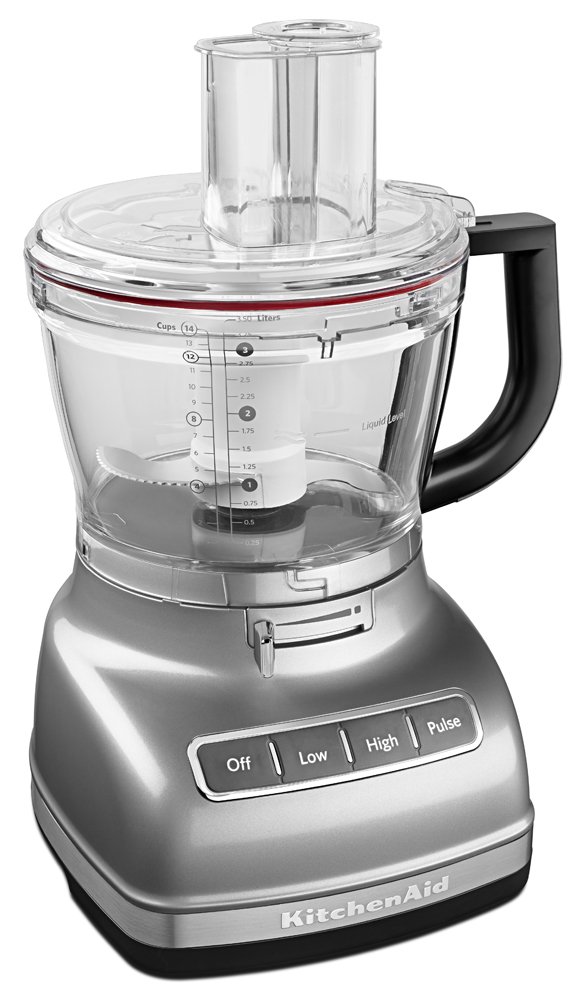
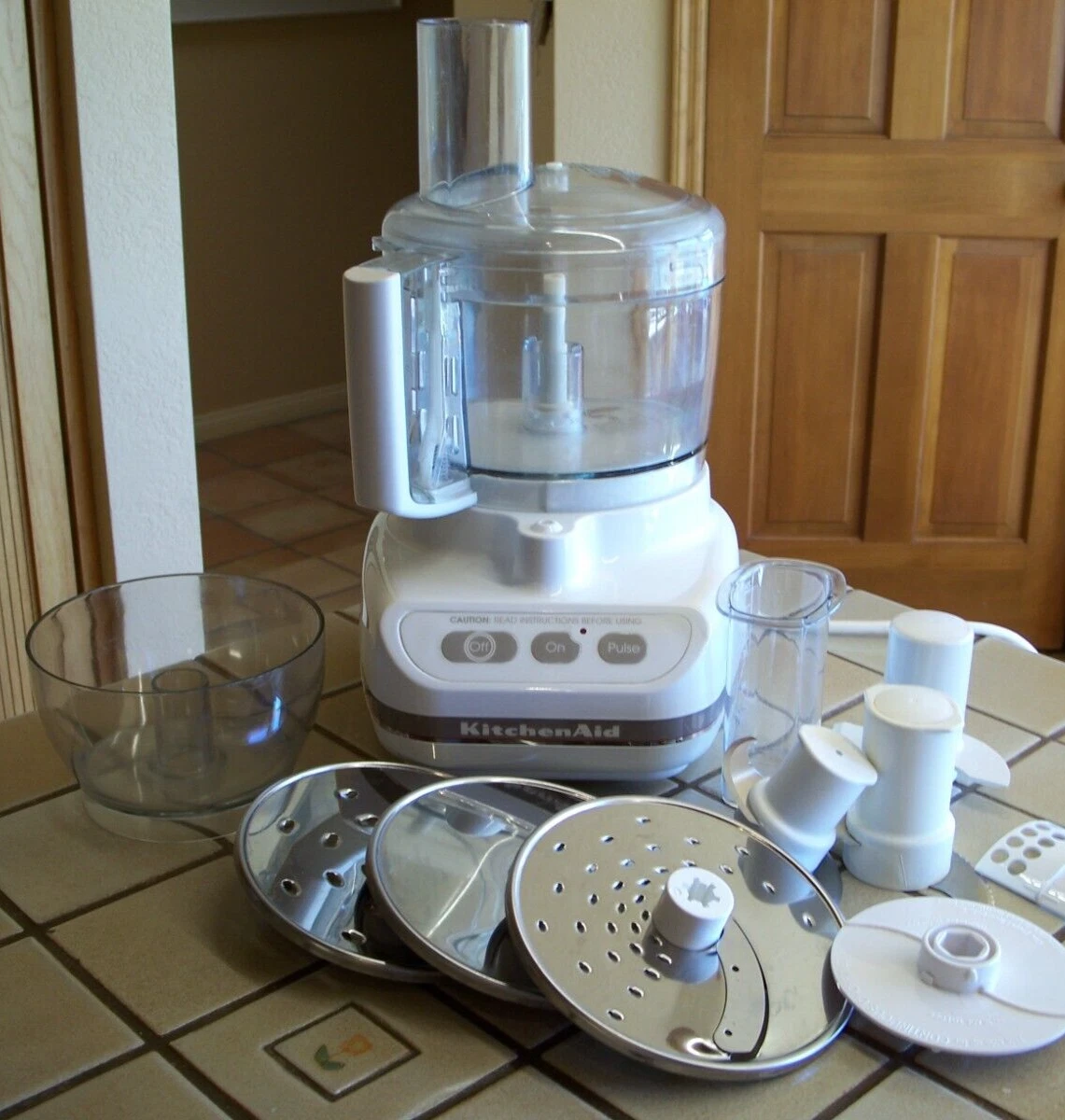
The kitchenaid KFP600 is an older Ultra Power food processor made for everyday food preparation. Its 11-cup work bowl, multipurpose blade, slicing and shredding discs, and other model-specific parts make it useful for chopping, slicing, shredding, and mixing. Before buying one today, check its condition and confirm that all needed parts fit this exact model.
In American kitchens, a food processor can save time when you prep meals for the week, make fresh salsa for a cookout, or shred vegetables for a family dinner. The KitchenAid KFP600 Ultra Power is an older countertop model that can handle many of these jobs when its motor, bowl, lid, and cutting parts are in good shape.
The main question for a US buyer is not just whether the KFP600 can still prepare food. It is whether the used machine has the right parts, works as intended, and offers enough value compared with a newer processor. The original instruction manual is a useful starting point because it explains assembly, safe use, cleaning, and food preparation methods for the 11-cup model.
This guide covers the KFP600’s documented features, common kitchen uses, setup, maintenance, and checks to make before purchasing a used unit. It does not claim hands-on testing or guarantee that every machine sold under this model number includes the same accessories.
The KitchenAid KFP600 is part of the Ultra Power food processor line. Its instruction manual covers 11-cup food processor models and explains how to assemble, operate, and clean the machine. It is designed to cut down on hand prep for tasks such as chopping vegetables, slicing produce, shredding cheese, and mixing certain foods.
Unlike a stand mixer, which uses a bowl and mixing attachments to work ingredients, a food processor uses a motor-driven blade or disc. This lets you cut, mince, grate, slice, or puree food in a short time. The KFP600 can be useful for home cooks who make soups, salads, sauces, dips, and other meals from fresh ingredients.
The model is now an older appliance, so the condition of an individual unit matters more than its age alone. Two listings may show the same KFP600 model but include different bowls, lids, blades, and discs. Read the listing closely and ask for clear pictures of the actual parts before paying.
Source: static-data2.manualslib.com
Model identity
Look for KFP600 on the appliance identification label and compare it with the seller’s description.
Main purpose
The processor handles food prep jobs that would otherwise take repeated work with a knife, box grater, or mixing bowl.
Used appliance status
Treat the machine as a used purchase unless the seller can clearly document a different condition.
Is the KFP600 the Same as Every KitchenAid Food Processor?
No. KitchenAid has made food processors with different capacities, bowl designs, drive systems, and accessories. A blade or bowl that fits another KitchenAid model may not fit the KFP600. Even when two products look alike, their locking tabs, center shafts, and drive connections can differ.
The KFP600 manual also refers to the KFPM650 Professional model when describing its egg-whip accessory. That does not mean the egg whip came with every KFP600 package. Check the exact model and accessory list before assuming that a feature shown in a shared manual applies to your machine.
Check the model number
Use the label on your own machine, not just the listing title or a photograph.
Check each accessory
Confirm that the bowl, lid, blade, disc, and adapter match the exact model and part number.
KitchenAid KFP600 Features and Accessories
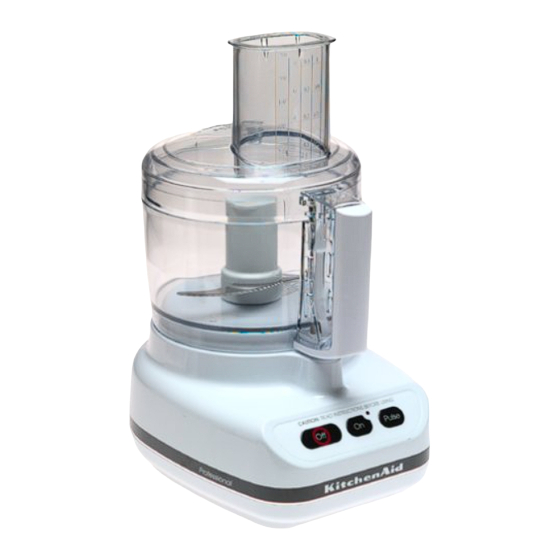
The KFP600’s main appeal is its large work bowl and range of food preparation tools. The original manual describes an 11-cup bowl, a multipurpose stainless steel blade, a dough blade, slicing and shredding discs, and a mini bowl with its own blade. The actual accessories supplied with a used unit may vary, so use this list as a guide to what the model’s system can include rather than a guarantee of package contents.
The 11-cup capacity gives you room to prepare many ingredients in a single batch. That can help when you shred vegetables for slaw, slice produce for a casserole, or chop ingredients for a large bowl of salsa. Capacity alone does not mean every ingredient can be added in one load. Follow the manual’s food preparation guidance and avoid filling the bowl beyond its recommended limit.
Each cutting tool serves a different job. A multipurpose blade chops and purees, while a slicing disc cuts food into slices and a shredding disc breaks it into narrow pieces. A dough blade is intended for certain dough tasks. Using the right attachment helps produce more even results and can reduce strain from using the wrong tool.
Source: s3.manualzz.com
11-cup work bowl
Useful for preparing larger amounts of vegetables, sauces, and other ingredients for home meals.
Multipurpose blade
Designed for jobs such as chopping, mincing, mixing, and pureeing.
Slicing and shredding discs
Help create slices or shreds for salads, slaw, cheese, and other recipes.
Dough blade
Made for suitable dough preparation. Follow the model manual and do not assume it can replace every mixer function.
Mini bowl and mini blade
Designed for smaller amounts of ingredients when these parts are included and in good condition.
What Comes With a Complete KFP600 Set?
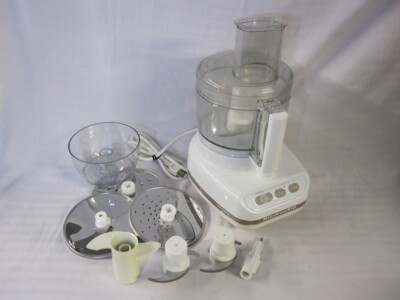
A complete set may include the motor base, work bowl, work bowl cover with feed tube, food pusher, multipurpose blade, dough blade, and several slicing or shredding discs. Some sets may also have a mini bowl, mini blade, storage case, and spatula. The contents depend on the original package and what remains with the machine today.
Ask the seller to lay out every included piece in one photograph. Then compare the pieces with the parts diagram in the original manual. This is more useful than relying on a claim such as complete set, because a missing lid or a mismatched bowl can prevent safe use even when the motor still runs.
Look for the lid and pusher
These parts are important for normal operation and safe feeding of food.
Inspect cutting edges
Reject cracked, bent, badly corroded, or loose cutting parts.
Confirm the drive parts
Check that the bowl, blade, and disc adapter fit securely without force.
What Can You Make With the KFP600?
The KitchenAid KFP600 can help with many routine cooking jobs, from chopping onion to shredding cheese. The best results depend on the food, the attachment, the size of each piece, and how long you run the motor. Start with the method in the manual, then adjust your technique within those instructions as needed.
For fresh salsa, use the multipurpose blade and short pulses to chop tomatoes, onion, peppers, and herbs. Stop often to check the texture. Long runs can turn juicy vegetables into a wet mix instead of a chunky salsa. For a smoother dip, continue in short bursts until the ingredients reach the texture you want.
For shredded cheese or vegetables, fit the correct shredding disc and use the feed tube and food pusher as directed. For slices of cucumber, carrot, or other firm produce, choose a suitable slicing disc. Cut the food to fit the feed tube rather than forcing large pieces through it. Gentle, even pressure helps the machine work as intended.
Source: i.ebayimg.com
Salsa and dips
Use controlled pulses for a chunky texture, or process longer when a smoother blend is desired.
Slaw and salad prep
Use a suitable disc to slice or shred cabbage, carrots, and other firm produce.
Cheese preparation
Choose a compatible shredding disc and check that the cheese is suitable for the task.
Sauces and purees
Use the multipurpose blade for suitable ingredients and scrape the bowl only after the machine stops and is unplugged.
Dough preparation
Use the dough blade only for dough types and quantities supported by the manual.
How to Get More Even Results
Even cuts begin before the food enters the processor. Remove tough stems, peel or seed ingredients when the recipe calls for it, and cut large items into pieces that fit the feed tube or bowl. Keep similar ingredients in manageable batches when the manual recommends it.
For chopping, short pulses give you more control than leaving the motor on for a long stretch. For slicing and shredding, guide the food through the feed tube without pushing too hard. Stop and inspect the results before processing more. If the food is uneven, change the preparation method instead of forcing the machine to work harder.
Use pulse for control
Short bursts help you stop before herbs, onions, or other soft foods become too fine.
Do not overfill
Work in smaller batches when ingredients need more space to move and cut evenly.
Pick the right disc
Use a slicing disc for slices and a shredding disc for narrow strips rather than expecting one attachment to do both jobs.
How to Assemble and Use the KitchenAid KFP600
Correct assembly matters because the KFP600 uses a locking bowl and cover system. If the parts do not sit in the right place, the processor may not start. Never force a bowl, lid, blade, or disc into position. Unplug the unit before fitting or removing accessories, and keep your hands away from exposed cutting edges.
Begin with a clean, dry, level counter and inspect the cord, plug, bowl, lid, and cutting parts. Place the work bowl on the base in the position shown in the manual and turn it until it locks. Fit the blade or the correct disc and adapter. Then place the cover on the bowl and lock it as described in the model instructions.
Once assembly is complete, add the food in the manner suited to the attachment. Fit the food pusher when needed and make sure the lid is secure before connecting power. Use the ON control for continuous processing when suitable, or PULSE for short bursts. Press OFF before opening the lid or reaching near the bowl’s contents.
Source: i.ebayimg.com
Step 1: Check the machine
Make sure the cord, plug, base, bowl, lid, and accessories have no visible damage.
Step 2: Fit the bowl
Set the bowl on the base and lock it in the position shown in the official manual.
Step 3: Add the correct tool
Install the multipurpose blade or the proper disc and adapter while the machine is unplugged.
Step 4: Lock the cover
Fit and turn the cover as instructed. Never bypass the lid interlock.
Step 5: Process with care
Use the correct control and feed food gently. Stop the motor before opening the bowl.
How Do You Know It Is Ready to Use?
The bowl and lid should sit firmly in their locked positions, and the cutting tool should fit the correct shaft or adapter. The machine should not wobble because a part is out of place. If a lock will not engage, remove the part and check its position rather than applying extra force.
After connecting power, use a small, suitable amount of food for the first run. Listen for unusual grinding, loud rattling, or repeated stopping. Turn the machine off and unplug it if anything seems wrong. Do not test a damaged appliance with food inside or attempt to defeat its safety switches.
Normal fit
The bowl and cover lock as intended without cracks, forced movement, or loose parts.
Normal operation
The processor runs without unusual noise, burning odor, smoke, or visible damage.
Cleaning and Maintaining the KFP600
Cleaning the KFP600 after each use helps remove food residue before it dries. Unplug the processor first, then take off the cover, bowl, and accessories according to the manual. Handle blades and discs by their safe edges or designated grips. Their cutting edges can cause serious cuts even when the motor is off.
The original manual states that the other food processor parts can be washed in a dishwasher, while the motor base needs different care. Check the instructions for your exact model and accessory before washing any part. If you wash parts by hand, use warm, soapy water, rinse them well, and dry them before storage.
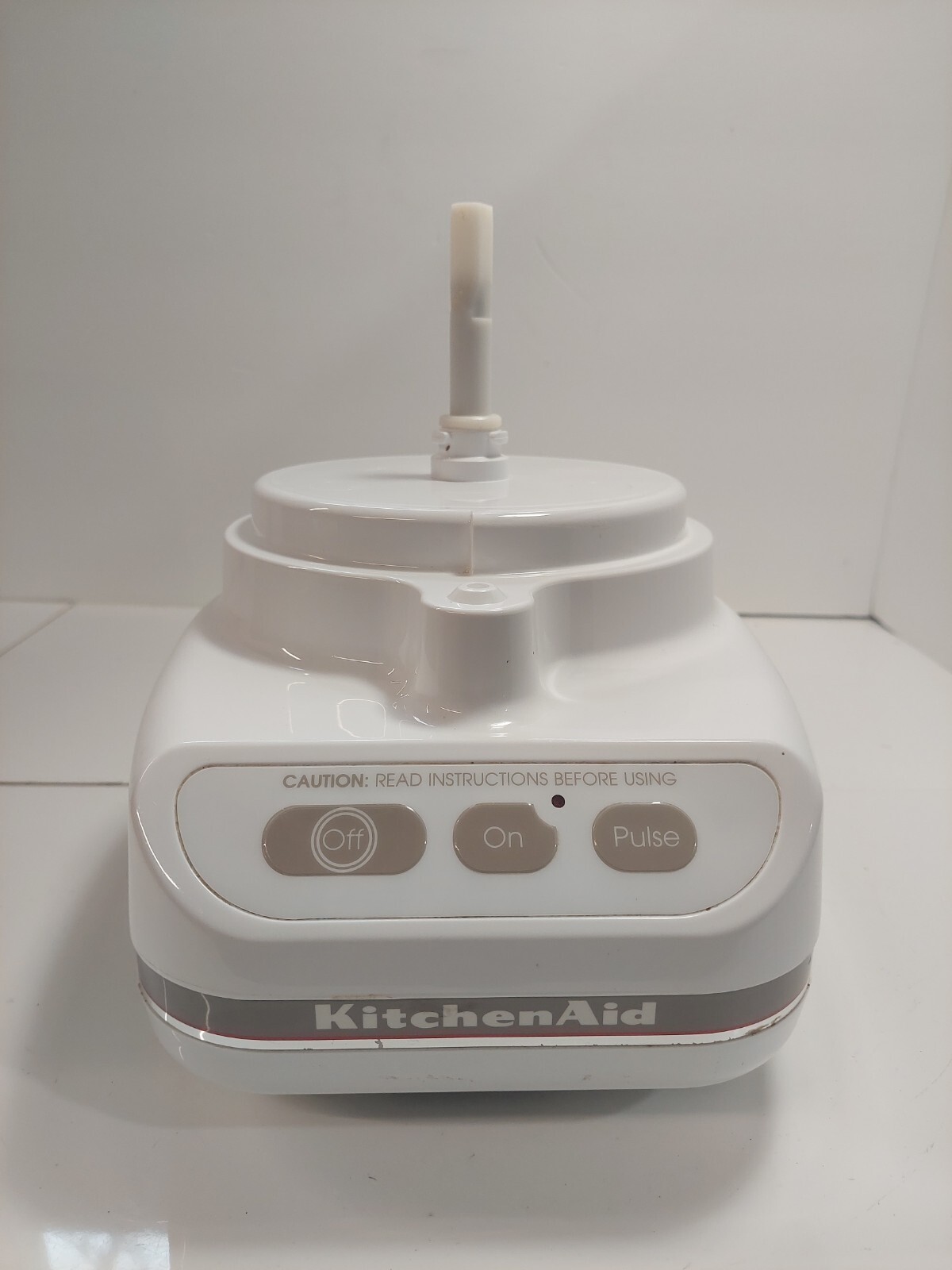
Wipe the motor base with a damp cloth. Do not place it in a sink, dishwasher, or other water-filled area. Keep liquids away from the motor and electrical parts. If food has entered the base or a liquid spill may have reached its openings, unplug the unit and seek suitable service advice before using it again.
Source: i.ebayimg.com
Wash removable parts
Clean the bowl, cover, pusher, and approved accessories according to the model’s care instructions.
Protect the motor base
Wipe it with a damp cloth and keep it away from direct water contact.
Dry before storage
Let removable parts dry fully to limit trapped moisture and unwanted odors.
Store cutting parts safely
Use the supplied storage case if available, or another secure place that protects the blades and your hands.
How to Remove Stuck Food Safely
Small pieces of onion, dough, cheese, or herbs can cling to the bowl or blade. Never scrape the bowl while the motor is running. Switch the machine off, unplug it, wait for all movement to stop, and remove the parts as described in the manual before clearing residue.
Use a suitable spatula or cleaning tool to lift food from the bowl. Do not use your fingers to clear a jam around a blade. If food is packed tightly around the drive area, do not pry against fragile plastic or force the blade free. Stop and check the manual for the safe removal method.
Unplug first
Disconnect the power before removing food, changing an attachment, or cleaning the unit.
Avoid sharp edges
Use a suitable tool and keep fingers clear of blades and cutting discs.
KitchenAid KFP600 Troubleshooting
When the KFP600 will not start or stops during use, begin with simple checks that do not involve opening the motor base. Make sure the plug is secure, the outlet works, and the bowl and lid are locked as directed. The machine’s safety interlock is designed to prevent operation when parts are not correctly positioned. Never try to bypass it.
If the processor runs but food is not being cut well, check the attachment and the way the ingredients are prepared. A slicing disc will not produce shredded food, and a dull, damaged, or incorrectly seated blade can affect the result. Turn off and unplug the unit before checking or changing any accessory.
A burning smell, smoke, damaged cord, sparking, or repeated abnormal noise is not a normal troubleshooting condition. Unplug the processor if it is safe to do so and stop using it. Do not open the electrical base or attempt an internal repair unless you have the proper skills and service information. A qualified appliance technician can assess faults that basic checks do not resolve.
Source: i.ebayimg.com
Problem: The processor will not start
Check the outlet and plug, then confirm that the bowl and lid are correctly locked. If it still will not start, stop and seek service advice.
Problem: The food is uneven
Check that you selected the correct blade or disc, cut food to a suitable size, and avoided overfilling.
Problem: The blade will not fit
Check the model and part number. Never force an attachment that does not seat correctly.
Problem: The motor stops during use
Switch off, unplug, and check for excessive food load or a jam. Let the unit cool if the manual directs it, and seek service if the fault returns.
Problem: The machine smells burnt or smokes
Stop use and disconnect power if safe. Do not restart it to see whether the problem goes away.
When Should You Stop Trying to Fix It?
Stop using the processor if its cord is frayed, the plug is damaged, the housing is cracked near electrical parts, or the bowl and cover no longer lock securely. Also stop if the machine produces smoke, sparks, or a persistent burning odor. These signs call for professional assessment rather than repeated test runs.
For a used machine, the cost of a missing bowl, lid, or drive part can change the value of the purchase. Compare the cost of suitable replacements and any repair estimate with the price of another processor. If essential parts cannot be found or the repair cost is too high, replacing the machine may be the more sensible option.
Do not bypass safety locks
The lid interlock is a safety feature, not a fault to work around.
Avoid unverified repairs
Use a qualified technician for internal motor, wiring, switch, or electrical faults.
Replacement Parts and Buying a Used KFP600
Finding the right replacement part is one of the biggest decisions for anyone keeping an older KitchenAid KFP600 in service. Parts listings may show bowls, covers, blades, discs, adapters, and other components, but a listing for the KFP600 does not mean every item is still available. Some model-specific parts may be discontinued or listed without stock.
Start with the identification label and the original instruction manual. Find the part name and number, then compare them with the seller’s information. Check the shape of the drive connection, the bowl locking points, and the cover tabs. A part that looks close in a photograph may still be unsuitable for the KFP600.
When shopping for a used machine in the United States, ask whether the processor has been tested under normal conditions and whether the sale includes all the parts shown. Request close-up pictures of the bowl, lid, blade, discs, cord, plug, and motor base. Ask about cracks, leaks, unusual noise, and any history of repair. A seller’s statement that the motor works is useful, but it does not confirm that all accessories fit or that every function works correctly.
Source: i.ebayimg.com
Confirm the exact part number
Match the number to the model and accessory described in a reliable parts catalog or official documentation.
Inspect plastic components
Look for cracks, broken tabs, warped edges, and damage around the locking points.
Check the cutting parts
Avoid blades and discs that are bent, badly worn, corroded, or missing required fittings.
Compare total cost
Include the purchase price, shipping, missing accessories, and any likely repair costs.
Is It Worth Buying a Used KitchenAid KFP600?
It may be worth considering if the machine runs normally, its essential parts are present, and the total cost is reasonable. An older processor can still serve useful kitchen tasks, but its age makes the availability of bowls, lids, and accessories a key part of the decision. Do not pay extra for attachments that the seller cannot identify or show clearly.
A newer food processor may be a better choice if you need a warranty, readily available replacement parts, or features that the KFP600 does not provide. Compare the capacity, attachments, condition, return policy, and cost of each option. A low purchase price does not make a damaged appliance a good deal.
Consider buying
The machine is in good condition, essential parts fit, and the price reflects its age and any missing accessories.
Consider walking away
The seller cannot confirm operation, the lid or bowl is damaged, the safety lock is unreliable, or the needed parts are hard to source.
Frequently Asked Questions
Q
How many cups does the KitchenAid KFP600 hold?
The KitchenAid KFP600 is an 11-cup food processor model. Its work bowl can handle many everyday preparation tasks, but the suitable amount depends on the type of food and the instructions for the specific task. Do not treat the full bowl capacity as a safe fill level for every recipe.
Q
Where can I find the KitchenAid KFP600 manual?
Look for the KitchenAid KFP600 Ultra Power Food Processor instruction manual through KitchenAid’s support resources or a manual archive such as ManualsLib. The manual covers assembly, operating controls, cleaning, food preparation tips, and safety. Check that the document refers to the 11-cup model before following its instructions.
Q
Are KitchenAid KFP600 parts still available?
Availability varies by part and seller. Some online catalogs list KFP600 bowls, covers, blades, discs, and other components, but individual parts may be out of stock or discontinued. Confirm the exact part number, current stock, condition, and return terms before ordering.
Q
Can I use a newer KitchenAid food processor blade in the KFP600?
Do not assume that a newer blade will fit. KitchenAid food processors can use different drive systems and attachment designs. Confirm compatibility through the exact model number and part number, or obtain confirmation from a reliable parts supplier. Never force a blade or use a part that does not lock or seat correctly.
Q
Is the KitchenAid KFP600 dishwasher safe?
The original manual states that removable food processor parts, apart from the motor base, are dishwasher safe. Check the care instructions for the exact component you own. The motor base must not be immersed in water or placed in a dishwasher. Unplug the machine before cleaning and handle all blades with care.
Q
Why will my KitchenAid KFP600 not turn on?
First, check that the outlet works and the power cord is connected. Then make sure the work bowl and lid are locked in the correct positions. The safety interlock may prevent operation when parts are not assembled correctly. If the processor still will not start, or if you notice a damaged cord, smoke, burning odor, or unusual noise, stop using it and seek qualified service.
✦ Wrapping Up
Conclusion
The KitchenAid KFP600 remains a useful food processor to consider when you need an 11-cup work bowl and tools for chopping, slicing, shredding, and selected dough tasks. Its value depends on the condition of the individual machine, the accessories included, and the availability of compatible replacement parts. A well-kept unit may still suit everyday meal prep, while a damaged or incomplete one can cost more to restore than expected.
Before buying or using a KFP600, identify the exact model, review the original manual, inspect the bowl and cover locks, and confirm that each cutting tool fits. Clean the removable parts as directed and keep water away from the motor base. If the appliance has electrical damage or a persistent fault, stop using it and seek qualified help.
💡 Key Takeaway
Before you buy or repair a KitchenAid KFP600, compare the model label, included accessories, part numbers, physical condition, and total cost. Start with the original 11-cup model manual, and never use damaged parts or bypass the safety interlock.