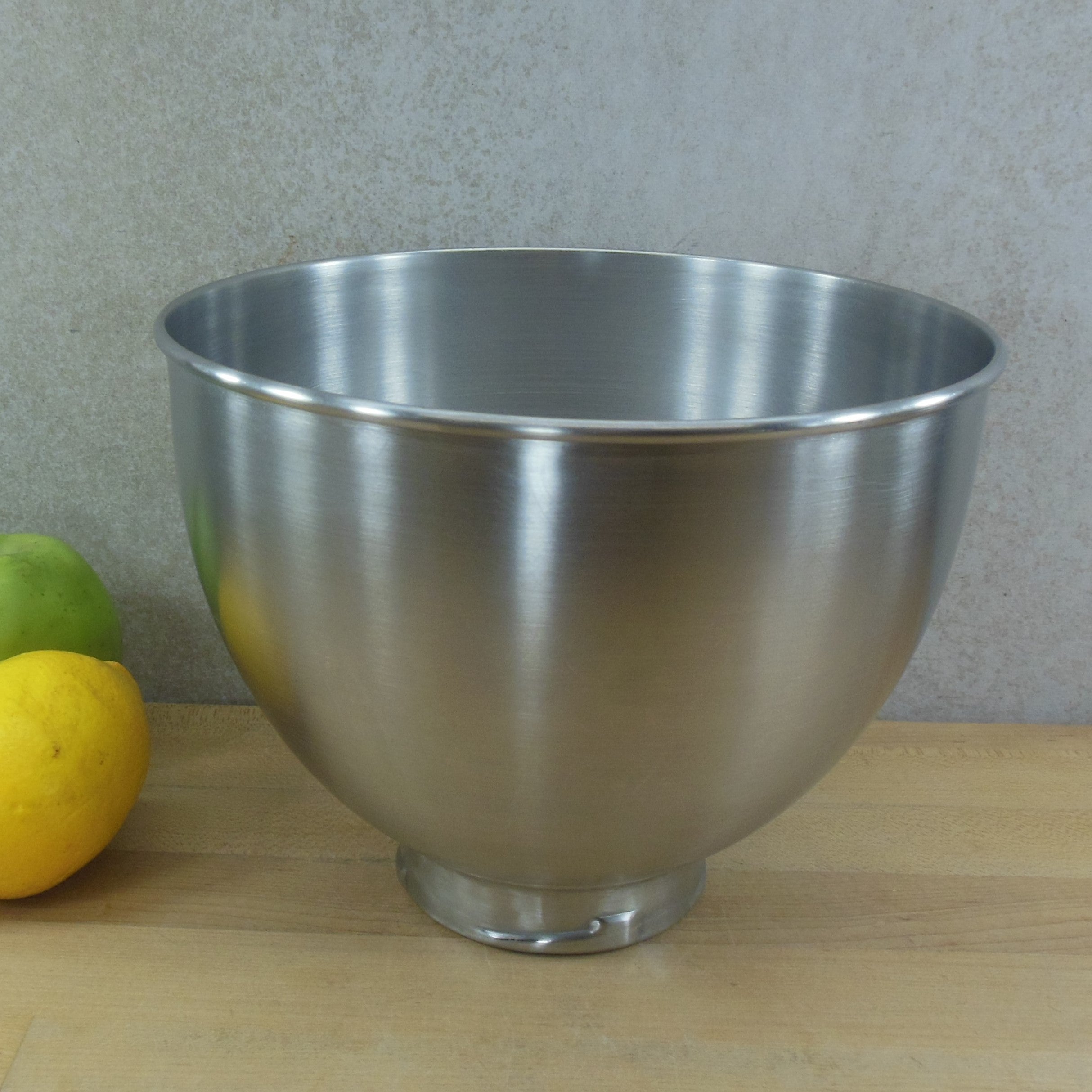
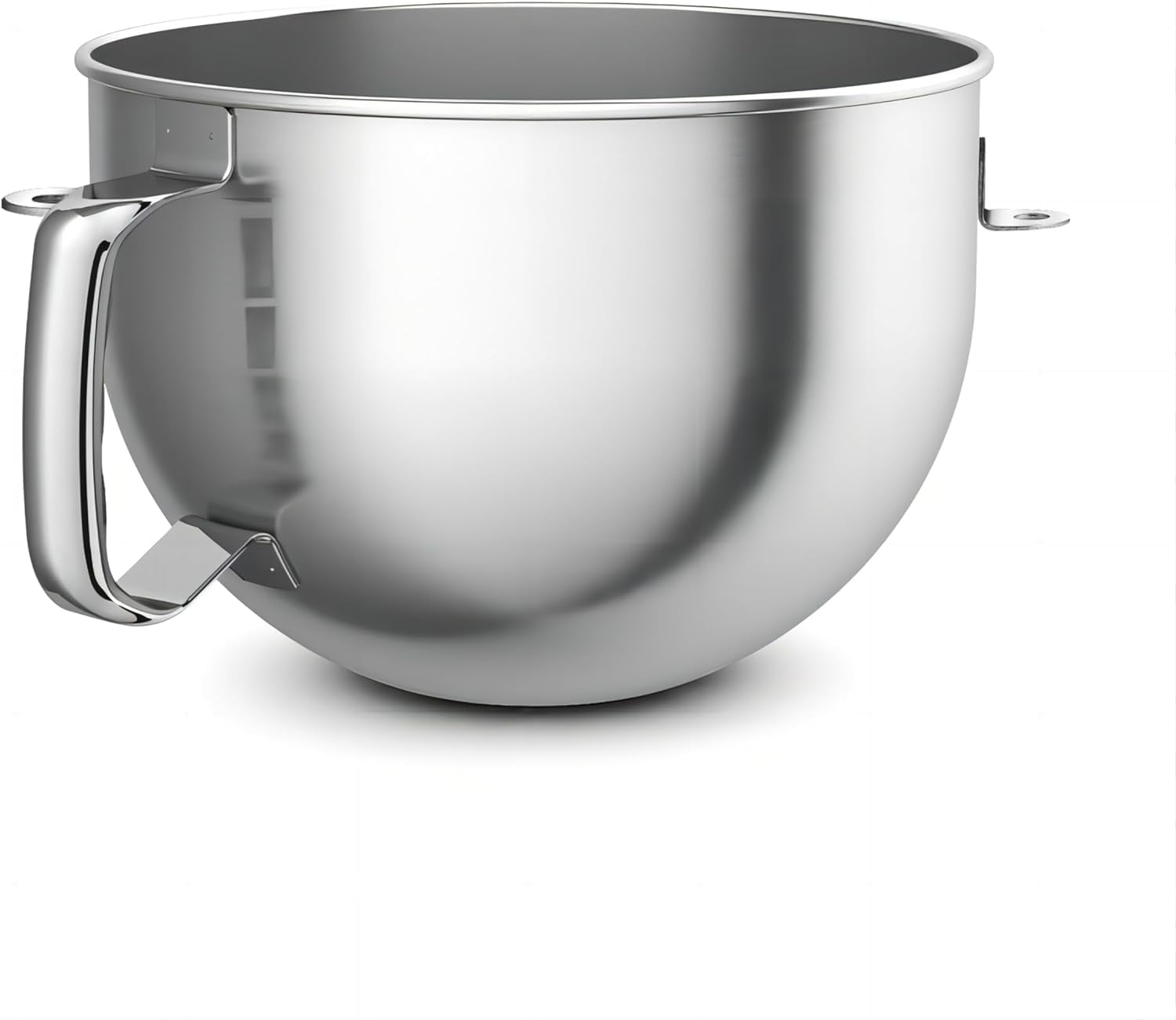
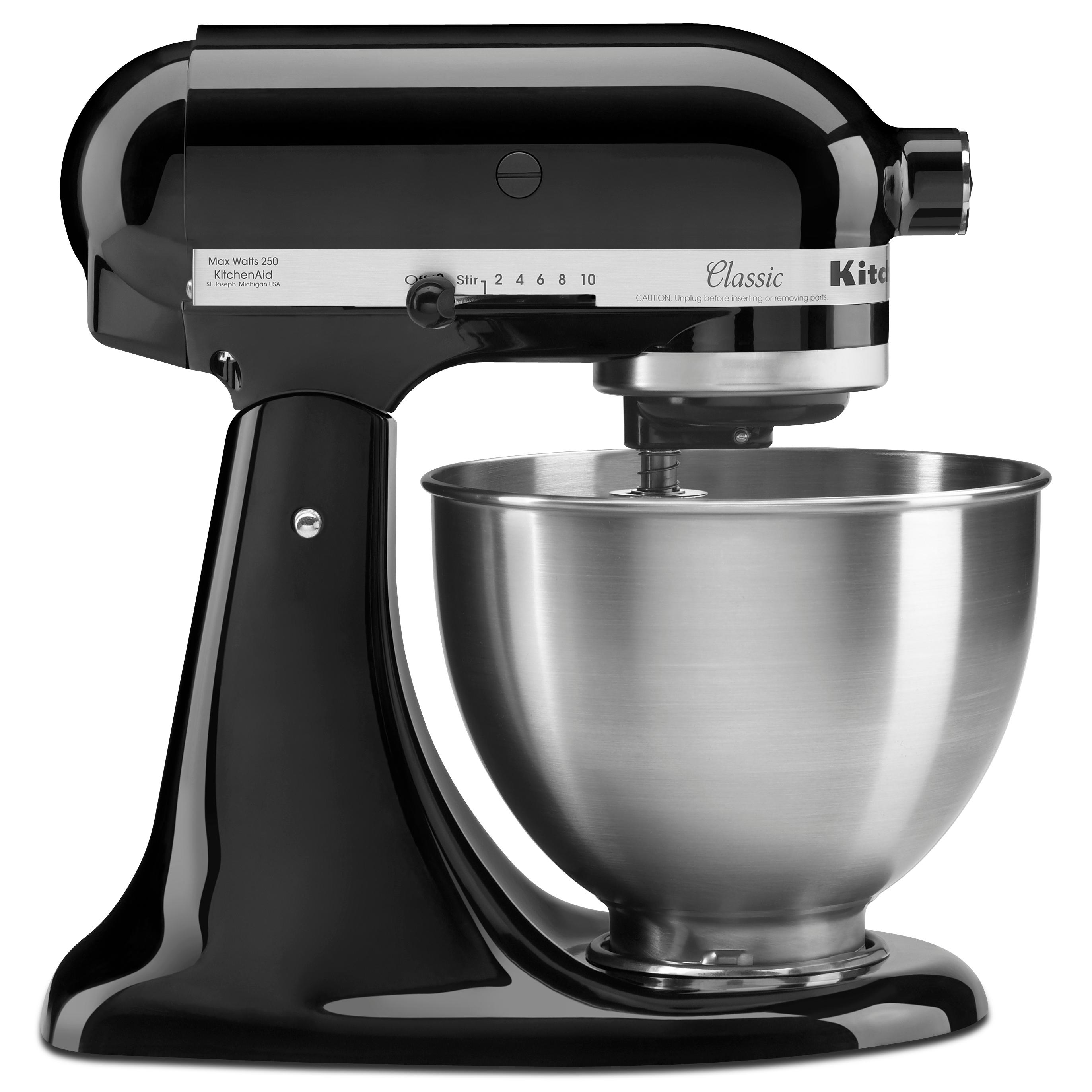
The KitchenAid K45 stand mixer bowl is a 4.5-quart mixing bowl made for compatible KitchenAid tilt-head stand mixers. Before buying a replacement, check your mixer’s full model number, bowl attachment style, and the part number listed by the seller.
In American kitchens, a stand mixer often earns its spot on the counter through years of baking cookies, mixing cake batter, and kneading bread dough. When its bowl gets scratched, dented, or lost, replacing it can seem simple. Yet not every KitchenAid bowl fits every mixer, even when the bowls look alike.
The KitchenAid K45 model name is linked to the Classic tilt-head mixer family and its 4.5-quart bowl setup. The K45SBWH is a commonly listed stainless steel bowl with a handle. The key is to match the replacement to your exact mixer rather than rely on capacity alone. This guide explains what to check, how to compare bowl types, and how to care for your new bowl.
The KitchenAid stand mixer bowl K45 is a mixing bowl associated with KitchenAid’s Classic 4.5-quart tilt-head stand mixer design. It holds ingredients while the mixer’s beater, dough hook, or wire whip works through them. The bowl must fit the mixer base and sit at the right height for the selected attachment.
One part number buyers may encounter is K45SBWH. Retail listings describe this as a stainless steel bowl with a handle and a capacity of 4.5 quarts. Part numbers help distinguish bowls that may look similar but have different features or fit requirements. Always confirm the complete number and compatibility details before placing an order.
The K45 name can also appear in listings for the mixer itself, not just the bowl. That can cause confusion when shopping online. Read the product title, description, and model details carefully to make sure you are buying a bowl rather than a complete mixer or another accessory.
Source: Catering Centre
Product type
A mixing bowl for a compatible KitchenAid stand mixer, commonly associated with the 4.5-quart Classic tilt-head design.
Common replacement reference
K45SBWH is a part number found in listings for a stainless steel bowl with a handle.
Main purpose
Holding and mixing ingredients for cakes, cookies, frosting, bread dough, and other recipes.
What Does K45 Mean?
K45 is a model designation associated with KitchenAid’s Classic stand mixer line. It is useful when searching for related bowls and parts, but it should not be treated as a complete compatibility guarantee. A seller may use K45 in a listing title to describe a mixer family, a compatible part, or a replacement accessory.
Look for the full model number on your mixer and compare it with the product’s stated compatibility. If the listing does not name your model or provide a clear part number, contact the manufacturer or seller before buying.
Check the full model number
Use the number on your appliance rather than relying only on K45 in a search result.
Read the item description
Confirm that the listing is for a bowl and that it names your mixer model or compatible model family.
What Does 4.5 Quart Mean?
A 4.5-quart bowl has a nominal capacity of 4.5 US liquid quarts, which is about 4.26 liters. This figure describes volume, not the weight of flour, dough, or another ingredient that the bowl can safely handle. Different mixtures take up different amounts of space and behave differently as they mix.
Do not fill the bowl to its rim when mixing. Ingredients can rise, splash, or move up the sides, especially during whipping or when flour is added. Follow the mixer manual’s guidance for ingredient limits and attachment use.
Capacity is not a dough rating
The weight and type of dough a mixer can handle depend on the appliance and the recipe, not bowl volume alone.
Which Bowl Fits a KitchenAid K45 Mixer?
The safest way to find a bowl for a KitchenAid K45 mixer is to match the appliance’s full model number with the replacement part’s official compatibility details. A bowl can have the same capacity as your original and still differ in the way it attaches to the base. A small difference in height or shape can also affect how well the mixing attachment reaches the ingredients.
Start by checking the model and serial information on your mixer. Then find the replacement bowl’s complete part number and review the manufacturer’s parts information. If you have an older appliance, do not assume that a current bowl is compatible just because a retailer groups it with other 4.5-quart products.
Third-party bowls may offer a lower price or a different handle design. However, their fit and finish can vary by manufacturer. Check the seller’s compatibility list, return terms, material description, and any stated limitations before ordering.
Source: bridge2list.co.uk
Match the model
Compare your mixer model number with the exact models named in the bowl’s compatibility information.
Match the attachment design
Check that the bowl uses the correct mounting or locking arrangement for your mixer.
Confirm the part number
Use the complete bowl part number to avoid confusing similar-looking products.
Check the return policy
A clear return policy is useful if the seller’s fit information is incomplete or your older model needs a different part.
Will Any KitchenAid 4.5-Quart Bowl Fit?
No. Capacity alone does not prove that a bowl will fit. KitchenAid has made different stand mixer designs and accessories, so a bowl intended for one product family may not work with another. Some models use a different bowl attachment system or require a bowl with a particular shape.
A listing that says only 4.5-quart KitchenAid bowl leaves an important question unanswered. Look for the exact compatible model family and part number. If the seller cannot confirm the fit, pause the purchase and ask for clarification.
Do not rely on appearance
Two stainless steel bowls can look almost identical while using different attachment designs.
Avoid forced installation
A bowl that does not settle into place easily may be the wrong type or may have a damaged attachment point.
Does a 5-Quart Bowl Fit the K45?
A 5-quart bowl is not automatically a suitable replacement for a K45 mixer. Some KitchenAid tilt-head mixers use bowls with different capacities, shapes, or attachment arrangements. The extra half quart does not establish that a larger bowl will lock into the K45 base or sit at the correct height.
Buy a larger bowl only when the manufacturer or a reliable parts listing explicitly confirms compatibility with your exact model. If you want more mixing capacity, check whether your mixer supports an approved larger bowl or whether a different mixer would better suit your needs.
Verify before upgrading
Confirm both the bowl attachment and the approved capacity for your specific mixer.
Stainless Steel vs. Other KitchenAid Bowl Materials
Stainless steel is a practical option for many home bakers because it is sturdy, does not shatter like glass, and suits a wide range of mixing tasks. A stainless steel K45 bowl is useful for cookie dough, cake batter, frosting, and many other recipes. The exact care instructions still depend on the product and its finish.
KitchenAid bowls may also be offered in other materials, including glass or coated metal, depending on the mixer family and accessory range. Those options can have different weights, care needs, and visible features. Material alone does not tell you whether a bowl fits your K45 mixer.
Choose a bowl based on verified compatibility, your usual recipes, and the way you prefer to handle and clean it. If your current bowl works well, a replacement in the same material and style may be the simplest choice.
Source: Walmart
Stainless steel
A versatile option for everyday mixing. Check the product instructions for dishwasher use and cleaning limits.
Glass
Can make ingredients easy to see, but it is heavier and may break if dropped. Confirm exact model compatibility.
Coated or specialty bowls
May have a distinct appearance or care requirements. Inspect the finish and follow the supplied cleaning guidance.
Why Many Bakers Choose Stainless Steel
A stainless steel bowl is a sensible choice for people who bake often and want a durable everyday vessel. It can handle many cold and room-temperature mixing tasks without the weight of a large glass bowl. Its metal surface also makes it easy to scrape out dough or batter with a suitable spatula.
Stainless steel is not immune to dents, scratches, or surface marks. Avoid striking the bowl against hard edges, and do not use harsh tools that can damage its finish. For stubborn residue, soak the bowl in warm water with dish soap before cleaning.
Useful for routine baking
Works for many common batters, cookie mixtures, frostings, and other ingredients.
Easy to handle
A metal bowl is generally lighter than a comparable glass bowl, though the weight varies by size and design.
How to Replace a KitchenAid K45 Mixing Bowl
Replacing a mixer bowl is usually a simple task when the new part is designed for the appliance. You do not need to remove the motor housing or take the mixer apart. The main steps are to disconnect the power, remove the old bowl, inspect the mounting area, and fit the replacement according to the mixer manual.
Before starting, make sure the mixer is switched off and unplugged. Let the bowl cool if it has recently held warm ingredients. Keep the work area dry and clear so the mixer cannot slide while you handle the bowl.
Once installed, check that the bowl is stable and properly seated before adding ingredients. Never start the mixer if the bowl rocks, sits at an angle, or fails to lock into place.
Source: Sears
Step 1: Unplug the mixer
Disconnect power before removing or fitting the bowl. Keep your hands away from moving parts.
Step 2: Remove the old bowl
Follow the manual’s instructions for releasing the bowl from its mounting system. Do not twist or pull with excessive force.
Step 3: Inspect the base
Check for dried food, damage, or debris that could prevent the new bowl from seating correctly.
Step 4: Fit the replacement
Place the bowl into the correct position and secure it using the method specified for your mixer.
Step 5: Check the fit
With the mixer still unplugged, confirm that the bowl sits evenly and remains secure.
What If the New Bowl Will Not Lock?
A bowl that will not lock may be incompatible, incorrectly positioned, or obstructed by food residue. Remove it and check the mounting area without using tools to force the connection. Compare the new bowl’s attachment points with those of the original bowl.
If the bowl still will not seat properly, stop. Recheck the model number and replacement part number, then contact KitchenAid support or the seller. Forcing the bowl can damage the attachment points and may leave the bowl unstable during mixing.
Check alignment
Make sure the bowl is positioned according to the instructions for your mixer.
Look for damage
Inspect the bowl and mounting points for bends, cracks, or other visible defects.
Confirm compatibility
Ask the manufacturer or seller to verify the exact model and part number if the fit remains uncertain.
How to Check Beater Clearance
The beater should move through the bowl without striking the metal surface. If the attachment hits the bowl or leaves a large amount of ingredients unmixed, the bowl may be wrong for the mixer, the attachment may be incorrect, or the mixer may need adjustment.
Do not run the motor to test a bowl that seems loose or incorrectly seated. Follow the model-specific manual for any beater-height adjustment. If metal contact continues after you verify the correct parts and settings, stop using the mixer and seek service.
Listen for contact
Scraping or repeated tapping between a metal attachment and the bowl is a reason to stop and inspect the setup.
Use the correct attachment
Make sure the beater, dough hook, or whisk is intended for the mixer model.
What Can You Make in a K45 Bowl?
A compatible 4.5-quart bowl can handle many everyday home baking tasks when used within the limits of the mixer. It is suitable for recipes such as cake batter, cookie dough, buttercream, whipped mixtures, and some bread doughs. The amount you can mix at once depends on the ingredients, the attachment, and the capacity limits in your appliance manual.
For a small batch of frosting, the bowl gives you room to blend butter and sugar without needing a separate large mixing vessel. For cookie dough, it holds the ingredients as they come together. For bread, use the approved dough hook and follow the manual’s speed and ingredient guidance.
Bigger is not always better when mixing small quantities. A large amount of empty space can make it harder for an attachment to reach a small batch. If you often make tiny portions, check whether the mixture reaches the attachment properly and use a suitable hand tool for very small amounts.
Source: amzn.to
Cake batter
Mix ingredients in the order and at the speed called for by the recipe and mixer manual.
Cookies
Add dry ingredients carefully to limit flour clouds and splashes.
Frosting
Start at a low speed and increase only when the ingredients are contained in the bowl.
Bread dough
Use the correct dough hook and stay within the manufacturer’s dough and speed limits.
Can You Mix Large Batches?
A 4.5-quart bowl has a set volume, but bowl capacity does not establish the maximum safe batch for every recipe. Dough can become heavy as it develops, while whipped mixtures may expand as air enters. Both the motor and the bowl have limits that matter.
Use the ingredient and dough guidance in your model’s manual rather than estimating from the bowl’s size alone. If your regular recipes exceed those limits, mix in smaller batches or consider a mixer designed for larger workloads.
Watch dough weight
Dense dough can place more strain on the mixer than a loose cake batter of similar volume.
Leave room to mix
Avoid filling the bowl to the rim, since ingredients can rise or spill during operation.
How to Clean and Maintain the K45 Bowl
Regular cleaning helps keep a KitchenAid bowl ready for your next recipe. After mixing, remove leftover batter or dough with a soft spatula, then wash the bowl according to the care instructions supplied with the product. If the instructions permit dishwasher cleaning, use the recommended method; otherwise, wash it by hand.
Warm water and mild dish soap are often enough for everyday residue. Let dried dough soak rather than scraping it with a knife. Avoid abrasive pads or harsh cleaners unless the manufacturer specifically approves them for the bowl’s finish.
Dry the bowl well before storing it. Keep it in a clean, dry place where it will not fall or collect debris around the mounting area. If you stack kitchen items inside it, avoid placing heavy objects against the rim or handle.
Source: eBay
Clean after use
Remove food promptly so dried batter and dough are easier to wash away.
Protect the finish
Use suitable cleaning tools and follow the care instructions for the exact bowl.
Inspect the rim and base
Look for dents, sharp edges, or damage around the mounting points before use.
Store it safely
Keep the bowl dry and avoid placing it where it could fall or become dented.
How to Remove Stubborn Dough or Grease
For stuck dough, fill the bowl with warm water and a small amount of dish soap. Let the residue soften, then wipe it away with a soft sponge. Repeat the soak if needed instead of scraping hard against the surface.
For greasy residue, wash the bowl with dish soap and rinse it well. Dry it with a clean towel or let it air-dry in a safe place. If a stain remains, consult the manufacturer’s care guidance before trying a strong cleaner.
Soften first
A short soak can loosen residue without harsh scraping.
Skip metal scouring tools
Hard tools may scratch the surface or leave marks.
When Should You Replace the Bowl?
Consider replacing the bowl if it has a deep dent, a damaged mounting point, a sharp edge, or a defect that prevents it from sitting securely. Surface marks alone do not always mean the bowl needs replacement, but any damage that affects fit or safe handling deserves attention.
If the bowl no longer locks into place or the mixing attachment repeatedly strikes it, stop using the mixer until you identify the cause. The problem may be a mismatched bowl or another worn component, so inspect the complete setup before ordering parts.
Replace damaged parts
Do not continue using a bowl with structural damage or unsafe edges.
Check before discarding
Verify whether the problem comes from the bowl, attachment, or mixer before buying a replacement.
Where to Buy a KitchenAid K45 Replacement Bowl
You can look for a replacement through KitchenAid’s official parts and accessories channels, authorized sellers, and established kitchen supply retailers. Marketplace listings may also offer new or used bowls, but the buyer must check the item details and seller terms with care. Availability and prices can change, so compare current listings rather than relying on an old price.
Search using the full part number, such as K45SBWH, along with your mixer model. A search for only KitchenAid bowl may return products for other mixer families. Read the complete description and inspect photos of the base, rim, handle, and attachment points before ordering.
For a used bowl, ask whether it has dents, repairs, sharp edges, heavy wear, or signs of poor storage. Request clear photos of the actual item rather than relying only on a stock image. If the bowl is sold without a return option, confirm compatibility before paying.
Source: KitchenAid
Official parts channels
Useful for checking documented compatibility and identifying the correct replacement part.
Kitchen supply retailers
May provide detailed specifications, seller support, and clear return terms.
Online marketplaces
Can offer new or used parts, but model compatibility and item condition need careful checking.
What to Check Before You Pay
A low price does not help if the bowl does not fit. Compare the total cost, including shipping and any return fees, with the price of a confirmed compatible replacement. Also check whether the listing includes only the bowl or bundles it with other parts.
If you cannot find a clear answer about compatibility, send the seller your full mixer model number and ask for written confirmation. Keep that reply with your order details in case the item arrives and does not match the description.
Exact part number
Make sure the listing names the part you intend to purchase.
Condition
Check for dents, corrosion, damaged edges, and worn mounting points.
Return terms
Review the deadline, shipping responsibility, and any restocking fee.
Seller details
Prefer listings with clear specifications and a reliable way to resolve fit or condition problems.
Frequently Asked Questions
Q
Is the KitchenAid K45 bowl 4.5 quarts?
The K45 Classic mixer is associated with a 4.5-quart bowl setup. A commonly listed replacement, the K45SBWH, is described as a 4.5-quart stainless steel bowl with a handle. Confirm the capacity and part number on the specific listing before buying.
Q
What is the KitchenAid K45SBWH bowl?
K45SBWH is a part number used in listings for a KitchenAid stainless steel mixing bowl with a handle and a 4.5-quart capacity. Check the current manufacturer’s parts information or a reliable seller listing to confirm that it fits your exact mixer model.
Q
Can I use a 5-quart bowl on my K45 mixer?
Not unless compatibility is explicitly confirmed for your mixer. Bowl capacity does not establish that the attachment points, height, or shape will fit. Check the full model number and the replacement bowl’s documented compatibility before purchasing.
Q
Is the KitchenAid K45 stainless steel bowl dishwasher safe?
Dishwasher safety depends on the exact bowl and its care instructions. Check the product documentation or manufacturer’s listing for your part number. If the instructions do not clearly approve dishwasher use, wash the bowl by hand with mild dish soap and a soft sponge.
Q
Why does my K45 beater scrape the bowl?
Possible causes include an incompatible bowl, an incorrect attachment, or a beater-height setting that needs adjustment. Turn off and unplug the mixer before inspecting the setup. Follow the manual for your model, and stop using the mixer if the attachment continues to strike the bowl.
Q
How do I find the correct replacement bowl part number?
Find the full model number on your mixer, then use the manufacturer’s parts information or contact KitchenAid support. Compare the recommended bowl part number with the seller’s listing. Do not rely on capacity or a product photo alone.
✦ Wrapping Up
Conclusion
The KitchenAid stand mixer bowl K45 is a practical replacement to consider when your compatible Classic mixer needs a new mixing bowl. A 4.5-quart stainless steel option such as the K45SBWH can suit many everyday baking jobs, from cookie dough to cake batter. The right choice still depends on the exact appliance model and bowl attachment design.
Before buying, verify the part number, check the manufacturer’s compatibility details, and review the seller’s return policy. Once the bowl is fitted, make sure it sits securely and that the mixing attachment moves without striking the sides. Careful checking now can help you avoid a costly mismatch and get back to baking.
💡 Key Takeaway
Find your mixer’s full model number, confirm the recommended bowl part number, and compare the fit details before placing an order.