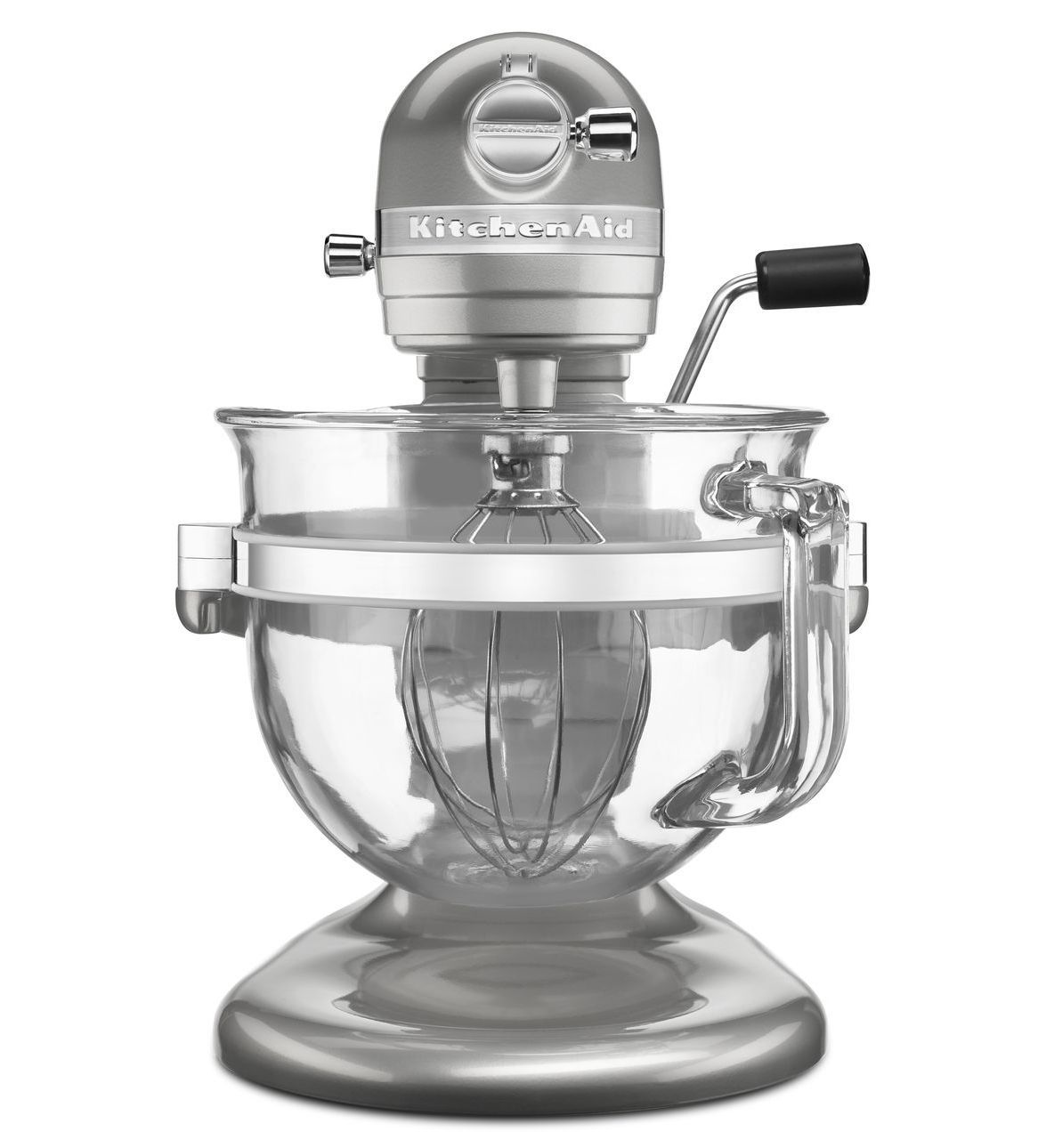
The KitchenAid Professional 600 is a 6-quart bowl-lift stand mixer, but not every glass bowl fits every Professional 600 model. Check your exact model number and the bowl’s approved compatibility before buying a replacement. The original glass bowl was also offered with certain related models, so appearance alone is not enough to confirm a match.
In American kitchens, a large stand mixer can handle much more than a small batch of cookies. It can mix bread dough, whip egg whites, blend cake batter, and help prepare food for family gatherings. That is why many US home bakers look for a glass bowl that fits a KitchenAid Professional 600. A clear bowl lets you see the mix as it moves, which can make it easier to spot dry flour or uneven batter.
The key detail is the mixer model, not just its size. KitchenAid sells bowl-lift and tilt-head mixers, along with bowls made from glass, stainless steel, and other materials. Its official guidance warns that these bowls are not all interchangeable. Before spending money on a glass replacement, check the full model number, the bowl’s part number, its lift design, and the beater requirements. This guide explains those checks and shows how to avoid a costly mismatch.
Source: i.pinimg.com
What Is the KitchenAid Professional 600 Glass Bowl?
The KitchenAid Professional 600 is a large, bowl-lift stand mixer with a nominal 6-quart capacity. The classic KP26M1X family is one example of this mixer line. Its bowl rests on support arms that lift into the mixing position. This design differs from a tilt-head mixer, where the motor head lifts away from the bowl.
A glass bowl offers a clear view of the ingredients. You can check whether flour remains at the bottom, see how well cream is whipping, and watch dough come together. Some bakers also like glass because it does not retain the same visible scratches as metal. However, glass is heavier and can break if dropped or struck against a hard surface.
The term Professional 600 glass bowl can refer to a glass bowl supplied with a related KitchenAid bowl-lift model, a compatible replacement part, or a bowl shown in an online listing. Those descriptions are not proof of fit. The exact model and part number must match the intended mixer.
Source: recipeswise.com
Mixer type
The Professional 600 uses a bowl-lift design. Do not assume a glass bowl made for a tilt-head mixer will fit.
Bowl capacity
A 6-quart rating describes nominal capacity, not a guarantee that every 6-quart bowl has the same shape or mounting points.
Material
Glass makes ingredients easy to see, while stainless steel is usually lighter and less likely to shatter.
Why Some Professional-Style Mixers Have Glass Bowls
KitchenAid has offered different bowl and finish combinations across its stand mixer range. Some models, including certain Pro 600 Design Series versions, are associated with glass-bowl configurations. That does not mean every mixer sold under the Professional 600 name came with glass.
A glass bowl can be useful when you want to watch the mixture without stopping the machine. Yet the bowl must still lock into the supports correctly and work with the correct mixing tools. Never choose a bowl based only on its color, handle, or stated capacity.
Visual control
A clear wall helps you see ingredients as they blend.
Model-specific design
Mounting points and beater clearances matter more than the bowl’s appearance.
Does a Glass Bowl Fit the Professional 600?
A glass bowl fits only when its design and part number are approved for the specific mixer model. The Professional 600 name alone is not enough to confirm compatibility. KitchenAid explains that bowl-lift, tilt-head, and mini tilt-head bowls belong to different mixer types and should not be treated as interchangeable.
The distinction matters because a bowl must sit securely on the supports, remain stable during mixing, and provide the correct clearance for the beater. A bowl that looks close to the original may still have different mounting points or a different inner shape. Even a small mismatch can cause poor mixing or create a risk of damage.
Before buying a replacement, compare the model printed on the mixer with the compatible-model list supplied by KitchenAid or the authorized parts seller. If the listing says it fits a Professional 600, ask which exact model numbers it supports. When that information is missing, contact KitchenAid support rather than guessing.
Source: assets.wfcdn.com
Check the mixer model
Look for the complete model code on the appliance label or in its original paperwork.
Check the bowl part number
Use the number on the original bowl or the manufacturer’s parts listing to confirm the replacement.
Check the mounting system
Confirm that the bowl is designed for your bowl-lift model and seats fully on both supports.
Check the mixing tools
Confirm that the included or existing beater, whip, and dough hook are approved for that bowl configuration.
How to Find Your KitchenAid Model Number
Switch off and unplug the mixer before moving it to inspect its label. Depending on the model, the identification label may be on the underside or another part of the mixer body. Use the location described in the owner’s manual if you cannot find it.
Write down the full code, including letters and numbers. A short description such as Professional 600 or 6-quart mixer may refer to several versions. Keep a photo of the label so you can compare it with a parts listing without mixing up similar model names.
Record the full code
Include every letter and number rather than recording only the series name.
Match the replacement
Use the exact model code when checking the bowl’s supported models.
What If the Seller Says It Fits All 6-Quart Mixers?
Treat a broad compatibility claim as incomplete until the seller provides a model list or a verified part number. Six-quart capacity does not guarantee identical bowl supports, height, or beater clearance.
If the seller cannot confirm the exact model, wait before ordering. A return may be possible, but shipping a heavy glass bowl back can cost time and money. A verified match is the safer choice.
Ask for proof
Request the manufacturer’s compatible-model list or an exact replacement-part reference.
Avoid forced fitting
Never bend the supports, alter the bowl, or force the bowl into place.
Glass Bowl vs. Stainless Steel Bowl
Glass and stainless steel can both work well for baking, but each has clear trade-offs. Glass helps you see the mixture and may suit bakers who like to monitor ingredients from the side. Stainless steel is generally easier to lift and is less likely to break if it slips from your hands.
A glass bowl can feel heavy when filled with dough or batter. It also needs careful handling around the sink, counter edges, and other hard objects. Stainless steel may show marks or scratches over time, but those marks do not automatically mean the bowl needs replacement.
For many people who bake often, the best material is the one that fits the mixer, suits the tasks, and is easy to handle safely. Do not trade a verified bowl fit for a material preference. A well-matched stainless steel bowl is more useful than an incompatible glass one.
Source: i5.walmartimages.com
Glass bowl benefits
The clear sides help you inspect ingredients and see whether dry mix remains near the base.
Glass bowl limits
It is heavy, breakable, and may have care or temperature limits set by its maker.
Stainless steel benefits
It is lighter to handle in many cases and can tolerate the bumps of routine kitchen use better than glass.
Stainless steel limits
You cannot see the mixture through the sides, and the surface may develop marks with use.
Which Bowl Is Better for Bread Dough?
For bread dough, fit and the correct dough hook matter more than whether the bowl is clear. Dough can place a heavy load on the mixer, so use the dough hook and speed settings specified in the manual for your model.
A stainless steel bowl is often easier to lift when a dough batch is heavy. A compatible glass bowl may also be suitable for the tasks allowed by its manufacturer, but inspect it first and avoid impact or sudden temperature changes.
Follow the dough guidance
Use the recommended speed, batch size, and mixing time for the mixer.
Watch the load
Stop if the mixer shifts, makes unusual noises, or struggles with the dough.
Which Bowl Is Better for Cake Batter and Whipped Cream?
For cake batter, a clear bowl makes it easier to see flour streaks or unmixed ingredients. For whipped cream or egg whites, the shape of the bowl and the correct wire whip are key factors. The bowl and tool must be approved for the mixer together.
No bowl material removes the need to stop the mixer and scrape the sides when the recipe calls for it. Turn the machine off before using a spatula near the beater. Never scrape the bowl while the mixer is running.
Cake batter
Check the sides and base for unmixed flour before pouring the batter into a pan.
Whipped mixtures
Use the right wire whip and follow the recipe’s guidance for speed and bowl preparation.
How to Choose the Right Replacement Glass Bowl
The safest way to choose a replacement is to start with the mixer model, then verify the bowl part number, mounting design, and accessory requirements. Do not start with the lowest price or the most attractive color. A bowl that does not fit correctly is not a bargain.
If you are shopping in the United States, check the manufacturer’s US parts and support pages first. Authorized sellers may also list compatible models and replacement numbers. When buying from a marketplace, compare the listing details with the official information and ask the seller to confirm the exact code.
Used bowls need an extra check. Photos may hide tiny chips around the rim, handle, or mounting area. Ask for clear pictures of those spots and the bowl’s base before paying. If the seller cannot show them, consider another listing.
Source: toolsandtoys.net
1. Identify the mixer
Write down the complete model code from the identification label.
2. Confirm the bowl part
Look for the original part number or an officially listed replacement for that model.
3. Check tool compatibility
Verify whether the bowl requires a specific beater, dough hook, or wire whip.
4. Review the condition
Inspect the rim, base, handle, and mounting points for damage or wear.
5. Confirm return terms
Check whether you can return the bowl if the delivered part differs from the listing.
Questions to Ask Before Buying a Used Bowl
Ask the seller for the bowl’s model or part number, its original mixer model, and close-up photos of all contact points. Ask whether it has been dropped or has any chips, cracks, cloudy patches, or repairs.
A seller may not know the original model, especially if the bowl came from an estate sale or an old appliance. In that case, compare its markings and shape with manufacturer records. Do not rely on a seller’s guess or a visual match alone.
Look for chips
Small chips can be hard to see in a wide product photo, so request close-ups.
Check the handle
Make sure there are no cracks or signs of damage around the handle attachment.
Ask about the history
Find out whether the bowl has been dropped, repaired, or exposed to sudden temperature changes.
Should You Buy a Glass Bowl Without Its Original Accessories?
Only buy a bowl without accessories after checking which tools your mixer needs. Some glass-bowl bowl-lift configurations use special beater accessories. A standard tool set may not be the correct match for every glass bowl.
If you already own the right tools, confirm their compatibility with the replacement bowl. If you need a new beater or hook as well, include that cost when comparing listings. A cheaper bowl can become an expensive purchase if it needs extra parts.
Confirm the tool set
Check the approved flat beater, wire whip, and dough hook for the exact bowl configuration.
Compare the total cost
Include shipping, replacement tools, and any return fees before choosing.
How to Install and Check a Replacement Bowl
Once you have confirmed the bowl is compatible, fit it with the mixer switched off and unplugged. Keep the counter clear and make sure your hands are dry. The bowl should seat in its intended supports without force or awkward movement.
Follow the owner’s manual for your exact model because the lifting mechanism and bowl attachment details can differ. Raise or lower the bowl as directed, then check that it is secure before installing the approved mixing tool. Do not run the mixer if the bowl rocks, sits unevenly, or fails to lock into place.
Before adding food, check the beater clearance according to the manual. The beater should not strike the bowl during normal operation. If it does, stop and unplug the mixer. Do not bend the bowl supports or change the beater height unless the manufacturer’s instructions call for that adjustment.
Source: i.pinimg.com
Prepare the mixer
Switch it off, unplug it, and clear the area around the bowl supports.
Seat the bowl
Follow the model-specific instructions and confirm that the bowl rests securely on the supports.
Install the correct tool
Use only the beater, whip, or dough hook approved for that bowl and mixer.
Check the clearance
Confirm that the tool does not strike the bowl before mixing food.
Stop if anything seems wrong
Unplug the mixer if the bowl shifts, the beater hits the sides, or the lift mechanism feels unusual.
Signs That the Bowl May Not Fit Correctly
A compatible bowl should sit securely in its intended position. Warning signs include a loose fit, uneven seating, difficulty raising the bowl, or a beater that touches the bowl. Any of these issues calls for a stop and a compatibility check.
Do not try to solve a fit problem by pushing harder. A wrong bowl or accessory can damage the mixer, scratch the bowl, or create a hazard during use. Recheck the model and part numbers, then contact KitchenAid support if the reason is not clear.
Uneven seating
Remove the bowl and check whether the part number and mounting design are correct.
Beater contact
Stop using the mixer until the tool and bowl fit have been verified.
Unusual movement
Check the lift supports and consult the owner’s manual before using the mixer again.
Cleaning and Caring for a Glass Mixer Bowl
Good care helps keep a glass bowl clear and ready for use. Let the bowl cool to a safe handling temperature after use, then clean it according to the instructions for that exact part. Avoid sudden changes in temperature, such as placing a hot bowl into cold water, unless the manufacturer explicitly allows that use.
Do not assume every glass bowl is dishwasher-safe just because it is made of glass. Follow the care label or owner’s information for the bowl model. If dishwasher use is allowed, load the bowl so it cannot knock against other dishes. Hand washing can be a sensible option when you are unsure or want to limit impacts.
Use a soft sponge and suitable dish soap for everyday cleaning. Avoid abrasive pads that may scratch the surface. Dry the bowl and inspect the rim, base, and handle area before putting it away. Store it where it cannot slide off a shelf or strike heavy cookware.
Source: i.pinimg.com
Wash with care
Use a soft sponge and follow the cleaning instructions supplied with the bowl.
Avoid thermal shock
Do not expose the bowl to sudden hot-to-cold or cold-to-hot changes unless approved by its maker.
Check before each use
Look for cracks, chips, or damage around the rim, base, and handle.
Store it safely
Place the bowl on a stable shelf with enough room to prevent knocks and falls.
Can You Put the Glass Bowl in the Microwave or Oven?
Do not assume that a mixer bowl is safe for an oven or microwave. Glass products differ in their intended use, and a bowl designed for stand-mixer mixing may not be approved for heating. Check the exact bowl instructions before placing it in any appliance.
The same rule applies to a freezer or other cold-storage use. If the maker does not clearly approve the intended use, keep the bowl for its stated purpose. Using it outside its design limits can lead to breakage or injury.
Check the official care guide
Look for clear approval for the specific appliance and temperature range.
Do not guess
If the guidance is unclear, contact the manufacturer before heating or freezing the bowl.
When Should You Replace a Glass Bowl?
Replace a bowl that has a crack, a chip in a stressed area, or damage around its handle or mounting points. Do not keep using a damaged bowl because it still holds liquid. Mixing puts force on the bowl, and existing damage may worsen.
If the bowl has been dropped, inspect it closely even if no damage is easy to see. When you suspect a crack or cannot tell whether a damaged spot is safe, stop using the bowl and ask the manufacturer for guidance.
Cracks
Stop using the bowl and replace it with a verified compatible part.
Chipped rim or base
Do not ignore chips that may weaken the glass or affect safe handling.
Damaged mounting area
Replace the bowl if damage could prevent secure seating on the mixer.
Common Problems and Practical Fixes
Most bowl-related problems begin with a mismatch, poor seating, damaged glass, or the wrong mixing tool. Check these causes before assuming the mixer motor has failed. Always switch off and unplug the appliance before inspecting the bowl or beater.
If the bowl fits but ingredients remain on the sides, that may be a mixing issue rather than a bowl defect. Stop the machine before scraping down the sides, and check the recipe, batch size, and recommended speed. If the beater hits the bowl or the mixer behaves in an unusual way, stop using it until the cause is resolved.
Source: i.pinimg.com
Problem: The bowl will not sit in place
Check the full mixer model and bowl part number. Do not force the bowl or alter the supports.
Problem: The beater strikes the bowl
Stop the mixer and verify the approved beater, bowl, and clearance instructions.
Problem: Ingredients stay on the sides
Switch off the mixer, scrape the bowl with a suitable spatula, and review the batch size.
Problem: The glass looks cloudy
Clean it using the recommended method and inspect it for scratches or other damage.
Problem: The bowl feels loose
Remove it and check its mounting points, the lift supports, and the model compatibility information.
When to Contact KitchenAid Support
Contact KitchenAid support if the part number is unclear, the official compatibility details conflict, or the bowl does not seat correctly despite following the manual. Have the complete mixer model number and any bowl part number ready.
If the lift mechanism is damaged, the mixer makes a new grinding noise, or the beater contacts the bowl during operation, do not keep testing it with food. Ask the manufacturer or a qualified service provider how to proceed.
Share the model code
Provide the complete code from the appliance label.
Describe the fault
Explain whether the bowl rocks, fails to lock, or makes contact with the beater.
Ask about approved parts
Request the correct bowl and accessory numbers for your exact model.
Frequently Asked Questions
Q
Does the KitchenAid Professional 600 come with a glass bowl?
Some related Professional 600 Design Series models were sold with glass-bowl configurations, while many standard Professional 600 mixers came with stainless steel bowls. The supplied bowl depends on the exact model and package. Check the model code and original product details rather than assuming every Professional 600 includes glass.
Q
Can I use a 6-quart glass bowl on any KitchenAid 6-quart mixer?
No. The same capacity does not guarantee the same mounting design or beater clearance. KitchenAid advises buyers to check bowl compatibility by mixer type and model. Confirm the exact bowl part number and approved model list before installing a replacement.
Q
Will my standard Professional 600 beater work with a glass bowl?
Not necessarily. Some bowl-lift glass-bowl models use special mixing tools, so a standard beater may not be the right match. Check the accessory information for your exact mixer and bowl combination before use. Never run the mixer if the beater touches the bowl.
Q
Is a glass bowl better than stainless steel for a Professional 600?
Glass offers a clear view of the ingredients, which can help you spot dry flour or uneven batter. Stainless steel is generally lighter and less likely to shatter if dropped. The better choice depends on your needs, but both materials must be approved for your exact mixer.
Q
How do I know whether my KitchenAid glass bowl needs replacing?
Look for cracks, chips, damage around the handle, and wear near the mounting points. Stop using the bowl if you find damage that could affect its strength or safe fit. Replace it with a part verified for your mixer model.
Q
Can I put my KitchenAid Professional 600 glass bowl in the dishwasher?
Dishwasher safety depends on the exact bowl model and its care instructions. Do not assume all KitchenAid glass bowls share the same cleaning rules. Check the manufacturer’s guidance and load the bowl so it cannot strike other dishes.
Q
Where can I find the correct replacement glass bowl?
Start with KitchenAid’s official US parts and support pages or an authorized parts seller. Use your full mixer model number and compare it with the bowl’s part number and compatible-model list. If the listing does not name your model, ask for confirmation before ordering.
✦ Wrapping Up
Conclusion
The KitchenAid mixer Professional 600 glass bowl can be a useful choice for bakers who want to see their ingredients while mixing. Still, a clear bowl is only a good choice when it fits the mixer and works with the correct accessories. The Professional 600 name and 6-quart capacity alone do not confirm compatibility.
Start by finding the full model code on your mixer. Then compare that code with the glass bowl’s part number, approved model list, and accessory requirements. If you are buying used, inspect the glass and mounting areas closely. These simple checks can help you avoid a poor fit and protect both the bowl and the mixer.
💡 Key Takeaway
Before buying, write down your full Professional 600 model number, verify the glass bowl’s part number with KitchenAid or an authorized seller, and confirm that the correct mixing tools are included or available.