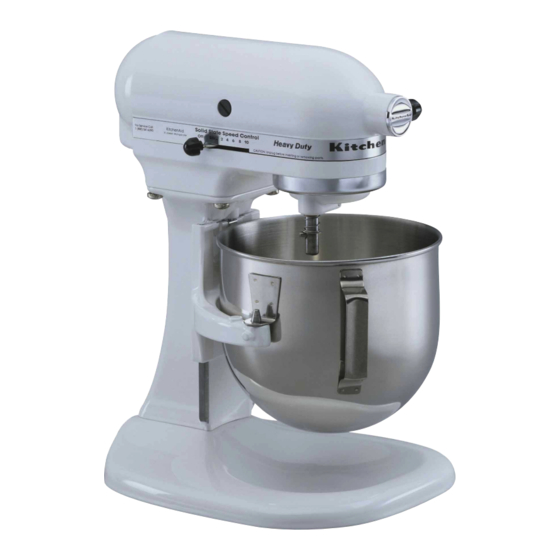
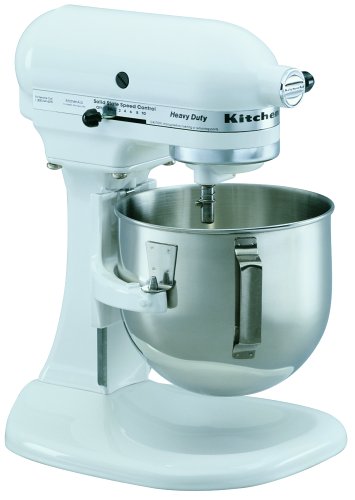
The KitchenAid K5SSWH is a white Heavy Duty Series stand mixer with a 5-quart bowl and a listed 325-watt motor. It can help with common baking tasks, including mixing cake batter, whipping cream, and kneading suitable dough. Before buying a used unit, check its exact configuration, condition, accessories, and parts compatibility.
In American kitchens, a stand mixer can earn its place on the counter during holiday baking, weekend bread making, and the rush to prepare a birthday cake. The KitchenAid stand mixer K5SSWH is an older model that may interest home bakers who want a traditional mixer without paying the price of a new premium appliance. Its white finish also suits many classic kitchen styles.
This guide uses available manufacturer information and the model’s published instructions to explain the mixer’s key features, everyday uses, maintenance needs, and common buying risks. It does not claim hands-on testing or a personal cooking experience. Since this is an older model, buyers should confirm details on the actual machine instead of relying on a seller’s title or a similar-looking mixer.
The KitchenAid K5SSWH is part of the Heavy Duty Series of stand mixers. KitchenAid’s owner information identifies the model with a 325-watt motor, while the model designation and product documentation associate it with a white finish and a 5-quart mixing bowl. These details make it useful to distinguish from other KitchenAid mixers that have similar shapes but different parts.
A stand mixer uses a powered motor to move a mixing attachment through ingredients in a bowl. This leaves your hands free to add ingredients, prepare pans, or measure the next part of a recipe. For many home bakers, that convenience matters most when a recipe needs steady mixing for several minutes.
The K5SSWH is an older model, so its present condition may matter more than its original specifications. Two mixers with the same model number can have very different histories. One may have received careful maintenance, while another may have worn parts, a damaged cord, or a bowl that was replaced with an unsuitable one.
Source: foodprocessorsstore.com
Model
K5SSWH, the white version of the Heavy Duty Series stand mixer.
Motor rating
KitchenAid’s owner information lists a 325-watt motor. Wattage alone does not establish mixing speed, dough capacity, or overall performance.
Bowl capacity
The model is associated with a 5-quart bowl. Actual bowl fit and included capacity should be confirmed before purchasing replacements.
Main purpose
Mixing, beating, whipping, and handling suitable dough recipes with the correct attachment.
How to Identify the Exact Model
Look for the model and serial information on the appliance’s identification label. Record the complete model number, including the letters at the end. A listing that says only K5SS may refer to a related model rather than the exact white K5SSWH version.
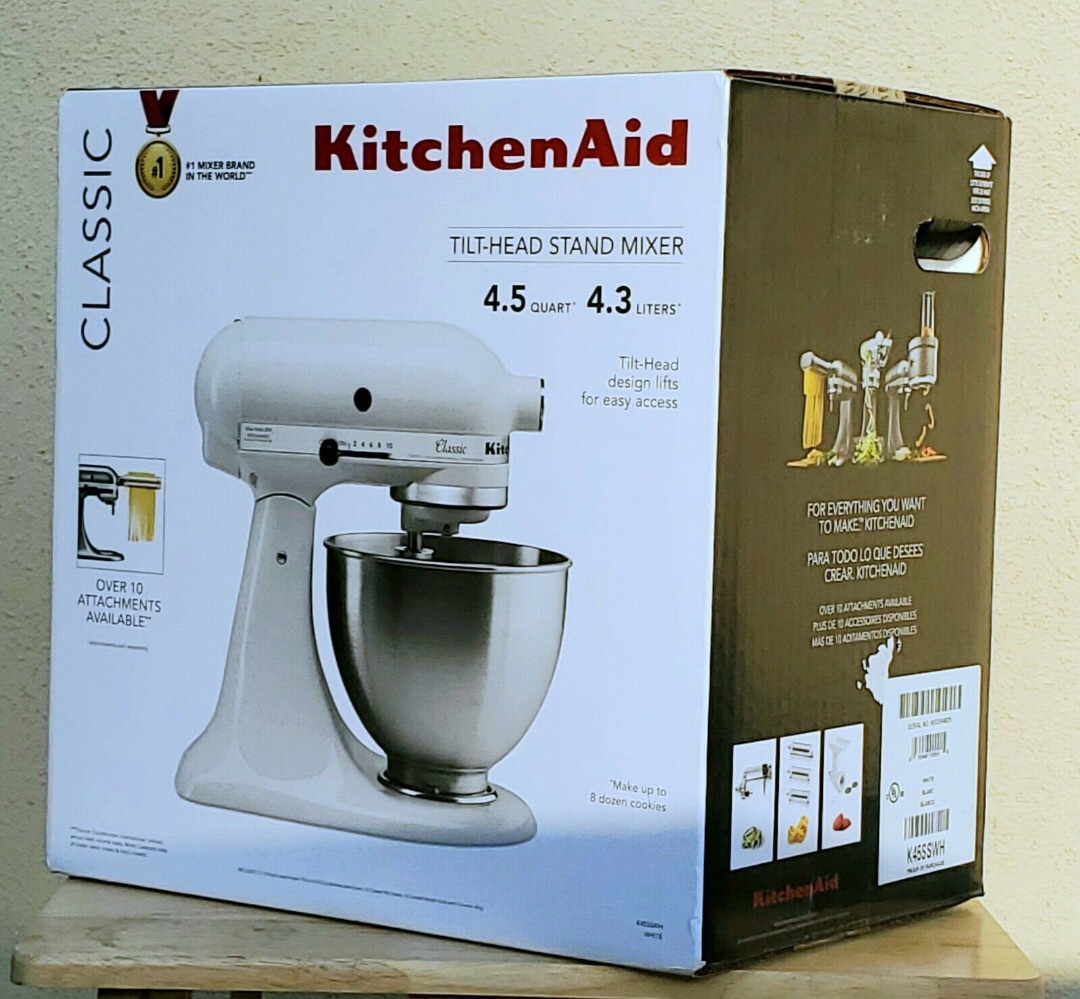
Compare the label with KitchenAid’s owner information and the instructions for the unit. Check the bowl attachment points, the head design, the speed lever, and the accessory hub. These physical details help resolve confusion when a seller uses generic pictures or mixes information from several models.
Read the label
Use the complete model number when searching for manuals, bowls, and replacement parts.
Check the physical design
Do not assume that a similar-looking mixer has the same bowl system or attachments.
Key Features and Everyday Baking Uses
The K5SSWH is designed to handle a range of common kitchen mixing tasks. The motor drives an attachment that works through the contents of the bowl, helping combine ingredients with less manual effort. The right attachment and speed depend on the recipe, so more power or a higher speed is not always the right choice.
A 5-quart bowl provides room for many everyday baking recipes, though capacity is not the same as a guaranteed batch size. Thick dough, airy mixtures, and wet batters behave in different ways. Follow the model’s instructions and the recipe’s limits rather than filling the bowl to its rim.
The white exterior gives this model a simple, classic look. It may suit someone who wants an appliance that blends with white cabinets or other light-colored kitchen items. However, a clean exterior does not prove that the motor or internal parts are in good condition.
Source: storage.googleapis.com
Cake batter
Use the flat beater for suitable cake and cupcake mixtures, following the recipe’s mixing times.
Cookie dough
The flat beater can combine butter, sugar, eggs, and dry ingredients. Add flour carefully to limit dust.
Whipped cream
Use the wire whip with cold cream and a suitable speed. Watch the bowl closely because cream can move from soft peaks to an overwhipped texture.
Bread dough
Use a compatible dough hook for suitable dough recipes. Respect the instructions on speed and batch size.
What the Motor Rating Does and Does Not Tell You
The listed 325-watt rating is a specification, not a direct measure of how well the mixer will perform with every recipe. Mixing results also depend on the attachment, ingredients, batch size, speed, and condition of the machine. An older mixer may not behave like a new unit if its parts have worn or it has not been maintained.
Do not compare mixers using wattage alone. Look at the design, recommended dough limits, warranty status, service options, and the work you plan to do. If you often make dense dough in large batches, check the manual’s limits before choosing this or any other stand mixer.
Use the right speed
Start slowly when combining dry ingredients and follow recipe guidance for each mixing stage.
Avoid overload
Reduce the batch size if the motor labors, the attachment struggles, or the mixture exceeds the model’s stated limits.
Bowl, Attachments, and Compatibility
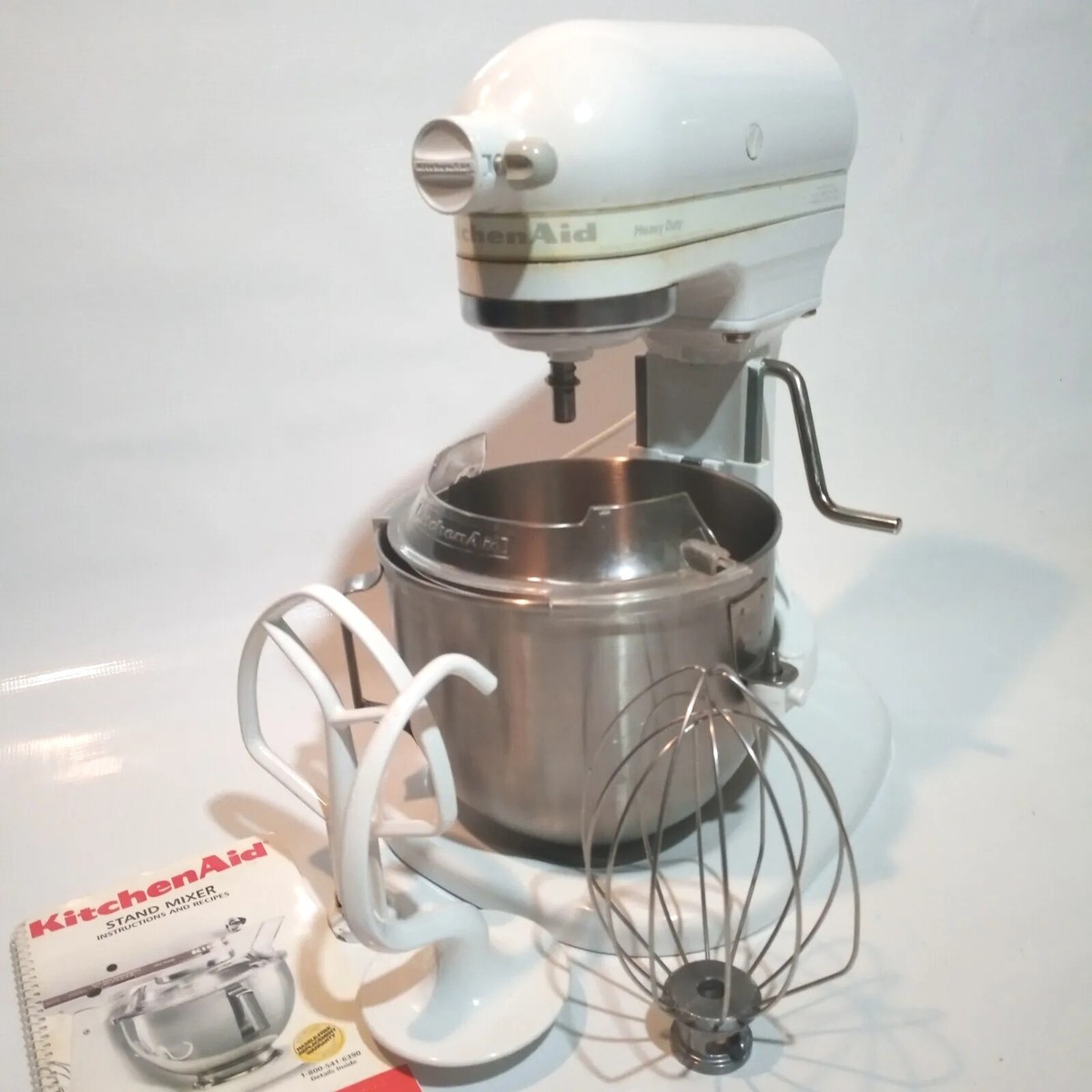
The bowl and attachments determine what you can make with a stand mixer. The usual mixing tools include a flat beater for general mixing, a wire whip for adding air, and a dough hook for suitable dough. Before ordering anything, confirm that the accessory is approved for the exact K5SSWH configuration.
KitchenAid has produced several mixer families over many years. Some parts look almost identical but differ in their attachment points, dimensions, or intended use. A bowl advertised as fitting a KitchenAid 5-quart mixer is not enough proof that it will fit this specific model.
The accessory hub on compatible KitchenAid stand mixers can support certain optional tools, such as a food grinder or pasta-making attachment. Compatibility depends on the attachment and the mixer model. Check the product’s model list and instructions before spending money on an accessory.
Source: buenaobiesiess.blogspot.com
Flat beater
For many batters, cookie mixtures, and other general mixing jobs.
Wire whip
For whipping cream, egg whites, and other mixtures that benefit from added air.
Dough hook
For kneading dough within the limits specified for the mixer.
Optional hub tools
Potentially useful for grinding, rolling, or other food-preparation tasks when the attachment is confirmed compatible.
How to Buy the Correct Replacement Bowl
Start with the complete model number and, if possible, the part number from the original bowl. Compare the bowl’s shape, capacity, mounting system, and manufacturer compatibility information. If the seller cannot confirm the fit, ask KitchenAid support or a qualified parts supplier before ordering.
Inspect a used bowl for dents, cracks, deep scratches, damaged mounting points, and signs of a poor repair. Make sure it locks securely into the mixer. Never force a bowl that does not fit or use a damaged bowl that cannot remain stable during mixing.
Verify the part number
Match the replacement to the exact mixer model, not just the brand or capacity.
Check the mounting points
The bowl should fit and lock as the instructions describe, without force or wobble.
Check the accessory condition
Reject cracked, bent, badly corroded, or poorly repaired parts.
Can You Use Modern KitchenAid Attachments?
Some modern KitchenAid attachments may work with older stand mixers, but compatibility is not universal. The attachment’s current product information should list supported models or model families. Check that information before buying, especially for powered or specialized accessories.
A matching brand name does not guarantee a correct fit. When the available product page does not name the K5SSWH or an applicable model family, ask the manufacturer or supplier for confirmation.
Check official compatibility
Use KitchenAid’s model and accessory information rather than relying on a seller’s broad claim.
Confirm regional details
An attachment sold outside the United States may have different documentation, supply options, or support arrangements.
How to Use the K5SSWH for Better Results
Good mixing starts with a stable machine, the correct attachment, and a recipe that suits the bowl. Set the mixer on a dry, level counter with enough space around it. Read the model’s manual before the first use, especially if the appliance was bought secondhand or came without its original instructions.
Measure ingredients before switching the mixer on. Large amounts of flour can create a cloud of dust, while cold butter can place extra strain on the mixing process. Add ingredients in the order the recipe specifies and keep the speed within the recommended range.
Watch the mixture instead of relying only on the clock. A cake batter may need little mixing after the flour goes in, while whipped cream needs close attention as it thickens. Stop the machine before scraping the bowl or changing attachments.
Source: storage.googleapis.com
Step 1: Inspect the mixer
Check the cord, plug, bowl, attachment, and exterior for visible damage. Do not use the appliance if electrical parts are damaged.
Step 2: Fit the bowl and tool
Secure the correct bowl and attachment according to the model’s instructions.
Step 3: Add ingredients
Measure the ingredients and keep the total amount within the manual’s limits.
Step 4: Start at a suitable speed
Begin slowly when combining ingredients that may splash or create dust, then adjust as the recipe directs.
Step 5: Stop before making adjustments
Turn the mixer off and wait for the attachment to stop before scraping, removing a tool, or reaching into the bowl.
Tips for Cake Batter and Cookie Dough
For cake batter, use the attachment and mixing sequence recommended by the recipe. Scrape the sides only after switching off the mixer. Once flour is added, avoid unnecessary mixing because it can affect the texture of many cakes.
Cookie dough can be thick, especially when it contains chilled butter, nuts, or chocolate pieces. Add ingredients in stages and use a batch size suited to the machine. If the mixer strains or the attachment stops moving normally, switch it off rather than forcing it through the mixture.
Keep flour under control
Start slowly and add dry ingredients in manageable portions.
Follow the recipe
Mix until the stated texture is reached instead of extending the mixing time without a reason.
Tips for Whipped Cream and Dough
For whipped cream, use cold cream and a clean wire whip. Watch for the desired peaks and stop promptly. If you keep whipping after the cream reaches the right stage, it can become grainy and may begin to separate.
For dough, follow the specified hook, speed, and batch size. Thick dough can place a greater load on the drive system than a light cake mixture. Stop if the mixer makes unusual noises, shifts on the counter, or shows signs of strain.
Stay nearby
Do not leave the mixer running unattended, especially during whipping or dough work.
Use the manual’s limits
Do not assume that a 5-quart bowl can safely hold any 5-quart recipe.
Cleaning, Care, and Long-Term Maintenance
Routine care helps keep a stand mixer clean and ready for use. After each baking session, switch it off and unplug it before removing attachments or wiping the machine. Let any hot parts cool before cleaning them, and follow the care directions supplied for the exact model.
Wash the bowl and removable tools according to their material and the manufacturer’s instructions. Some older attachments have different care requirements from newer ones. If you are unsure whether a part is dishwasher-safe, hand-wash it until you can confirm the instructions.
Wipe the motor housing with a soft, slightly damp cloth and dry it. Never immerse the motor housing, cord, or plug in water. Keep liquid away from openings, switches, and electrical parts. Avoid harsh cleaners and abrasive pads that may damage the finish.
Source: fity.club
After each use
Unplug the mixer, remove the tools, clean food residue, and dry the parts before storage.
Inspect the cord
Look for cuts, exposed wires, loose plugs, or heat damage. Stop using the mixer if you find an electrical fault.
Check for loose parts
Look for damaged mounting points, loose controls, or a bowl that no longer locks securely.
Store it dry
Keep the mixer in a clean, dry place away from moisture and heavy impacts.
When Does a Mixer Need Service?
A change in sound, speed, smell, or movement can signal a problem. A mixer that suddenly struggles with a previously manageable recipe may be overloaded, but the cause could also be a worn or damaged component. Switch it off if you notice burning odors, smoke, sparks, electrical problems, or severe grinding sounds.
Do not open the motor housing or attempt electrical repairs unless you have the required training and the correct service information. KitchenAid provides owner support and replacement-part resources, but the availability of parts and service for an older model should be checked before paying for a repair.
Stop using it
Unplug the mixer if you see smoke, sparks, damaged wiring, or other signs of an electrical fault.
Record the symptoms
Note when the noise or speed problem occurs, which attachment is fitted, and whether the bowl or tool moves abnormally.
Seek qualified help
Ask KitchenAid support or an appliance repair professional to assess problems involving internal electrical or drive components.
Common K5SSWH Problems and Practical Checks
When an older stand mixer fails to work as expected, begin with simple external checks. Make sure the outlet works, the plug is fully inserted, and the speed control is in the correct position. If the appliance still fails to run, stop rather than repeatedly switching it on in the hope that it will recover.
A mixer that runs unevenly or makes unusual sounds needs a closer look. First remove the load by switching it off and unplugging it. Check the bowl and attachment for visible damage, and review the instructions for correct assembly. Do not touch moving parts or try to adjust the attachment while the motor is running.
Some problems need a repair professional. A burning smell, sparks, smoke, repeated loss of power, or a strong grinding noise is not a reason to continue testing the mixer. Disconnect it from power if safe to do so and arrange an assessment.
Source: animalia-life.club
Mixer does not start
Check the outlet and plug from a safe position. If power is available but the mixer remains unresponsive, seek service.
Speed seems inconsistent
Turn the mixer off, check for overload, and review the speed instructions. Continued problems may need professional diagnosis.
Attachment hits the bowl
Stop immediately and check the correct attachment and bowl assembly. Do not bend the tool or force the bowl into place.
Mixer moves or shakes
Stop the machine and check the work surface, feet, load, and bowl fit. Do not use it if it remains unstable.
Burning smell or sparks
Unplug the appliance if safe, discontinue use, and arrange qualified service. Do not continue running it to test the fault.
How to Decide Between Repair and Replacement
Compare the full repair cost with the price of a suitable replacement. Include the diagnostic fee, labor, shipping, parts, and the possibility that another worn component may fail later. A low purchase price can lose its appeal when several repairs are needed.
The decision also depends on the fault and your plans. A mixer with a sound body and a minor, confirmed repair may be worth keeping. A unit with electrical damage, severe internal wear, uncertain parts availability, or multiple faults deserves a more careful cost comparison.
Repair may make sense
The fault is clearly diagnosed, the needed part is available, and the total cost fits your budget.
Replacement may make sense
The machine has several costly faults, essential parts are unavailable, or its condition cannot be assessed with confidence.
Buying a Used KitchenAid K5SSWH in the United States
A used K5SSWH can be worth considering if the price reflects its age and condition. In the United States, local resale listings, estate sales, thrift stores, and online marketplaces may offer older kitchen appliances. Actual availability and prices change, so compare current listings rather than relying on an old advertised price.
Ask the seller for clear photos of the model label, bowl, attachments, power cord, controls, and any damage. If an in-person inspection is possible, ask permission to test the mixer with a suitable load. It should be assembled correctly and used according to its manual, with the buyer keeping hands and utensils away from moving parts.
A seller’s statement that a mixer works is useful but not conclusive. It does not prove that every speed works properly, that the unit can handle dense dough, or that replacement parts will be easy to find. Check the return policy and ask about known faults before paying.
Source: eBay
Check the full model number
Confirm that the machine is a K5SSWH rather than a related K5SS or another similar model.
Inspect the bowl and tools
Look for dents, cracks, corrosion, bent attachments, and incorrect replacement parts.
Test basic operation safely
If the seller allows it, check the controls and listen for abnormal sounds using a suitable recipe or test load.
Ask about repairs
Find out whether the motor, speed controls, cord, or other parts have been repaired or replaced.
Calculate the total cost
Include missing attachments, replacement parts, shipping, taxes, and likely service costs.
A Simple Used-Mixer Cost Comparison
Use a full-cost comparison instead of choosing the lowest sticker price. For example, suppose one used mixer costs $90 but needs a $45 replacement bowl and $30 in shipping. Its known cost becomes $165 before taxes or any repair. A second mixer that costs $150 with a sound bowl and working attachments may be the better value, but only if its condition and fit are verified.
These figures are hypothetical examples, not current market prices for the K5SSWH. Replace them with actual quotes and listings. Also consider whether the seller offers a return period and whether you can obtain the correct parts if something fails.
Purchase price
The amount paid to the seller.
Missing parts
The cost of a correct bowl, beater, whip, dough hook, or other needed component.
Shipping and taxes
Extra charges that may change the final cost.
Repair allowance
A realistic amount based on an actual diagnosis or quote, not a guess about internal condition.
Where to Find Manuals and Replacement Parts
Start with KitchenAid’s owner information for model K5SSWH and its manuals page. The manufacturer can help identify suitable parts and support options. The published K5SSWH instructions are also available through ManualsLib, which can be useful if the original booklet is missing.
KitchenAid’s official parts resources and authorized suppliers can help with replacement accessories and selected components. Availability varies by part and model, so confirm the precise part number before placing an order. Do not assume that every internal component remains available simply because some external parts are listed.
The KitchenAid K5SSWH is associated with a 5-quart mixing bowl. If you are buying a replacement, verify the bowl’s part number and fit against the complete model number. Bowl capacity alone does not prove compatibility.
Q
How many watts is the KitchenAid K5SSWH?
KitchenAid’s owner information lists the K5SSWH with a 325-watt motor. This is the documented motor rating, not a guarantee of performance with every ingredient or dough batch. Follow the model’s instructions for appropriate speeds and batch limits.
Q
Is the KitchenAid K5SSWH still worth buying?
It may be worth buying if the mixer is in good working condition, includes the needed accessories, and costs less than a suitable alternative after all expenses. Check the model label, controls, cord, bowl, attachments, and available parts. An unusually low price is not a bargain if major repairs are needed.
Q
Can the K5SSWH knead bread dough?
The mixer can handle suitable dough recipes with a compatible dough hook, provided the batch and speed stay within the model’s instructions. Dense dough can put a heavy load on the drive system. Do not assume that every bread recipe or large batch is suitable.
Q
Are KitchenAid K5SS and K5SSWH parts interchangeable?
Some parts may be shared, but the similar model names do not establish universal compatibility. Check the part number and the manufacturer’s fit information for the exact mixer. Confirm bowl mounting, attachment dimensions, and any model-specific limits before ordering.
Q
Where can I find a manual for the K5SSWH?
You can start with KitchenAid’s K5SSWH owner information at https://www.kitchenaid.com/owners-center-pdp.K5SSWH.html. A published instruction manual is also listed at https://www.manualslib.com/manual/372139/Kitchenaid-K5sswh-Heavy-Duty-Series-Stand-Mixer.html. Use the instructions that match your appliance and verify any uncertain configuration details.
Q
What should I do if my K5SSWH smells like it is burning?
Stop the mixer and unplug it if you can do so safely. Do not keep running it to see whether the smell goes away. A burning odor can signal overheating or an electrical or mechanical fault, so arrange an assessment by KitchenAid support or a qualified appliance repair professional.
✦ Wrapping Up
Conclusion
The KitchenAid stand mixer K5SSWH is an older white Heavy Duty Series model with a listed 325-watt motor and a 5-quart bowl. It can serve common baking needs, from cake batter and cookie dough to whipped cream and suitable bread dough. Its real value depends on the machine’s condition, the accessories that come with it, and whether the correct replacement parts are available.
For a used mixer, careful checks are more useful than a seller’s promise or a low price. Confirm the full model number, inspect the bowl and tools, check basic operation safely, and calculate the cost of any missing parts or repairs. Use the correct manual and stop using the appliance if you notice electrical damage, smoke, sparks, or other serious warning signs.
💡 Key Takeaway
Before buying or repairing a KitchenAid K5SSWH, record its complete model number, compare it with KitchenAid’s owner information, inspect the included accessories, and confirm part compatibility. Then compare the total cost with a suitable alternative.