Choose a KitchenAid tilt-head mixer for everyday home baking and easy bowl access. Choose a bowl-lift mixer for larger batches, a more substantial setup, and frequent heavy mixing. Your batch size, counter space, and baking habits matter more than the design alone.
In American kitchens, a stand mixer can help with birthday cakes, holiday cookies, homemade bread, and weekend pancakes. KitchenAid offers two common stand mixer designs: tilt-head and bowl-lift. Both mix ingredients with a rotating attachment, but they hold the bowl in different ways. That small design change affects how you add ingredients, remove the bowl, and handle large batches.
The right choice depends on what you make most often. A person who bakes a cake every Sunday may value easy access more than a large bowl. Someone who makes several loaves of bread each week may care more about bowl capacity, stability, and the mixer’s specifications. This guide compares the two designs, explains their trade-offs, and helps you choose without paying for features you may never use.
Source: i.pinimg.com
What Is the Difference Between KitchenAid Bowl Lift and Tilt Head?
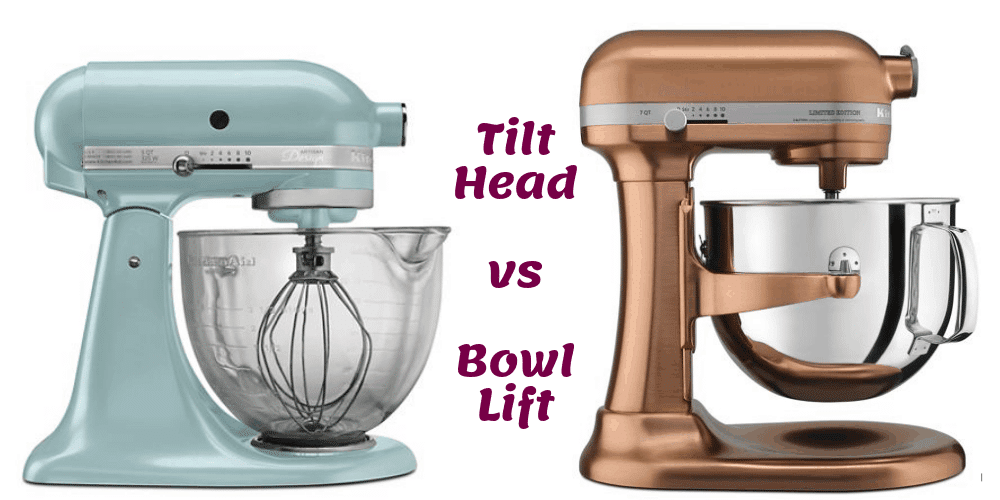
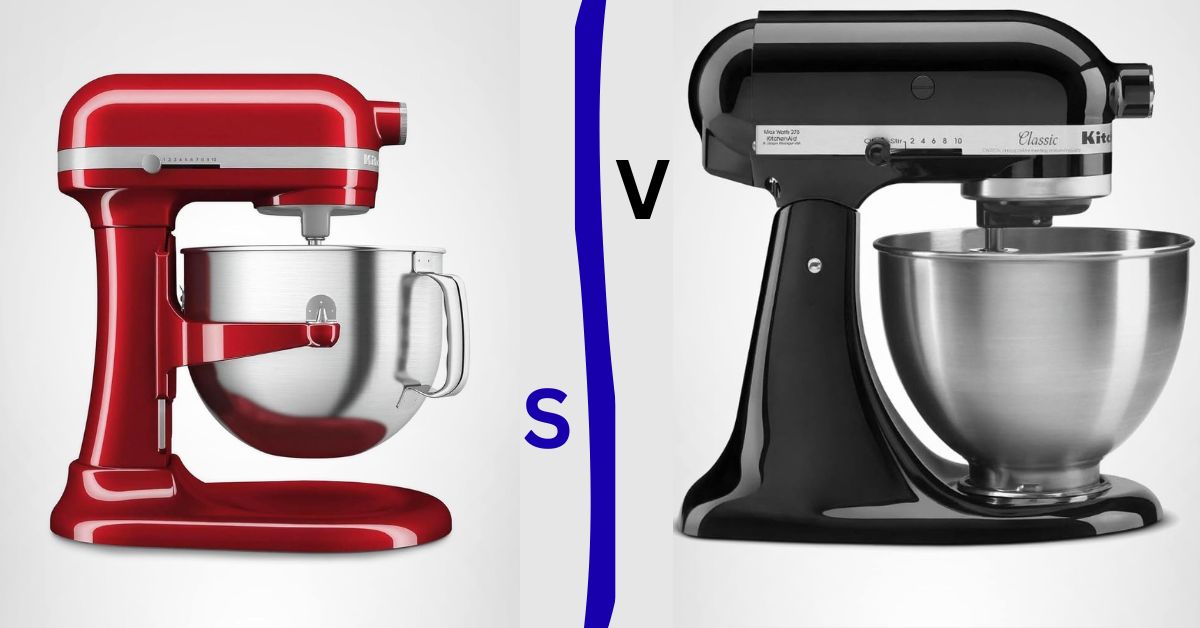
The main difference is how you access and secure the mixing bowl. A tilt-head mixer has a hinged head that lifts away from the bowl. A bowl-lift mixer keeps its head fixed and uses a lever to raise or lower the bowl. Both designs hold a mixing attachment over the bowl and move it through the ingredients.
Neither design is automatically better for every task. A smaller tilt-head model may be easier to move and store, while a larger bowl-lift model may offer more capacity. However, the exact motor, bowl size, speed settings, and recommended batch limits depend on the model you buy.
The simplest way to decide is to start with your normal recipes. If you usually make one cake or a batch of cookies, easy access may matter most. If you mix large quantities of dough or double recipes often, bowl capacity and the manufacturer’s load guidance deserve more attention.
Source: neatcupkit.com
Tilt-head design
The mixer head pivots upward so you can reach the bowl, scrape the sides, and remove the attachment.
Bowl-lift design
A side lever moves the bowl up toward the fixed head and lowers it for access.
Shared function
Both designs can handle many mixing, whipping, and kneading tasks when the exact model and attachment support the recipe.
How a Tilt-Head Mixer Works
A tilt-head mixer has a release or locking mechanism that lets you raise the head. Once the head is raised, the bowl and attachment are easier to reach. You can add flour, scrape the bowl, change an attachment, or remove the bowl without working around a fixed head.
Before mixing, lower the head fully and engage the lock as directed by the manual. Keep the mixer switched off while you fit attachments or scrape the bowl. This helps prevent accidental starts and keeps your hands away from moving parts.
Best practical benefit
Quick access to the bowl during common home baking tasks.
How a Bowl-Lift Mixer Works
A bowl-lift mixer uses two support arms and a lever to move the bowl into its mixing position. The head stays in place while the bowl rises toward the attachment. To remove the bowl, you lower it first and then release it according to the model’s instructions.
This setup can be useful when you work with a large batch or use a model built for demanding mixing tasks. Still, bowl-lift does not mean unlimited capacity. The manufacturer’s batch-size and dough guidance remains the right limit.
Best practical benefit
A lifting bowl can provide a useful setup for models designed around larger batches and heavier mixing work.
KitchenAid Tilt Head vs Bowl Lift: Key Differences
The best comparison looks beyond the bowl mechanism. Bowl capacity, overall size, weight, cabinet clearance, attachment access, and supported batch sizes can affect daily use just as much. Product families also change over time, so confirm the current specifications for the exact model and market.
Use the following table as a general design comparison, not a guarantee that every model has the same features. A compact bowl-lift model and a large bowl-lift model may differ in important ways. The same is true of smaller and larger tilt-head mixers.
Source: storables.com
Access
Tilt-head models expose the bowl by raising the head. Bowl-lift models expose it by lowering the bowl.
Capacity
Compare the listed bowl capacity and recommended batch size for each exact model. Design alone does not establish usable capacity.
Space
Check the mixer’s footprint, height, weight, and required operating clearance before placing it on your counter.
Heavy mixing
Use the manufacturer’s guidance for bread dough and other dense mixtures rather than assuming every bowl-lift model can handle more.
Which Design Is Easier to Use?
For many routine baking tasks, tilt-head models are convenient because the raised head gives direct access to the bowl. That can make it simpler to add an ingredient or change a beater between mixing stages. You still need enough clearance above the mixer to raise the head fully.
Bowl-lift models can also be straightforward once you learn the lever. Lowering the bowl gives access to the attachment and ingredients, but some users may find removing and positioning the bowl less convenient. The better design depends on your reach, counter layout, and preferred workflow.
Choose for access
Consider how often you stop to scrape the bowl, add ingredients, or switch attachments.
Which Design Takes Up Less Space?
Do not assume that every tilt-head mixer is small or that every bowl-lift mixer is too tall for a home kitchen. Dimensions differ across product families. A mixer that fits under your cabinets when lowered may still need extra room to raise its head or operate safely.
Measure the available width, depth, and vertical clearance. Include room to reach the controls and move the bowl. If you plan to store the mixer in a cabinet, check its weight and lifting needs before choosing a storage spot.
Measure first
Use the exact model’s published dimensions and allow enough room for the bowl mechanism and normal use.
Which KitchenAid Mixer Is Better for Baking?
The better mixer is the one that matches your usual recipes. Cakes, whipped cream, mashed potatoes, cookie dough, and bread dough place different demands on a mixer. The size of each batch also matters. A machine suited to a small cake may not be the right fit for several loaves of bread.
Start by listing three to five recipes you make most often. Check their batch sizes, the recommended attachments, and the mixer’s stated limits. This simple step is more useful than choosing a model based only on appearance or a broad claim about power.
Source: moms baking co
Cakes and cupcakes
A tilt-head mixer is often convenient for home bakers who make modest batches and want easy access to the bowl.
Cookies
Both designs may suit cookie dough. Compare bowl capacity and the recommended quantity of ingredients for your recipe.
Bread and pizza dough
Check the exact mixer’s dough limits, recommended speed, and kneading instructions. Dense dough can place a high load on the motor and drive system.
Large holiday batches
A suitable larger bowl-lift model may reduce the need to split recipes into several batches.
Best for Everyday Home Baking
A tilt-head mixer is a practical starting point for many home bakers who make cakes, brownies, frosting, and occasional cookies. The head lifts out of the way, making it easier to reach the bowl between steps. This feature can save small amounts of effort throughout a recipe.
That convenience is useful only if the bowl and motor can handle your recipe. Check the listed capacity and recommended quantities, especially when making thick cookie dough. A bowl that looks large enough does not guarantee that a full recipe fits within the approved mixing limit.
Good fit
Home bakers who value convenient access and usually prepare small or medium batches.
Best for Frequent Bread Making
If bread is a regular part of your week, compare bowl-lift models designed for your intended dough quantity. Some models offer larger capacities and are built for more demanding mixing tasks. Those features can be useful when a recipe calls for substantial amounts of flour.
Do not use bowl shape or motor wattage alone to judge kneading ability. Follow the model-specific dough limits and speed recommendations. If the mixer strains, moves excessively, or makes an unusual sound, stop it and check the manual rather than forcing it through the batch.
Good fit
Bakers who regularly prepare larger dough batches and have verified that the selected model supports them.
Bowl Capacity, Power, and Batch Size Explained
Bowl capacity tells you how much space the bowl holds, but it does not tell the whole story. Flour can expand into a large mass, whipped ingredients need room for air, and dense dough can place substantial strain on the mixer. The recommended batch size may therefore be lower than the bowl’s total volume suggests.
Motor ratings also need context. A wattage number alone does not establish how well one mixer will knead a particular dough. The design of the drive system, the mixer’s controls, the attachment, and the manufacturer’s operating limits all affect how a machine should be used.
Source: images.ctfassets.net
Read the exact specifications
Confirm bowl volume, dimensions, included accessories, speed settings, and any stated batch limits on the official product page or manual.
Check dough guidance
Use the listed flour or dough quantity when provided. Do not assume a large bowl can safely mix any amount of dough.
Consider small batches
If you often make one or two servings, confirm that the beater can reach and mix the small quantity effectively.
Allow room for expansion
Ingredients such as whipped cream and egg whites need space to increase in volume during mixing.
How to Compare Two Models Fairly
Choose one tilt-head model and one bowl-lift model that are actually available to you. Record the bowl capacity, physical dimensions, listed weight, motor or power specifications, included attachments, and warranty terms. Then compare the official instructions for your most demanding recipe.
For example, if you make two loaves of bread every weekend, the relevant question is whether each mixer supports that dough quantity at the recommended speed. A larger bowl is helpful only if the complete mixer is designed for the load. If neither model supports your recipe, look at another model rather than stretching the limits.
Use the same recipe
Compare the models against one realistic batch instead of comparing unrelated maximum capacities.
Attachments and Bowl Compatibility
KitchenAid stand mixers can support a range of mixing attachments and, on compatible models, optional accessories. However, a similar shape or brand name does not guarantee that every part fits every mixer. The connection point, bowl design, beater dimensions, and model family can differ.
Before buying a replacement bowl, flat beater, dough hook, or wire whip, identify the complete model number. Check the official compatibility information for the part. This is especially useful when buying online, where a listing may use broad terms such as KitchenAid-compatible without clearly naming every supported model.
Source: m.media-amazon.com
Check the bowl
Confirm that the bowl is designed for your exact mixer family and mounting system.
Check the beater
Use the attachment specified for the model. A beater that is too tall or too short may not mix correctly.
Check optional accessories
Some powered accessories are compatible only with certain stand mixer models. Verify the manufacturer’s compatibility list before purchase.
Can You Use a Tilt-Head Bowl on a Bowl-Lift Mixer?
Do not assume that a tilt-head bowl will fit a bowl-lift mixer, or the other way around. Their attachment and support systems can differ. Even bowls from the same brand may have different shapes, handles, locking points, or clearances.
Find the model number on the mixer and match it against the replacement part’s official compatibility details. If the listing does not clearly identify your model, ask the manufacturer or seller before ordering.
Safe buying rule
Verify the exact model and part number instead of relying on the bowl’s appearance or stated capacity.
Cleaning, Maintenance, and Everyday Care
Both mixer designs need regular cleaning and sensible handling. Unplug the mixer before cleaning the body or removing attachments. Wash bowls and accessories according to their care instructions, since not every finish or attachment has the same dishwasher guidance.
Wipe spills from the mixer body with a soft, damp cloth. Keep the motor housing and electrical parts out of standing water. Before using the mixer again, make sure the parts are dry and fitted correctly.
Source: prudentreviews.com
Clean after use
Remove food residue from the bowl, beater, and attachment areas before it dries.
Follow care labels
Check the manual for dishwasher rules and cleaning methods for each bowl and attachment.
Avoid overloading
Use the recommended speed and batch size for the recipe and model.
Watch for changes
Stop using the mixer if you notice unusual grinding, burning smells, damaged cords, or abnormal movement.
What If the Mixer Struggles With Dough?
First, stop the mixer if it stalls, moves unusually, or makes a new and concerning sound. Switch it off and unplug it before inspecting the bowl, attachment, and visible ingredients. A dough batch that is too large or too stiff can exceed the model’s recommended limits.
Check the recipe quantities, attachment, and speed instructions in the manual. Do not keep restarting a stalled machine or attempt internal repairs while it is connected to power. If the problem continues with a supported batch, contact an authorized service provider or the manufacturer’s support team.
Stop and check
Reduce risk by disconnecting power before inspecting removable parts.
Price, Value, and Long-Term Use
The price difference between a tilt-head and bowl-lift mixer depends on the exact model, bowl capacity, included attachments, retailer, and current promotions. The design alone does not establish which one costs less. Compare the final price and the features you will actually use.
A less expensive mixer may be better value if it meets your everyday needs. Paying more for capacity that you rarely use may not make sense. On the other hand, buying a mixer that is too small for your regular recipes can lead to repeated batches or an early replacement.
Also consider the cost of compatible bowls and attachments, the warranty, service access, and where you will keep the mixer. A heavy model that stays on the counter may work well for frequent baking but be inconvenient if you must lift it into a cupboard after every use.
Source: i.ytimg.com
Compare total cost
Include the mixer, required accessories, replacement parts, and any extra bowl you expect to buy.
Think about frequency
A capacity upgrade has more value when you regularly prepare large batches.
Check service terms
Read the warranty and service conditions that apply to the exact model sold in your country.
A Simple Decision Checklist
Before you buy, answer a few practical questions. Your answers can narrow the choice faster than a long list of specifications. If two models meet your needs, compare their dimensions, accessories, warranty, and total cost.
Choose tilt-head if
You usually make modest batches, want easy access to the bowl, and have enough clearance to raise the head.
Choose bowl-lift if
You want a model with suitable capacity for larger batches and are comfortable raising and lowering the bowl.
Compare both if
You bake a mix of cakes, cookies, and bread and need to balance access, capacity, storage, and price.
Wait before buying if
You cannot confirm the model’s dough limits, available space, replacement-part compatibility, or total cost.
Common Buying Mistakes to Avoid
The most common mistake is choosing by appearance alone. A mixer may look sturdy or spacious without meeting the needs of your recipes. Product photos also cannot tell you whether the machine will fit below your cabinets or whether a replacement bowl will work with it.
Another mistake is treating the largest advertised bowl as proof of better performance. Capacity, motor design, attachment geometry, and recommended loads all matter. Check the manual and official product specifications before making a final decision.
Source: cookloveeat.com
Ignoring clearance
Measure the room needed to raise a tilt head or operate the bowl-lift mechanism.
Overestimating capacity
Use recommended batch limits rather than filling the bowl to its physical maximum.
Assuming all parts fit
Verify bowl and attachment compatibility by model number.
Buying more mixer than needed
Consider your normal recipes and storage limits before paying for a larger setup.
Ignoring instructions
Follow the manual for speed, dough quantities, locking, cleaning, and safe operation.
Frequently Asked Questions
Q
Is a KitchenAid bowl-lift mixer better than a tilt-head mixer?
Neither design is best for everyone. A tilt-head mixer offers convenient access to the bowl and often suits everyday home baking. A bowl-lift mixer may be a better fit when you need a larger-capacity model for frequent large batches. Compare the exact model specifications and recipe limits before choosing.
Q
Which KitchenAid mixer is better for bread dough?
Choose a model that explicitly supports the quantity and type of dough you plan to make. Some bowl-lift models are designed for larger or heavier mixing tasks, but not every bowl-lift model has the same limits. Follow the manual’s recommended flour quantities, speed settings, and kneading guidance.
Q
Are KitchenAid bowl-lift mixers harder to use?
They use a different process rather than necessarily being harder to use. You lower the bowl to access the attachment and ingredients, then raise it into position for mixing. Tilt-head models raise the head instead. Your preferred method, reach, and kitchen layout will affect which feels easier.
Q
Can I replace a tilt-head mixer with a bowl-lift mixer?
Yes, you can replace one design with the other by purchasing a compatible complete mixer. However, do not assume that the existing bowl or attachments will transfer to the new model. Check each part against the replacement mixer’s model number and compatibility information.
Q
Does a bowl-lift mixer have more power?
Not as a universal rule. Power and mixing performance vary by model, and the lifting mechanism alone does not determine either one. Compare the official specifications, recommended batch sizes, and instructions for the tasks you intend to perform.
Q
Will a tilt-head mixer fit under kitchen cabinets?
It depends on the mixer’s height and the available clearance. Measure the space above the counter and allow enough room to raise the head fully. If the mixer must be moved before use, consider its weight and whether you can lift it comfortably.
✦ Wrapping Up
Conclusion
When comparing a KitchenAid bowl lift or tilt head mixer, focus on how you bake, how much you mix, and how much room you have. Tilt-head designs make bowl access simple and suit many everyday recipes. Bowl-lift designs can be useful when a model’s capacity and mixing limits match frequent larger batches.
There is no need to pay for capacity you rarely use or choose a smaller mixer that cannot handle your regular recipes. Check the official model specifications, measure your kitchen space, and verify attachment compatibility before you buy. Those practical checks will help you choose a mixer that fits your cooking habits.
💡 Key Takeaway
Write down your three most common recipes, check their batch sizes against the official mixer instructions, measure your counter clearance, and compare one suitable tilt-head model with one suitable bowl-lift model before making your purchase.