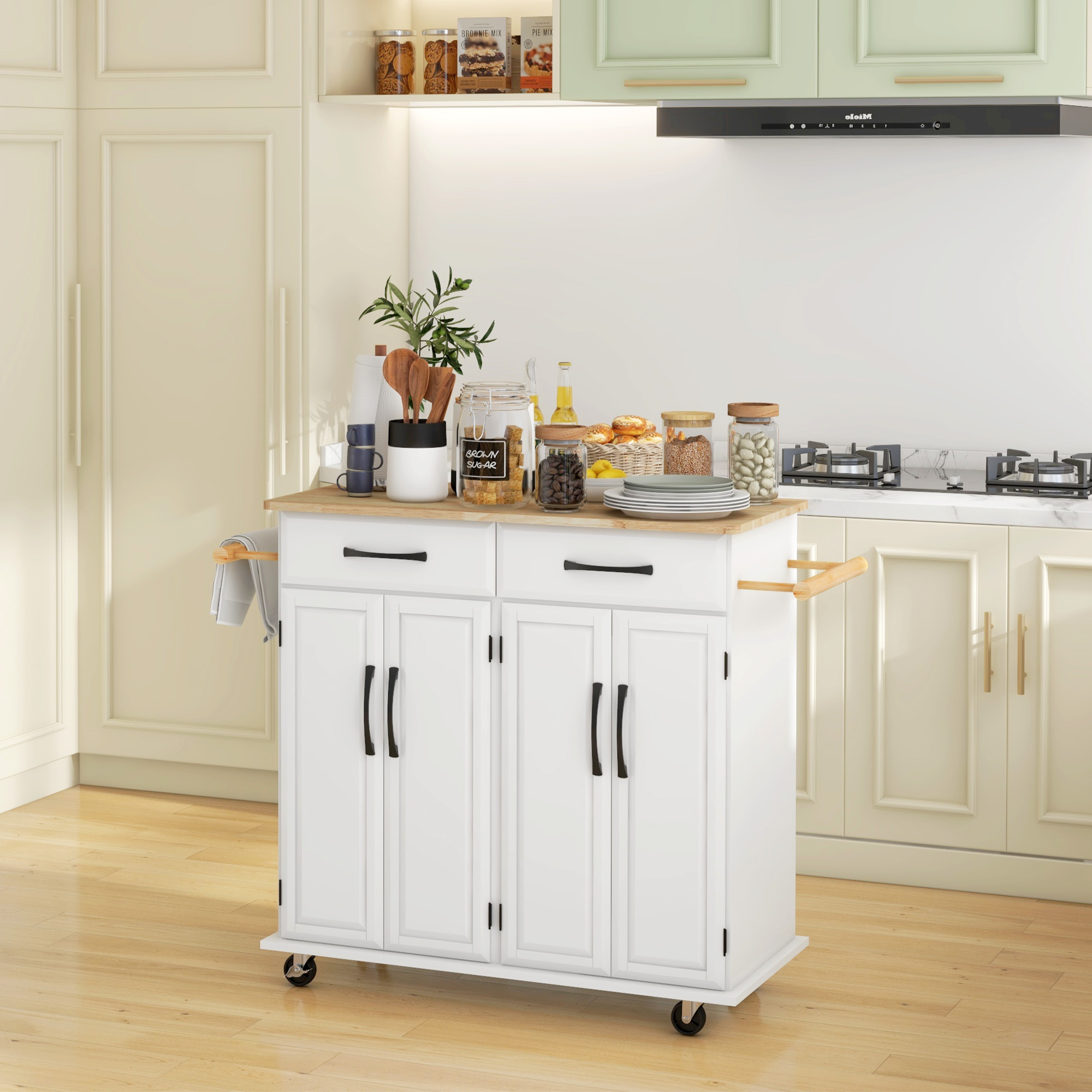
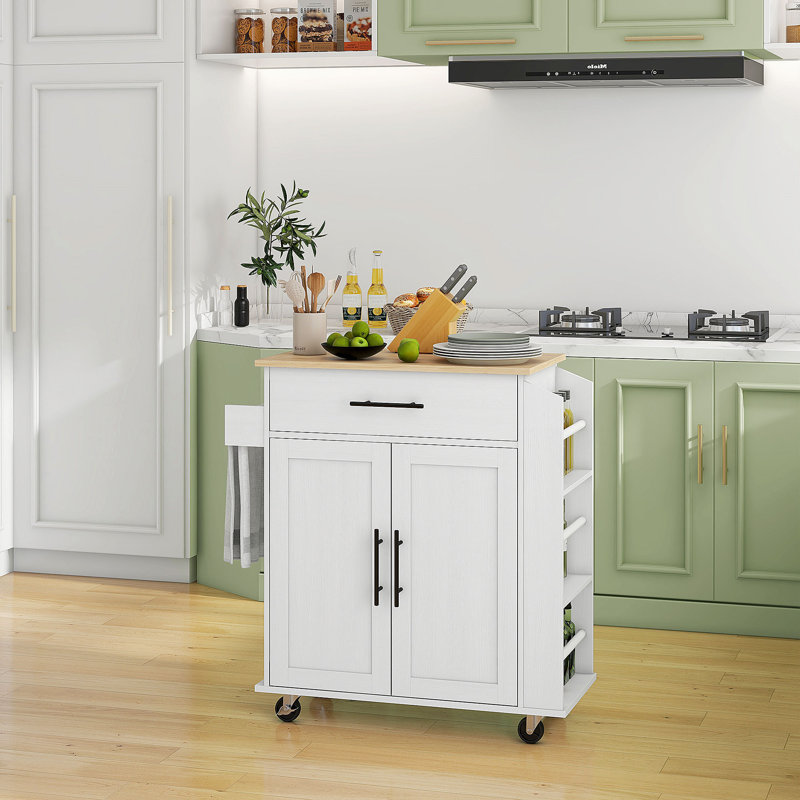
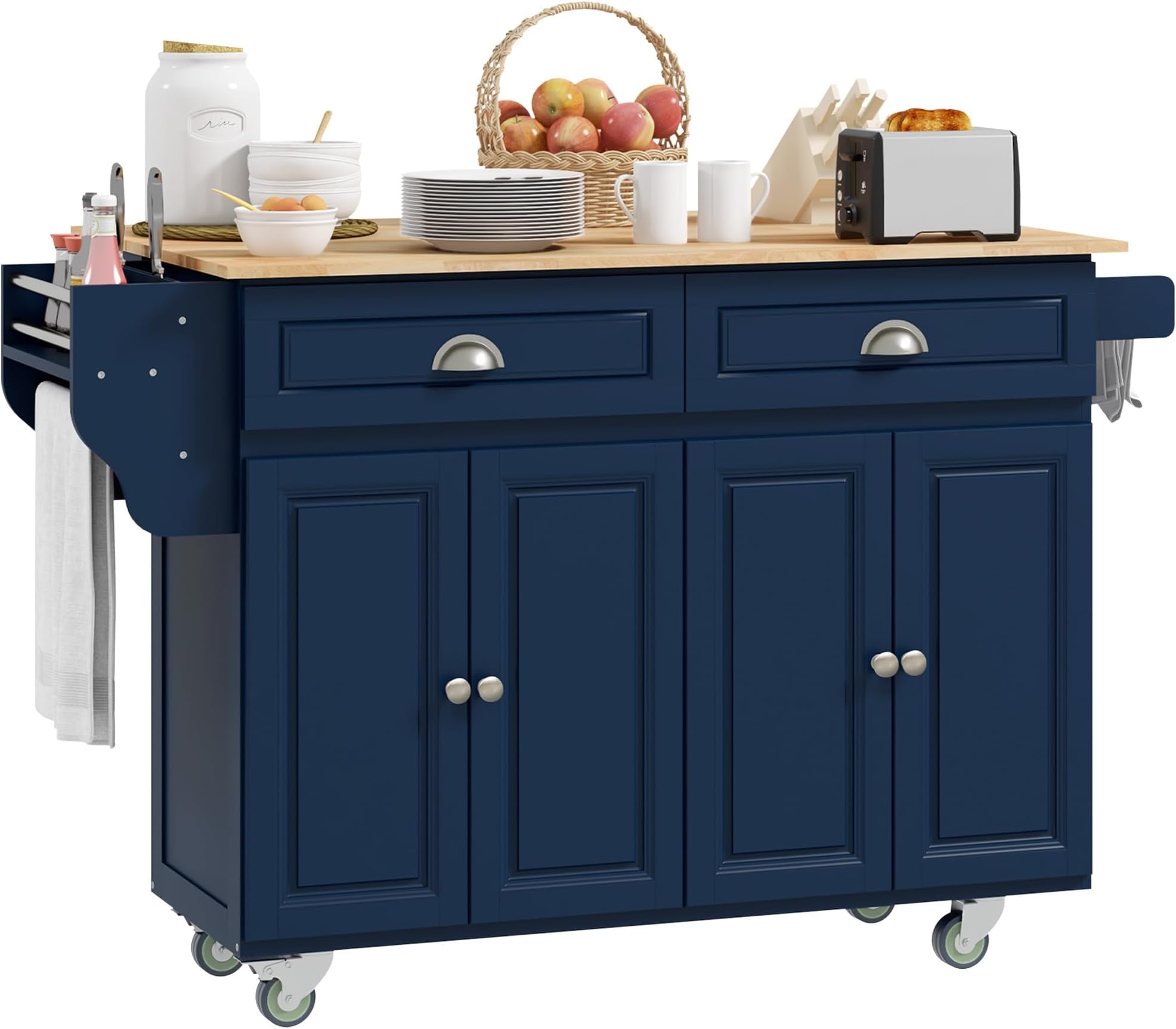
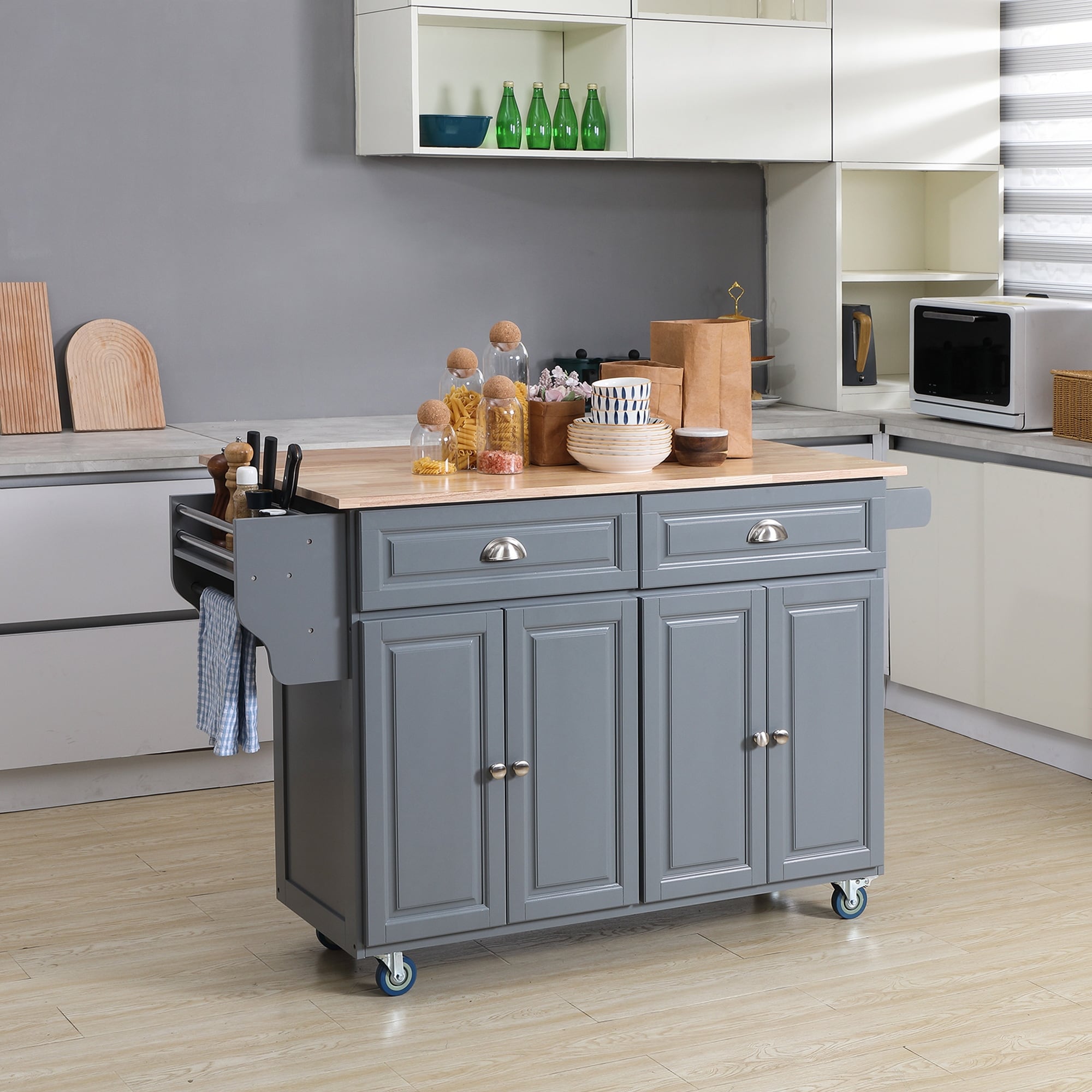
A HOMCOM kitchen island is a freestanding kitchen cart or storage unit that can add counter space, drawers, shelves, and, on some models, wheels or a folding top. The right model depends on your kitchen size, storage needs, and how you plan to use it.
In homes across the United States, kitchen space can be tight, even in houses with a full-size dining room. Apartments in New York, small homes in Texas, and older houses in the Midwest may all need a better way to store pans, prep food, or keep small tools close at hand. A kitchen island cart can help without the cost or work of a built-in island.
HOMCOM sells kitchen islands in several styles. Some have a wood top, drawers, and cabinet doors. Others have open shelves, a drop-leaf top, or built-in power outlets. These are not all the same product, so the model number, size, materials, and weight limits matter more than the brand name alone.
A HOMCOM kitchen island is a movable or freestanding piece of kitchen furniture made to provide extra storage and work space. Many models are sold as rolling kitchen carts, while others are closer to compact cabinets with a countertop. Their features depend on the individual model.
Unlike a built-in island, a rolling cart does not usually need permanent installation into the floor. You can move it to make room for cleaning or change how you use the kitchen. However, a cart is not the same as a fixed countertop, and you should not assume that it can support heavy appliances or serve as a sturdy seat.
The brand offers products with different looks and functions. A small cart with open shelves may suit a coffee station, while a larger unit with cabinet doors may work better for pans and food-prep supplies. Some designs also include a folding top, towel rack, spice rack, or power strip.
Source: walmart.com
Extra preparation space
A countertop gives you another place to set ingredients, bowls, and kitchen tools, as long as the items stay within the model’s load limit.
More storage
Drawers, shelves, and cupboards help keep cooking items together instead of spreading them across the main counter.
Flexible placement
Models with casters can move around the kitchen, provided the floor is level enough and the wheels can roll safely.
Different layouts
Options range from compact carts to wider units with drop leaves and extra storage compartments.
Kitchen island versus kitchen cart
The terms can overlap in product listings. A kitchen cart often has a smaller top, open shelving, and an easy-to-move frame. A kitchen island may have a wider worktop, cabinet storage, and a more substantial shape. HOMCOM listings may use either term for rolling furniture, so check the actual dimensions and construction rather than the label.
Choose a cart
A cart is worth considering if you need light storage, a serving surface, or a compact coffee station.
Choose a larger island
A larger model may be more useful if you need enclosed storage and a broader preparation surface, provided your room has enough space.
Which HOMCOM Kitchen Island Style Fits Your Kitchen?
The best style is the one that solves a real problem in your kitchen. Before comparing finishes or handles, decide whether you need more counter space, hidden storage, easy movement, or a place for small appliances. That choice will narrow the range more quickly than color alone.
Product listings show several recurring layouts. Some have a rubberwood top with a cabinet and shelves. Others have open shelves and drawers, while selected models add a folding surface or built-in outlets. Features are model-specific, so verify the listing and manual before relying on any one feature.
Source: aosom.ca
Rolling island with drawers and doors
This layout suits people who want to store utensils, cloths, cookware, and other items out of sight. Check the drawer depth and cabinet opening before buying.
Island with open shelves
Open shelves make frequently used bowls or baskets easy to reach. They also leave items visible, so the arrangement may look cluttered if you store many small objects.
Drop-leaf island
A hinged section can add work or serving space when raised. It needs room to open, and its support hardware must be engaged as directed.
Island with a wood countertop
A rubberwood top offers a wood surface that can suit a warm or farmhouse-style kitchen. Check the care instructions and whether the surface is suitable for direct food preparation.
Island with power outlets
Some models have an integrated power strip or USB ports. Confirm the electrical ratings and cord arrangement for the exact unit before connecting appliances.
A practical comparison of common features
Use this table to compare the functions you may find in HOMCOM listings. It describes common design choices, not a promise that every model includes them.
For small kitchens
Look for a compact footprint, accessible storage, and wheels with locking brakes. A narrow unit may fit more easily, but check whether the top is large enough for your tasks.
For family kitchens
A larger cabinet and wide worktop may provide more room for shared cooking tasks. Check the maximum load and how much clear space remains around the unit.
For serving and casual meals
A drop leaf can offer a temporary serving area. Do not assume that it is a rated dining table or that it can safely support a person leaning or sitting on it.
How to Measure Your Kitchen Before Buying
Measure the room before ordering a HOMCOM kitchen island. A cart can look small in a product photo but take up useful walking space once it arrives. The right fit depends on its width, depth, height, and the clearance needed for nearby cabinets and appliances.
Start with the floor area where you plan to park the island. Measure the available width and depth, then compare those figures with the assembled dimensions on the product page. If the unit has a drop leaf, check both the folded and open measurements.
Next, check the route through your home. Measure narrow doorways, hallways, and turns between the entrance and kitchen. A unit may arrive in a box that fits through the doorway, but its assembled size can still affect where you can position it.
Source: wayfair.ca
Measure the full footprint
Include the body, handles, towel rack, and other parts that stick out from the cabinet.
Check walking space
Leave enough room to walk past the island and open nearby appliances. A commonly used planning target is about 36 inches of clearance, with more space often useful in a busy kitchen. This is a planning guide, not a guarantee of code compliance for every layout.
Test cabinet and drawer access
Account for doors, drawers, the dishwasher door, and the refrigerator door in their open positions.
Check the counter height
Compare the island height with your main counters and your own working posture. A height that feels awkward can make routine food preparation less comfortable.
Plan the parking spot
Make sure the cart can sit with its brakes engaged without blocking a doorway, walkway, vent, or appliance.
A simple space-planning example
Suppose the kitchen has a clear floor area that is 60 inches wide and 72 inches long. A cart measuring 43.75 inches wide and 17.5 inches deep would leave only 16.25 inches of total width across the sides if centered in that space. That would be too tight for normal movement if those sides form the main walkway.
The example uses simple subtraction, not a recommended kitchen layout. The actual room, surrounding cabinets, and access routes determine whether a cart fits. If the space is tight, choose a narrower model or park the island against a wall when it is not in use.
Success check
You can move around the island, reach storage, and open nearby appliances without bumping into the cart.
If the fit fails
Do not rely on squeezing through a narrow gap. Reconsider the location or choose a smaller island.
Materials, Countertops, and Build Quality
The materials affect how a HOMCOM kitchen island looks, cleans, and handles everyday use. Product listings may name rubberwood, engineered wood, particleboard, metal parts, or a coated finish. Read the material list for the exact model because the top and cabinet body may use different materials.
Rubberwood is a type of hardwood used for furniture and tabletops. Its presence does not automatically mean that the full island is made from solid wood. A cabinet body may use engineered wood, which is manufactured from wood fibers, particles, or layers bound together.
Coated or melamine surfaces can be convenient for routine wipe-downs, but they still need suitable care. Water that sits near seams, exposed edges, or joints can damage some wood-based panels. Use the care directions supplied with the product rather than treating every finish as waterproof.
Source: amazon.ca
Inspect the countertop description
Confirm whether the top is rubberwood, stainless steel, or another surface. These materials have different care needs and may suit different kitchen tasks.
Check the panel finish
Look for details about the cabinet finish and edge treatment. Avoid soaking seams or leaving wet cloths on wood-based panels.
Review the hardware
Check the listed drawer slides, hinges, handles, and casters. These parts affect how the island opens, closes, and moves.
Read the weight limits
Find the overall limit and any separate countertop, drawer, and shelf limits. The weakest relevant limit determines what you can safely place on a specific part.
Can you cut food directly on the countertop?
Do not assume that a wood-look or rubberwood top is ready for direct food preparation. The finish, surface treatment, and care instructions determine how it should be used. If the manufacturer does not confirm that direct food contact is suitable, use a clean cutting board.
A cutting board also protects the top from knife marks. Wipe up water, oil, and acidic spills promptly, then dry the surface as directed in the care guide.
Use a cutting board
Keep knife work on a stable board that sits flat on the countertop.
Avoid harsh cleaners
Do not use abrasive pads, strong solvents, or soaking wet cloths unless the product care guide permits them.
Storage Options and Everyday Kitchen Uses
The most useful HOMCOM kitchen island is one that gives each item a clear place. Before choosing a layout, list the things you want to store and group them by size and how often you use them. This simple step helps you avoid buying a unit with shelves that are too small or a cabinet that cannot hold your cookware.
Drawers work well for small utensils, measuring tools, and folded kitchen cloths. Cabinet space can hide larger items, while open shelves suit baskets, bowls, and supplies you reach often. Side racks may help keep towels or selected seasonings close by, if your chosen model includes them.
A kitchen island can also serve as a coffee station, snack area, or serving cart. Keep the top clear enough for its main purpose. A unit covered with appliances and storage bins may provide less usable preparation space than you expected.
Source: aosom.com
Cooking tools
Use drawers for measuring spoons, spatulas, and other small items. Keep heavy items within the stated drawer limit.
Pots and pans
Check cabinet opening height and shelf spacing before storing large pans or tall stockpots.
Coffee supplies
A compact island may hold mugs, filters, and coffee accessories. If you add a coffee maker, account for its weight, heat, cord, and spill risk.
Baskets and dry goods
Open shelves can hold baskets or packaged goods. Store food in suitable containers and keep it away from damp areas.
Serving dishes
Use the top as a temporary serving surface when the cart is stable and the load stays within the stated limits.
How to organize the island after assembly
Place frequently used items where they are easy to reach. Put heavier items on lower shelves when the manual allows it, and keep the countertop free of unnecessary clutter. Avoid loading one side much more heavily than the other because uneven loads can affect stability.
Leave enough room for drawers and doors to open fully. If the island rolls, lock the brakes before loading it or working at the top. A cart that moves while you pull a drawer can be awkward and may become unstable.
Top drawer
Store light utensils and small tools that you use every day.
Main cabinet
Store cookware or kitchen supplies that fit without forcing doors or shelves.
Open shelves
Use baskets or grouped items to keep visible storage tidy and easy to reach.
Assembly, Wheels, and Safe Setup
Most HOMCOM kitchen islands require assembly. Set aside enough time, clear a flat work area, and read the manual before attaching parts. The exact steps depend on the model, so the supplied instructions should take priority over a general guide.
Lay out the panels and hardware before starting. Check the parts list for missing or damaged pieces. A soft blanket or cardboard sheet can help protect the floor and finish while you assemble the unit.
Follow the stated assembly order and use the correct fasteners in each location. Keep screws aligned with their holes and avoid overtightening them, which can damage some panels or hardware. If a hole or part does not line up, stop and check the instructions rather than forcing it.
Source: www.bedbathandbeyond.com
Prepare the workspace
Use a clean, level area with enough room to lay out the panels and turn the unit safely.
Check the hardware
Match screws, dowels, hinges, and other parts against the parts list before assembly.
Follow the manual
Install panels and fasteners in the stated order. Ask another adult to help with bulky pieces when needed.
Inspect before use
Check that fasteners are secure, doors and drawers move correctly, and the unit sits evenly.
Lock the casters
Engage the wheel brakes when the cart is parked. Confirm that the cart stays in place before loading or working on it.
What to check if the island feels unstable
Stop using an island that rocks, shifts, or feels loose. Check whether it sits on an uneven floor and whether the casters are fully attached. Then inspect the fasteners and frame connections according to the manual.
Do not try to fix wobbling by adding random weights or placing loose objects under a wheel. If the parts are damaged, the frame is bent, or the problem remains after the approved checks, contact the seller or manufacturer for support.
The cart rolls while parked
Check the caster brakes and the floor surface. Do not use the island as a fixed work surface until it stays securely in place.
A drawer sticks
Remove any obstruction and check the drawer alignment and fasteners. Follow the manual for slide adjustments.
A door hangs unevenly
Check the hinges and confirm that the cabinet is assembled level. Adjust the hinges only as instructed.
The drop leaf will not stay up
Check the support arm or locking hardware. Do not put weight on the leaf until its support is fully engaged.
Power Outlets, Drop Leaves, and Other Special Features
Extra features can make a HOMCOM kitchen island more useful, but they should match the way you work. A folding top can create more surface area for short tasks, while an integrated power strip can help with selected small appliances. Neither feature replaces the need to check the model’s instructions and limits.
For a drop-leaf model, compare the usable surface with the leaf folded and raised. Check the support mechanism and make sure the open leaf does not block a doorway or create a narrow path. Fold it down only when the area is clear and the instructions permit it.
For a model with power outlets or USB ports, read the electrical specifications. Check the rated voltage, current, and power limit on the exact product. Keep cords away from hot surfaces, water, sharp edges, and moving parts. Do not overload the power strip or connect equipment beyond its stated rating.
Source: walmart.com
Drop-leaf support
Confirm that the support arm or latch locks into place before using the raised surface.
Electrical rating
Compare the outlet rating with the requirements of the appliance you plan to use.
Cord placement
Route cords so they do not cross walkways, get pinched, or pull the island when it moves.
Heat and moisture
Keep electrical connections dry and follow the appliance and island instructions for ventilation and safe placement.
Is a built-in outlet worth choosing?
A built-in outlet can be useful if you regularly use a small appliance near the island and the location has a safe power source. It may be less useful if the cart sits far from a wall outlet or if its cord would cross a walkway.
Check whether the product has a fixed power cord, the type of outlets provided, and the stated maximum load. Do not assume a USB port can power every device or that a power strip makes an island suitable for all kitchen appliances. Follow the product instructions and the appliance maker’s guidance.
Useful for
A planned setup for compatible small devices, when the electrical rating and cord route are suitable.
Less suitable for
A location with no safe way to route the cord or an intended appliance load that exceeds the listed rating.
Cleaning and Maintaining a HOMCOM Kitchen Island
Regular, gentle cleaning can help keep a kitchen island in good condition. The right method depends on the top and cabinet finish, so check the care instructions first. For many coated furniture surfaces, a soft cloth with mild soap and water is a reasonable starting point if the manufacturer permits it.
Wipe spills soon after they happen, especially around joints, panel edges, and the base. Avoid soaking the surface or letting water sit near seams. Dry the area with a clean cloth after wiping.
Check the island from time to time for loose screws, worn wheels, damaged edges, and misaligned doors. A mobile unit gets moved and bumped more often than a fixed cabinet, so a quick inspection can help catch small problems before they become harder to fix.
Source: aosom.ca
Clean the top
Use a soft cloth and the cleaner allowed by the surface care guide. Dry the top after cleaning.
Keep the wheels clear
Remove hair, crumbs, and debris that may stop the casters from rolling or locking properly.
Check fasteners
Inspect screws and frame connections periodically, then tighten them as directed if they loosen.
Protect the finish
Use coasters or suitable mats when needed, and avoid dragging heavy cookware across the surface.
When should you contact the seller?
Contact the seller or HOMCOM support if parts are missing, a panel arrives damaged, a caster breaks, or a structural problem remains after the manual’s approved checks. Keep the model number, order details, and photos of the issue ready to make the request clearer.
Do not keep using a unit with a cracked support panel, failed caster attachment, or a drop leaf that will not lock. Avoid improvised repairs that change the frame or load-bearing parts. Ask the manufacturer whether a replacement part or another approved remedy is available.
Keep the model details
Save the assembly guide, model number, and purchase record.
Describe the fault
Explain what happened and identify the part involved. Photos can help show the problem.
What to Check Before You Order
Before buying a HOMCOM kitchen island, review the exact listing and its current terms. Product names can look alike while dimensions, materials, storage layouts, and weight ratings differ. Confirm the model number and compare the details with the product images and manual when available.
Do not choose by the listed price alone. Delivery costs, assembly needs, available space, and return conditions can affect the overall value. Prices and stock can change between sellers, so check the current US listing rather than relying on an old product page or a price shown in another country.
Source: www.homedepot.com
Model and dimensions
Verify the model number, assembled width, depth, and height, plus the open dimensions of any drop leaf.
Materials and finish
Confirm the countertop material, cabinet construction, finish, and cleaning directions.
Storage layout
Check drawer dimensions, shelf spacing, door swing, and the number of storage compartments.
Weight limits
Review the total capacity and any separate limits for the countertop, shelves, drawers, and accessories.
Assembly and delivery
Confirm whether assembly is required, which tools are needed, and how the package will reach your kitchen.
Returns and support
Read the seller’s return window, return shipping terms, warranty information, and replacement-part process.
A simple buying checklist
Use this short checklist while comparing listings. It keeps the decision focused on fit and function rather than attractive photos alone.
The island fits
The assembled unit leaves enough room for walking and opening nearby doors.
The storage works
Your common cookware, utensils, or supplies fit without exceeding shelf or drawer limits.
The surface suits your needs
The countertop material and size work for the tasks you plan to do.
The cart stays secure
The wheels have usable brakes, and the instructions explain how to park and load the unit safely.
The seller terms are clear
You know the current price, delivery terms, return conditions, and support options.
Frequently Asked Questions
Q
Is a HOMCOM kitchen island good for a small kitchen?
It can be useful in a small kitchen if the island adds storage without blocking the main walkway. Compact rolling models may work well for extra prep space or a coffee station. Measure the room, nearby doors, and the cart’s full footprint before choosing a size.
Q
Do all HOMCOM kitchen islands come with wheels?
No. Many HOMCOM kitchen carts have casters, but features vary by model. Check the product photos, specifications, and assembly manual to confirm whether the unit rolls and whether its wheels include locking brakes.
Q
Can I use a HOMCOM kitchen island as a dining table?
Some models have a drop-leaf top that can provide extra space for serving or light dining tasks. However, do not assume that every island is designed for seating or that its extended top can support a person. Check the stated purpose, dimensions, and weight limits before use.
Q
How much weight can a HOMCOM kitchen island hold?
The capacity depends on the exact model. Some published manuals list a total capacity of 100 or 110 pounds, but those figures do not apply to every HOMCOM island. A countertop, drawer, or shelf may have a lower separate limit. Follow the limits in the manual for your specific unit.
Q
Are HOMCOM kitchen islands hard to assemble?
Assembly usually involves fitting panels, hardware, doors or drawers, and casters. The time and difficulty depend on the design and your experience with flat-pack furniture. Read the manual first, check the parts, use the recommended tools, and ask for help when handling large or awkward pieces.
Q
Can I put a microwave or coffee maker on a HOMCOM kitchen island?
Only if the countertop’s weight limit, usable dimensions, and care instructions suit the appliance. Check that the appliance has stable support and enough space for ventilation as required by its own manual. If the island includes power outlets, also confirm the electrical rating and keep cords away from water and walkways.
Q
How do I clean a HOMCOM kitchen island countertop?
Follow the care guide for the exact countertop material. A soft cloth and mild cleaner may suit some coated surfaces, while other finishes need different care. Wipe spills promptly, avoid soaking panel edges, and dry the surface after cleaning.
Q
Where can I find replacement parts for a HOMCOM kitchen island?
Start with the seller or HOMCOM customer support. Provide the model number, proof of purchase, and a description or photo of the damaged or missing part. Keep the assembly manual because it may help identify the correct hardware or panel.
✦ Wrapping Up
Conclusion
A HOMCOM kitchen island can add useful storage and work space without the commitment of a built-in island. The right choice depends on the size of your kitchen, the items you need to store, the type of countertop you prefer, and whether features such as wheels, a drop leaf, or power outlets will help with daily tasks.
Start by measuring the room and deciding what the island must hold. Then compare the exact model’s dimensions, materials, weight limits, assembly instructions, and seller terms. A careful check now can help you avoid a cart that blocks the kitchen or lacks the storage you need.
💡 Key Takeaway
Measure your available floor space, list the items you plan to store, and compare at least two HOMCOM models using their exact dimensions, countertop material, weight limits, wheel brakes, and return terms before ordering.