Latex free kitchen gloves are made without natural rubber latex and can help people avoid latex exposure during food prep, dishwashing, and kitchen cleaning. Nitrile, vinyl, polyethylene, and suitable reusable synthetic gloves are common options. The right pair depends on the task, fit, material, and food contact instructions.
In homes across the United States, kitchen gloves help with daily tasks such as washing dishes, wiping counters, handling raw meat, and cleaning greasy pans. For people with a latex allergy or sensitivity, choosing gloves without natural rubber latex can reduce an avoidable source of exposure. The label matters, but so does the job you plan to do.
Not every latex free glove works for every kitchen task. Thin plastic gloves may suit brief food handling, while reusable synthetic gloves can be more practical for dishwashing. Nitrile gloves are another option for certain food preparation and cleaning tasks, provided the product is approved for the intended use. This guide explains the main materials, how to choose a safe fit, and when to change or discard a pair.
Latex free kitchen gloves are gloves made without natural rubber latex. Natural rubber latex comes from the sap of the rubber tree and is used in many products, including some household and medical gloves. People with a latex allergy may need to avoid products made from this material.
The term latex free describes the material, not every safety feature of the glove. A glove may be latex free without being suitable for food contact, strong chemicals, hot liquids, or repeated use. Check the product label before using it for a particular job.
These gloves come in disposable and reusable forms. Disposable pairs are often used for short food preparation tasks, while thicker reusable pairs are common for dishwashing and household cleaning. Some products are designed for several tasks, but their stated limits still apply.
Choose reusable gloves made from a suitable synthetic material. A comfortable cuff and a good fit can help keep water and food residue away from the hands.
For general cleaning
Match the glove to the cleaning product and its label. A glove that works for dish soap may not protect against a strong degreaser or disinfectant.
Latex Free Does Not Mean Allergy Proof
A latex free label means the product is not made with natural rubber latex as intended. It does not mean the glove cannot cause any skin reaction. People may react to other glove materials, dyes, additives, or substances left on a glove during production.
If you have a diagnosed latex allergy, check the full product information rather than relying on a color, price, or product photo. When the material is unclear, ask the maker before use. A healthcare professional or allergy specialist can help if you have questions about your own allergy risks.
Read the material label
Look for a clear statement that the glove is latex free and check the listed materials.
Avoid uncertain products
Do not assume a glove is latex free because it looks like plastic or has a smooth surface.
Types of Latex Free Kitchen Gloves
The best material depends on whether you need touch control, longer wear, water resistance, or a glove you can throw away after one task. Nitrile, vinyl, polyethylene, and reusable synthetic gloves are common choices, but they are not interchangeable.
Start with the job, then compare the label, fit, thickness, and care directions. A thin glove may allow easy finger movement but tear under stress. A thicker glove may last longer during cleaning yet feel less precise when handling small foods.
Source: down-ph.img.susercontent.com
Nitrile gloves
Nitrile is a synthetic rubber used in many disposable gloves. Suitable food-contact versions can be useful for food preparation, and the material often offers a closer fit than loose plastic gloves. Resistance to oils, chemicals, and punctures varies by product and thickness, so check the intended use.
Vinyl gloves
Vinyl gloves are often made from polyvinyl chloride, or PVC. Some food-contact versions work for short, low-risk tasks, but fit and stretch can be limited. Check the manufacturer’s guidance, especially for oily foods and tasks that involve frequent hand movement.
Polyethylene gloves
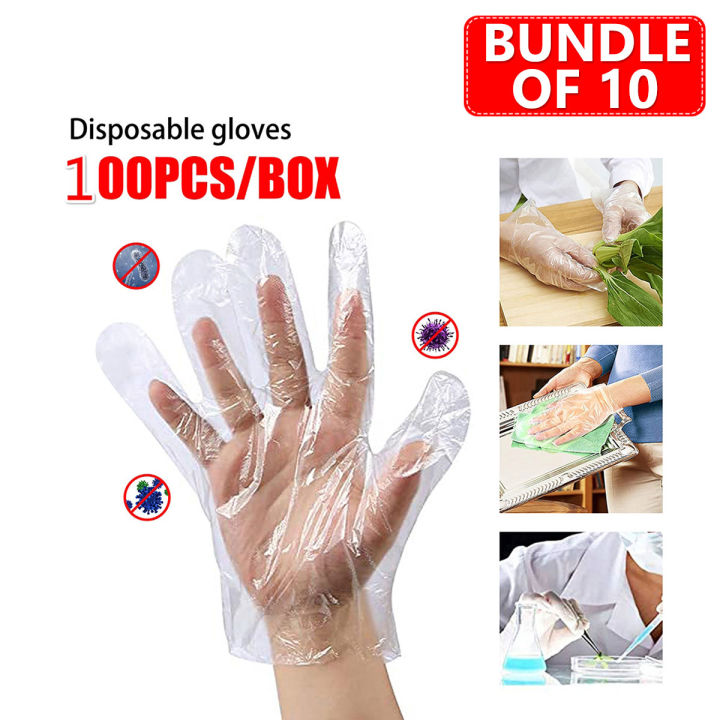
Polyethylene gloves are usually loose and lightweight. They can suit brief food handling when labeled for that purpose, but they may slip, tear, or offer limited control. They are not a good substitute for sturdy reusable gloves during dishwashing.
TPE gloves
Thermoplastic elastomer gloves are made from a blend of materials that behave somewhat like rubber. Some disposable TPE products are sold for food handling. Their fit, stretch, and strength differ by design, so check the product details rather than assuming all TPE gloves perform alike.
Reusable synthetic gloves
Reusable household gloves may be made from synthetic rubber, PVC, or other materials. These can be useful for dishwashing and routine cleaning when the label permits those tasks. They need proper cleaning, drying, and replacement when worn or damaged.
Nitrile Versus Vinyl for Food Prep
Nitrile may be the more practical option when a close fit and finger control matter. Vinyl may suit some brief, lower-stress tasks when the glove is designed for food contact. Neither material is automatically right for every food or kitchen activity.
For example, a cook preparing vegetables may prefer a snug glove that allows careful handling. A person briefly serving ready-to-eat food may find a looser glove adequate if it is approved for that use and fits well enough to prevent slipping. In both cases, correct glove changes and handwashing remain essential.
Choose nitrile when
You need a close fit and the specific glove is approved for the food task you plan to perform.
Consider vinyl when
The task is brief and low stress, the glove is suitable for food contact, and its fit and limitations meet your needs.
Do not judge by material alone
The exact product design, thickness, condition, and use instructions all affect performance.
How to Choose the Right Pair
Choose latex free kitchen gloves by matching the glove to the task, then checking food contact suitability, size, durability, and care instructions. A low price does not help if the gloves tear, slip, or fail to provide the protection you need.
Think about how the gloves will be used throughout the day. Food prep may require several fresh disposable pairs, while dishwashing may call for one reusable pair that can be cleaned and dried between uses. If you perform both jobs, separate pairs can help reduce cross-contamination.
Source: m.media-amazon.com
Confirm the material
Look for a clear latex free statement and a named material such as nitrile, vinyl, polyethylene, or a suitable synthetic blend.
Check food contact suitability
Use gloves specifically intended for food handling. Do not assume that every household cleaning glove is safe to wear while preparing food.
Pick the right size
Gloves should fit securely without squeezing your fingers or leaving excess material that catches on tools and food containers.
Review the task limits
Check whether the glove is intended for food prep, washing dishes, or chemical cleaning. Look for any stated limits on temperature, wear time, or reuse.
Inspect quality
Avoid gloves with holes, split seams, damaged cuffs, or other visible defects. A damaged glove should be replaced before the task continues.
A Simple Buying Checklist
Before buying, consider how often you will use the gloves and whether you need one pair or a box of disposable gloves. A reusable pair may reduce the need for frequent replacements during routine cleaning, while disposable gloves make it easier to use a fresh pair for separate food tasks.
Also consider storage. Disposable gloves should stay in clean, dry packaging, away from heat and direct sunlight when the product instructions call for those precautions. Reusable gloves need a clean place to dry fully between uses.
For frequent food prep
Compare food-contact disposable gloves that fit securely and allow the hand movements required by the task.
For daily dishwashing
Look for reusable gloves with a comfortable fit, suitable cuffs, and clear cleaning and storage instructions.
For cleaning products
Check the product’s chemical compatibility information. If the cleaner requires specific protective gloves, follow that label.
Can You Use Latex Free Gloves for Food Preparation?
Yes, some latex free gloves are suitable for food preparation, but the product must be intended for food contact. A latex free claim alone does not confirm that a glove is appropriate for direct contact with food. Check the packaging or manufacturer information before use.
In a US kitchen, safe food handling also depends on clean hands, clean work surfaces, and separation between raw and ready-to-eat foods. Gloves can help with a task, but they do not make contaminated hands or utensils safe. Bacteria can spread from a glove to a cutting board, plate, or food just as they can from an ungloved hand.
Source: i5.walmartimages.com
Wash hands first
Wash your hands before putting on disposable food gloves. Dry them well and follow normal food safety practices.
Use a fresh pair for a new task
Change gloves after handling raw meat, poultry, seafood, or eggs before moving to ready-to-eat foods. Change them sooner if they become dirty or damaged.
Do not wash and reuse disposable gloves
Disposable gloves are designed for limited use. Washing them can damage the material and does not ensure that contamination has been removed.
Keep bare hands and gloves clean
Gloves do not replace handwashing. Wash your hands when changing tasks and whenever food safety guidance calls for it.
When Gloves Are Not Needed
Gloves are not required for every kitchen task. Clean hands and sound food handling practices are often enough for routine work, such as washing whole produce before cutting it or moving clean dishes. Follow any applicable workplace food safety rules if you prepare food for customers.
Some foods are easier to handle with clean utensils than with gloves. Tongs, spatulas, and serving spoons can limit direct contact and help reduce the number of disposable gloves used. Choose the method that keeps the food safe and suits the task.
Use utensils when practical
Clean tongs, spoons, or spatulas can be useful for serving ready-to-eat foods.
Follow workplace rules
Food service workers should follow local requirements and their employer’s food safety procedures.
Using Latex Free Gloves for Dishwashing and Cleaning
Reusable latex free gloves can make dishwashing more comfortable for some people and can help limit direct contact with dish soap and food residue. Choose a pair made for household cleaning and follow its care instructions. Do not assume that any reusable glove can protect against every cleaner.
For dishes, use water at a temperature you can handle safely and follow the directions for the detergent. Gloves do not make very hot water safe to touch, and they are not a substitute for care around sharp knives, broken glass, or slippery cookware.
Cleaning products vary in strength and ingredients. If a label requires a particular type of glove, use protective equipment that meets those directions. A thin food prep glove may not provide suitable protection against a concentrated cleaner or degreaser.
Source: m.media-amazon.com
Keep cleaning gloves separate
Use a designated pair for dishwashing and household cleaning rather than moving straight from a cleaning task to food preparation.
Check for damage
Inspect the fingers, palms, and cuffs before use. Replace gloves with holes, cracks, peeling material, or worn areas.
Clean and dry reusable gloves
Wash the outer surface as directed, rinse away residue when appropriate, and allow the gloves to dry fully before storing them.
Follow chemical labels
Use gloves with documented compatibility for the cleaner. Do not mix cleaning products or rely on gloves to prevent every type of exposure.
How to Care for Reusable Kitchen Gloves
Good care can help reusable gloves stay clean and usable, but it cannot restore material that has become brittle or damaged. After dishwashing, rinse off soap and food residue if the product instructions allow it. Turn the gloves inside out only if the manufacturer says that doing so is suitable.
Let the gloves dry completely before putting them away. Damp gloves stored in a closed space can develop unpleasant odors and may become difficult to keep clean. Replace a pair if the lining remains damp, the material breaks down, or the fit changes.
After each use
Remove residue and clean the gloves according to the manufacturer’s directions.
Before storage
Allow both the inside and outside to dry as fully as possible.
When wear appears
Replace damaged gloves instead of trying to patch them for food handling or cleaning.
Common Mistakes to Avoid
The most common glove mistakes involve choosing the wrong material, wearing one pair for too many tasks, and assuming that a glove offers more protection than it does. Small changes in routine can help prevent contamination and unnecessary skin exposure.
A glove can look clean while carrying germs or chemical residue. The safest approach is to match the product to the task, follow the label, and change gloves when the work changes.
Source: smarterhomecooking.com
Assuming all latex free gloves are food safe
A glove made for cleaning may not be intended for direct food contact. Look for a clear food-contact statement.
Using the same pair for raw and cooked food
Change gloves between tasks that could transfer harmful germs. Wash hands before putting on a fresh pair.
Wearing gloves that do not fit
Loose gloves can slip and catch on objects, while tight gloves can cause discomfort and may tear more easily during use.
Treating gloves as heat protection
Ordinary kitchen gloves are not automatically designed for hot pans, steam, boiling water, or oven use. Use proper oven mitts or heat-rated protection for those jobs.
Ignoring skin irritation
Redness, itching, swelling, or a rash can have several causes. Stop using a glove that seems to trigger symptoms and seek medical advice when needed.
What to Do if a Glove Tears
Stop the task as soon as you notice a tear. Remove the damaged glove carefully, wash your hands, and put on a new pair if gloves are still needed. If the glove was used with food, assess whether the food or nearby surfaces may have been contaminated.
If a glove tears during chemical cleaning, follow the cleaner’s label and the product safety instructions. Rinse exposed skin if directed and seek urgent help if a serious reaction or harmful exposure occurs. Do not keep using a damaged glove just because the tear looks small.
For food handling
Discard the damaged disposable glove, wash your hands, and use a fresh food-contact glove when needed.
For dishwashing
Stop using a torn reusable glove and replace it before continuing.
For chemical exposure
Follow the product label’s first-aid directions and contact poison control or emergency services when appropriate.
Latex Allergy and Skin Safety
People with a latex allergy should select gloves that clearly exclude natural rubber latex. Reactions can range from skin symptoms to severe allergic responses, and the level of risk differs by person. If you have had a serious reaction to latex, ask your healthcare professional how to avoid exposure in the kitchen and elsewhere.
Latex free gloves can still cause irritation or allergy in some people. Sweat, friction, soap trapped inside a glove, and glove additives can also affect the skin. Reusable gloves that stay damp may make discomfort worse, so clean and dry them as directed.
A new rash should not automatically be blamed on latex. Irritant contact dermatitis, allergic contact dermatitis, and other skin problems can look similar. Stop using a product that causes symptoms and seek medical advice if the rash persists, spreads, or returns.
Source: i5.walmartimages.com
Choose clear labeling
For a known latex allergy, confirm the material with the manufacturer if the package is unclear.
Avoid prolonged damp wear
Remove reusable gloves after the task and allow your hands to dry before putting them back on.
Do not ignore severe symptoms
Trouble breathing, throat swelling, faintness, or a rapidly developing severe reaction can be an emergency. Call 911 in the United States.
Powder Free Gloves and Skin Comfort
Powder free gloves do not contain added glove powder intended to make them easier to put on. They may be a sensible option for many kitchen tasks, but powder free does not mean chemical free or allergy proof. The material and the glove’s intended use still matter.
For repeated food preparation, choose a glove that fits well and is approved for food contact. For cleaning, select a product that suits the cleaner and allows the hands to remain comfortable during the task. If skin problems continue despite changing products, seek professional advice rather than trying many gloves without guidance.
Look for powder free labeling
This can help you avoid added glove powder, but it does not establish that the glove is suitable for every task.
Check other ingredients and materials
Review available product information if you have a known sensitivity to particular materials or additives.
Disposable or Reusable: Which Is Better?
Disposable gloves are useful when you need a fresh pair for a short task, while reusable gloves are often more practical for repeated dishwashing and cleaning. Neither type is always better. The right choice depends on the work, cleaning needs, waste, and replacement cost.
For food preparation, a box of suitable disposable gloves can make it easier to change pairs between tasks. For routine washing, a durable reusable pair may be more convenient. Avoid reusing disposable gloves, even if they look clean, and replace reusable gloves when they are damaged or cannot be cleaned properly.
Source: spontex.co.uk
Choose disposable gloves for
Short food handling tasks that need frequent glove changes, provided the gloves are suitable for direct food contact.
Choose reusable gloves for
Routine dishwashing and suitable household cleaning tasks where the gloves can be cleaned, dried, and stored as directed.
Consider ongoing costs
Compare the cost of repeated disposable pairs with the replacement cycle of reusable gloves, rather than looking only at the first purchase price.
Consider waste
Disposable gloves create more frequent waste. Reusable gloves may reduce that waste when they last and can be cared for safely.
A Practical Comparison
The table below summarizes common trade-offs. These are general material and use considerations, not guarantees about every glove sold under a given material name. Product design, fit, thickness, and labeling can change the result.
Nitrile disposable gloves
Often offer a close fit and useful finger control. Check food-contact suitability, material sensitivities, and the stated limits for the exact product.
Vinyl disposable gloves
Can suit some brief tasks. Fit and flexibility may be less suitable for jobs involving repeated movement or high stress.
Polyethylene or TPE gloves
May be convenient for short handling tasks. They can be loose or less durable than a well-fitting glove designed for repeated movement.
Reusable synthetic gloves
Often practical for washing dishes and routine cleaning. They need proper care and should not be used for food contact unless the product is intended for that purpose.
Frequently Asked Questions
Q
What are the best latex free kitchen gloves?
The best pair depends on the task. Suitable nitrile gloves may work well for some food preparation jobs, while reusable synthetic gloves are often practical for dishwashing. Vinyl, polyethylene, and TPE gloves may suit selected tasks when their labels permit the intended use. For a latex allergy, confirm the material and check any other known sensitivities.
Q
Are nitrile kitchen gloves latex free?
Nitrile is a synthetic rubber and does not use natural rubber latex as its base material. Many nitrile gloves are sold as latex free. Check the exact product label, especially if you have a serious latex allergy or need to avoid other glove materials.
Q
Can I use latex free gloves to handle raw chicken?
You can use gloves specifically intended for food contact when handling raw chicken. Change them before touching ready-to-eat food, clean utensils, or other items that should stay free of raw poultry juices. Wash your hands when changing tasks, and clean and sanitize food-contact surfaces as appropriate.
Q
Can I reuse disposable latex free kitchen gloves?
Disposable gloves should not be washed and reused. Washing may damage the material and does not ensure that germs or food residue have been removed. Discard the gloves after the task, when changing to a task that requires a fresh pair, or whenever they become torn or contaminated.
Q
Are latex free gloves safe for washing dishes?
Reusable latex free gloves can be suitable for dishwashing when the product is designed for household cleaning. Check the material, fit, and care instructions, and replace gloves that develop holes or cracks. They do not make very hot water, sharp objects, or every cleaning chemical safe to handle.
Q
Do latex free gloves prevent all allergic reactions?
No. They can help avoid natural rubber latex exposure, but other glove materials, additives, or substances on the surface may still cause a reaction. If you have a known allergy or develop itching, redness, swelling, or a rash, stop using the product and seek medical advice when needed.
Q
Are powder free gloves the same as latex free gloves?
No. Powder free means that the gloves do not contain added glove powder intended to aid donning. Latex free refers to the absence of natural rubber latex. A glove can be powder free without being latex free, so check both claims when they matter to your needs.
✦ Wrapping Up
Conclusion
Latex free kitchen gloves can help make food preparation, dishwashing, and household cleaning more suitable for people who need to avoid natural rubber latex. Nitrile, vinyl, polyethylene, TPE, and reusable synthetic gloves each have different uses and limits. The safest choice is the one that matches the job and clearly states its material and intended use.
For food prep, look for a food-contact glove and change it when moving between tasks that could spread germs. For dishes and cleaning, use a suitable reusable pair, follow the cleaner’s directions, and let the gloves dry fully. Replace any glove that tears, cracks, or causes skin discomfort.
💡 Key Takeaway
Before your next kitchen task, check three things on the glove package: the material, whether it is suitable for food contact or cleaning, and whether it is disposable or reusable. If you have a latex allergy, confirm the latex free claim and ask a healthcare professional for advice if your allergy is severe or you have concerns about other glove materials.