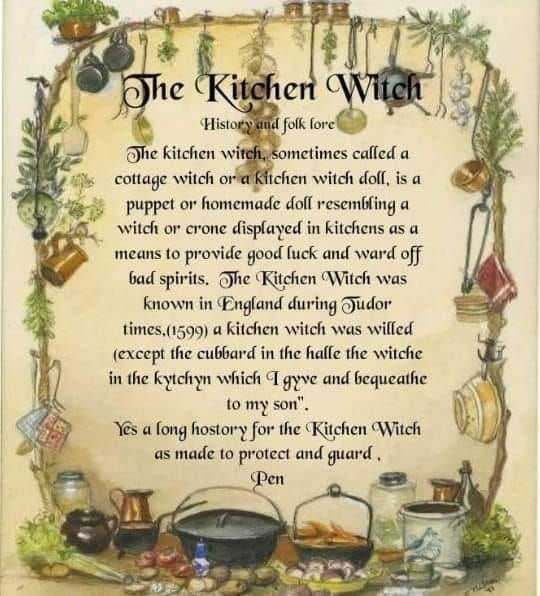
A kitchen witch poem is a short verse that celebrates cooking, home life, herbs, warmth, and the small rituals that make a kitchen feel special. Some poems offer a blessing for meals and family, while others use playful rhymes about herbs, pots, and everyday magic.
In homes across the United States, the kitchen often serves as more than a place to cook. It may be where coffee brews before work, family recipes pass from one generation to the next, and friends gather around a plate of warm cookies. A kitchen witch poem brings that familiar comfort together with images of nature, old folk customs, and a touch of magic.
The phrase can refer to an original poem about kitchen witchcraft, a blessing displayed near a stove, or a verse shared in witchy home decor. There is no single poem that defines the whole tradition. The meaning depends on the writer, the reader, and the purpose of the words. This guide explains what these poems mean, what they often include, and how to write a personal verse for your own kitchen.
A kitchen witch poem is a piece of poetry inspired by kitchen witchcraft, the hearth, cooking, and the idea that ordinary household tasks can hold personal or spiritual meaning. It may be a few rhyming lines above a stove or a longer verse about preparing food with patience and care.
The word witch can carry different meanings for different readers. Some people use it as part of a spiritual practice. Others enjoy witchy art, folklore, seasonal customs, or fantasy themes without following a spiritual path. A kitchen witch poem can suit any of these interests when its wording reflects the intended reader.
The main feature is its connection between daily life and meaning. Chopping fresh herbs, stirring soup, baking bread, or setting a table can become poetic images for comfort, care, and welcome. The magic in the poem may be spiritual, symbolic, or simply a way to make an ordinary moment feel special.
Source: www.pinterest.com
A kitchen blessing
A short verse that wishes peace, warmth, nourishment, or welcome to the people who share a home.
A witchy rhyme
A playful poem featuring herbs, wooden spoons, bubbling pots, moonlight, or other familiar images from witch-themed art and folklore.
A personal ritual poem
Words written to mark a daily or seasonal activity, such as baking bread, preparing a holiday meal, or welcoming spring.
A decorative verse
A few lines displayed on a kitchen sign, framed print, recipe card, or handmade gift.
Is a Kitchen Witch Poem the Same as a Kitchen Blessing?
The two forms overlap, but they are not always the same. A kitchen blessing focuses on a wish, prayer, or statement of good intent for a home or meal. A kitchen witch poem may tell a small story, celebrate seasonal ingredients, or use humor and rhyme without asking for a blessing.
For example, a blessing might wish that a home remain warm and that everyone who enters find kindness. A playful poem might describe a wooden spoon as the captain of a bubbling pot. Both fit the broad theme, but they serve different purposes.
Choose a blessing for meaning
Use simple words about peace, nourishment, gratitude, or hospitality when you want a calm and thoughtful verse.
Choose a playful poem for charm
Use rhyme, amusing images, and lighthearted language for wall art, gifts, or a cheerful kitchen sign.
The Meaning Behind Kitchen Witch Poetry
Kitchen witch poetry often gives familiar household objects a deeper meaning. A warm oven can suggest comfort, a shared loaf can represent generosity, and a handful of herbs can bring nature into the home. These images help connect the work of cooking with care, memory, and intention.
The meaning is not fixed. One reader may see a poem as a spiritual expression, while another may value it as a reminder to slow down and enjoy preparing food. Neither reading has to be imposed on someone else. The words work best when they reflect the beliefs and needs of the person who uses them.
Many verses also draw on the idea of the hearth. In older homes, the hearth was a central place for heat and cooking. In modern poetry, it can stand for the heart of a household, whether the home has a wood stove, a gas range, or a small electric cooktop.
Source: artofit.org
The hearth
A symbol of shelter, warmth, and the shared life of a home.
Herbs and spices
Images of nature, scent, flavor, seasonal change, and cultural food traditions.
The cooking pot
A poetic image of many ingredients coming together to form one meal, much like people bringing different strengths to a household.
Bread and shared food
Symbols of nourishment, generosity, family memory, and the simple pleasure of feeding others.
The changing seasons
A way to connect recipes and kitchen rituals with autumn harvests, winter comfort foods, spring greens, and summer produce.
Does Every Kitchen Witch Poem Have a Spiritual Meaning?
No. Some poems are part of a person’s spiritual practice, but others are written for fun or decoration. A person may enjoy the image of a witch stirring a pot without treating it as a religious symbol. Another person may use a short verse as part of a meaningful household ritual.
The poem itself does not establish a reader’s religion or beliefs. If you are giving one as a gift, consider the recipient’s preferences. A general verse about warmth, kindness, and good food can be welcoming without making assumptions about anyone’s spiritual views.
For a spiritual setting
Use language that reflects the person’s own beliefs and practice.
For a shared household
Focus on hospitality, gratitude, food, and care when the residents have different beliefs.
An Original Kitchen Witch Poem to Enjoy or Display
The following is an original poem written for this guide. It uses familiar kitchen images and a gentle sense of magic, making it suitable for a kitchen wall, a handmade card, or a personal journal. It is not presented as an old folk verse or a traditional spell.
Source: www.pinterest.com
A Little Magic in the Kitchen
Stir the soup and warm the bread,Let kind thoughts fill each heart and head.A pinch of thyme, a sprig of green,A quiet joy in all that’s seen.The kettle sings, the spoons tap twice,The oven warms the loaf so nice.With open doors and room to share,Let love and laughter fill the air.When rain falls soft against the pane,Let home bring peace and ease the strain.No grand spell needs to be cast,Small acts of care are magic that lasts.So set the table, light the room,Let fresh herbs lend their gentle bloom.May every meal bring warmth anew,And may kind hearts find welcome too.
What Does This Poem Mean?
The poem treats cooking as a way to show care. Soup, bread, herbs, and a warm room provide familiar images that most readers can picture. The idea of magic comes from the value of small acts rather than a claim that the words can cause supernatural results.
The line about small acts of care points to the central message. Preparing a meal, inviting someone to sit down, or making a cup of tea can help people feel welcome. The poem turns those simple actions into a reminder of what makes a home feel warm.
Use it as a daily reminder
Read the verse before cooking or place it near a recipe book to remind yourself to prepare food with care.
Adapt it to your home
Replace soup, bread, or thyme with foods and herbs that matter to your family or culture.
Share it as a gift
Write the poem in a blank recipe book, on a greeting card, or on a small framed print.
A Short Kitchen Witch Rhyme
A short rhyme works well when space is limited. It can fit on a small sign, a label for a recipe box, or a note beside a tea shelf.
A Warm Hearth
Herbs in the jar and bread in the pan,Make what you can with a loving hand.A place to rest, a meal to share,Let kindness fill this home with care.
Common Themes Found in Kitchen Witch Poems
The strongest kitchen witch poems tend to use concrete images instead of vague claims about magic. A scent, sound, ingredient, or cooking task gives the reader something real to picture. These details also make a poem feel personal rather than like a string of generic mystical phrases.
You do not need to use every common theme in one poem. Pick one main idea and let the other images support it. A poem about hospitality may need a table, a warm meal, and an open door. A poem about the seasons may work better with garden herbs, ripe fruit, or the first cold evening of autumn.
Source: www.pinterest.com
Food and nourishment
Use soup, bread, tea, fruit, or a family recipe to suggest comfort and the pleasure of sharing a meal.
Herbs and spices
Rosemary, mint, thyme, cinnamon, and other ingredients can provide color, scent, rhythm, and a sense of place.
Fire and warmth
An oven light, a candle on a safe surface, or a steaming mug can create a feeling of shelter and calm.
Home and belonging
A familiar table, a favorite bowl, or a chair pulled out for a guest can express welcome without grand language.
Intention and gratitude
A few words about patience, shared effort, or thanks can give a cooking routine a thoughtful purpose.
Nature and the seasons
Use falling leaves, garden harvests, rain, frost, or spring growth to link the kitchen with the world outside.
How Herbs Add Meaning to a Poem
Herbs offer an easy way to add sensory detail. Mint has a fresh scent, rosemary has a strong aroma, and thyme brings a familiar savory note to many dishes. Such details can help readers imagine the kitchen before they reach the end of the verse.
Herbs also have different meanings across cultures and personal traditions. A writer can draw on a documented cultural practice when a reliable source supports it, or simply explain what an herb means in their own poem. Avoid claiming that every herb has one universal spiritual property.
If the poem mentions herbs used in cooking, keep the distinction between symbolism and safe use clear. A plant that appears in folklore is not automatically safe to eat or apply to the skin. Use food-grade ingredients in recipes and follow reliable food safety guidance.
For a fresh, bright mood
Use images of mint, lemon, spring leaves, or a pot of fresh greens.
For a cozy mood
Use the scent of cinnamon, warm bread, roasted apples, or a simmering pot.
For a garden-inspired verse
Mention herbs being picked, washed, chopped, and added to a meal.
How to Write Your Own Kitchen Witch Poem
Writing your own kitchen witch poem is easier when you start with one clear purpose. Decide whether you want a blessing, a funny rhyme, a seasonal verse, or a personal reminder. Once the purpose is clear, choose a few objects or actions that help express it.
You do not need formal training in poetry. Plain language often works well because kitchen scenes are already rich with sound, smell, texture, and movement. A wooden spoon tapping a pot can carry more life than a long string of abstract words about enchantment.
Source: storage.googleapis.com
Step 1: Choose the main feeling
Pick one goal, such as comfort, gratitude, protection as a symbolic wish, creativity, welcome, or seasonal change.
Step 2: Pick three concrete images
Choose objects or details such as a kettle, a wooden spoon, a jar of rosemary, fresh bread, or rain on the window.
Step 3: Write a plain first draft
Describe what happens in the kitchen and why it matters. Do not worry about rhyme in the first few lines.
Step 4: Add rhythm or rhyme if useful
Read the words aloud. Change any line that sounds forced or uses an odd phrase just to make the final words match.
Step 5: End with a clear wish or thought
Finish with an idea the reader can remember, such as sharing food, welcoming guests, or finding peace in a daily task.
Step 6: Revise for the intended space
A small kitchen sign may need four lines, while a journal entry can hold a longer poem with more detail.
A Simple Template for a Kitchen Blessing
A template can help when you have an idea but do not know how to begin. Use the structure below as a starting point, then replace the sample details with your own words. The goal is a verse that sounds natural in your home.
Line 1: Name the setting
Begin with the hearth, table, stove, garden, or a familiar kitchen object.
Line 2: Add a sensory detail
Mention a warm loaf, a kettle’s song, the scent of herbs, or the sound of rain.
Line 3: State your intention
Write about kindness, care, patience, gratitude, or a peaceful home.
Line 4: End with a wish
Close with a simple wish for shared meals, warm company, or comfort at the end of the day.
Example: A Four-Line Poem You Can Personalize
Here is another original example that uses a short, easy pattern.
A Place to Gather
Let herbs grow green beside the door,Let warmth and laughter fill the floor.May every plate be served with care,And may all find a welcome there.
Common Writing Mistakes to Avoid
The main problem with a new poem is often not a lack of rhyme. It is trying to include too many ideas at once. A verse about food, moon phases, protection, herbs, family history, and every season may lose its focus before it reaches the final line.
Forcing every line to rhyme
Use a natural sentence when a perfect rhyme makes the meaning awkward. Free verse can work just as well.
Using vague magical language
Replace general phrases with clear images, such as steam rising from a bowl or fresh herbs on a cutting board.
Claiming a poem is ancient without evidence
Label your own writing as original. If you adapt a traditional verse, verify its source and explain the adaptation honestly.
Treating symbolism as a guaranteed result
Present a blessing as an expression of hope or intention, not proof that a poem can prevent harm or control events.
Ways to Use a Kitchen Witch Poem at Home
A kitchen witch poem can be part of a room’s decor, a family tradition, or a quiet personal routine. The best place for it depends on whether you want to read it often, share it with guests, or keep it as a private reminder.
You do not need special supplies to use a poem. A handwritten note, a page in a recipe book, or a small print can be enough. Let the words add meaning to your space without making the kitchen harder to use or creating a hazard around heat, water, or food.
Source: www.pinterest.com
Frame a short verse
Display a few lines on a wall away from the stove’s heat, open flames, and areas where cooking grease can collect.
Add it to a recipe journal
Place the poem beside a family recipe or a page of notes about a favorite meal.
Use it on a greeting card
Share an original kitchen blessing with someone who enjoys cooking, folklore, or handmade gifts.
Read it before preparing a meal
Use the verse as a reminder to slow down, check the recipe, and prepare food with care.
Mark a seasonal change
Write a new verse for autumn baking, spring herbs, summer fruit, or winter meals shared with friends.
Making a Kitchen Witch Poem Sign
A poem sign works best when the words are easy to read from a normal standing distance. Four to eight short lines can suit a small frame, while a longer verse may need more space. Choose a clear font and leave enough room around the text so it does not look crowded.
Wood, metal, paper, and ceramic can all suit different kitchen styles, but placement matters more than the material. Keep decorative items away from burners, hot surfaces, steam, and places where they may fall into food. Follow the product’s care and installation instructions if you use a ready-made sign.
For a rustic kitchen
Try a simple verse with bread, herbs, wooden spoons, and a warm hearth.
For a modern kitchen
Use a short blessing with plain lettering and little decoration.
For a colorful witchy kitchen
Use original wording with botanical images, stars, or seasonal motifs that match the rest of the room.
Using Poetry as a Small Daily Ritual
Some people enjoy pairing a short verse with a repeated task, such as making morning tea or preparing dinner. The poem can mark a pause between activities and give attention to something that might otherwise feel routine. You can read it aloud, write a line in a journal, or simply keep it where you can see it.
There is no need to treat the ritual as a rule. Skip it when you are busy, change the words when they no longer fit, or use a different poem for a new season. A personal ritual should support daily life rather than create pressure or replace practical responsibilities.
Keep it brief
A single line can be enough for a busy morning.
Make it personal
Include a food, family saying, or home detail that means something to you.
Stay practical
Never let a reading or ritual distract you from hot pans, sharp knives, food temperatures, or other kitchen safety needs.
Finding and Sharing Kitchen Witch Poems Online
People often look for kitchen witch poems when they want inspiration for a sign, a gift, a spiritual journal, or a seasonal project. Search phrases such as kitchen witch blessing, witchy kitchen poem, hearth blessing, and kitchen witch rhyme can help reveal different styles of writing. Each phrase may lead to a different type of result, so check the content rather than judging it by the title alone.
Online images can also contain poems or short verses. Pinterest pins and marketplace listings may show decorative text, but an image does not always identify the original writer or provide permission to reuse the wording. Treat the image, poem, and artwork as separate creative works when checking rights.
Source: www.pinterest.com
Check who wrote the poem
Look for an author name, publication details, or a reliable source that identifies the writer.
Read beyond the image
If a pin leads to a longer page, check the original context and any terms about reuse.
Credit the creator
When sharing a poem under terms that permit sharing, follow the stated attribution requirements.
Write original wording when possible
Creating your own short verse avoids relying on an unknown source and lets you tailor the message to your home.
Can You Copy a Kitchen Witch Poem From Pinterest?
Finding a poem on Pinterest does not automatically make it free to copy, print, sell, or republish. The pin may link to the creator, a shop, a blog, or a page that no longer identifies the original source. Check the author’s terms and the rights that apply to the work before using it beyond personal viewing.
A short phrase or a familiar idea is different from copying an entire original poem. Copyright rules can depend on the work, jurisdiction, and intended use. If you plan to sell printed signs, include a poem in a product, or publish it on a commercial website, seek reliable copyright guidance when the status is unclear.
For private inspiration
Use a found poem as a prompt for your own writing without copying its distinctive wording.
For a public post
Confirm that the terms allow reposting and provide any required credit.
For commercial products
Check permission and licensing before printing or selling the poem.
Kitchen Witch Poetry and Everyday Safety
A kitchen witch poem can celebrate herbs, candles, simmering pots, and other traditional images, but real kitchens still need practical safety rules. Symbolic language should never be treated as proof that an ingredient is safe to eat or that a ritual can prevent an accident. Use suitable cooking methods and trusted food safety guidance whenever you prepare meals.
Some decorative rituals involve candles, incense, dried plants, or essential oils. These items can create fire, burn, allergy, or exposure risks when used carelessly. Keep flames away from curtains, paper, towels, and dried herbs, and never leave an open flame unattended. Avoid putting non-food-grade oils, decorative plants, or unknown substances into meals.
Source: storage.googleapis.com
Keep flames away from clutter
Place candles only on stable, heat-safe surfaces, away from combustible items, and extinguish them before leaving the room.
Use known food ingredients
Do not eat a plant, herb, or flower merely because it appears in folklore or in a poem.
Separate symbolism from treatment
A verse about healing or protection may express hope, but it does not replace medical care or a safe response to an emergency.
Protect the food preparation area
Keep decorative materials, smoke residue, and non-food substances away from utensils, clean surfaces, and ready-to-eat food.
Do You Need Candles or Herbs to Use a Kitchen Witch Poem?
No. The poem is complete without special objects. You can read it, write it on a card, or display it as a reminder of what you value about your home. Adding herbs or other decorations is optional and should suit the space.
If you do use fresh herbs, choose ingredients that are suitable for the intended food or display. If you use a candle, keep it away from flammable decorations and never leave it burning unattended. An electric light or a simple printed verse can provide the same decorative focus without an open flame.
Simplest option
Use a handwritten verse or framed print.
Natural option
Display fresh culinary herbs in a clean pot or vase away from heat and food contamination.
Low-flame alternative
Use an electric candle or soft kitchen lighting if you want a warm visual effect without an open flame.
Frequently Asked Questions
Q
What Is the Meaning of a Kitchen Witch Poem?
A kitchen witch poem celebrates the kitchen as a place of nourishment, comfort, nature, and everyday meaning. It may take the form of a blessing, a playful rhyme, or a personal verse about cooking and home life. Its meaning depends on the writer’s intent and the reader’s beliefs.
Q
Is There a Traditional Kitchen Witch Poem?
There is no single poem that all kitchen witches use. Many verses circulate online as blessings, decorative sayings, or personal creations, and their origins can be hard to verify. Check a poem’s author and publication history before describing it as an old or traditional text.
Q
What Should a Kitchen Witch Blessing Say?
A kitchen witch blessing can focus on warmth, safe cooking, shared meals, gratitude, kindness, and welcome. Keep the wording simple and choose images that fit your home. You can write a short wish for peace at the table without following any specific spiritual tradition.
Q
Can I Write My Own Kitchen Witch Poem?
Yes. Start with one feeling, such as comfort or gratitude, then choose a few kitchen images that support it. Write a short draft, read it aloud, and add rhyme only if it sounds natural. Original wording also makes the poem more personal for a gift or kitchen sign.
Q
Can a Kitchen Witch Poem Be Used as Home Decor?
Yes. A short poem can be displayed on a framed print, handmade sign, recipe card, or journal page. Place it away from stove heat, steam, open flames, and spots where it could fall into food. Choose a verse that matches the style and beliefs of the household.
Q
Are Kitchen Witch Poems Religious?
Not always. Some are part of a spiritual practice, while others are creative writing or witch-themed decor. A poem about herbs, bread, and home can be enjoyed as a literary or personal expression without implying that every reader shares the same beliefs.
Q
Can I Sell Products Featuring a Kitchen Witch Poem?
You can use your own original poem in a product, subject to any other rights involved in the design. Do not assume that a poem found online is free for commercial use. Check ownership, licensing terms, and any applicable copyright rules before printing or selling a verse written by someone else.
✦ Wrapping Up
Conclusion
A kitchen witch poem brings together the familiar parts of home life and the meaning people find in everyday tasks. A kettle, a handful of herbs, a warm loaf, or a shared meal can become a simple image of comfort and care. The poem may be spiritual, playful, seasonal, or purely decorative.
There is no single required style. A short blessing can work on a small kitchen sign, while a longer verse may suit a journal or handmade gift. The most useful poem is one that sounds natural, reflects your purpose, and respects the beliefs of the people who will read it.
When you look for kitchen witch poetry online, check the source before calling a verse traditional or reusing it in public or commercial work. When you create your own, focus on clear images and honest meaning. Let the words add warmth to the room without replacing the practical care that keeps a kitchen safe.
💡 Key Takeaway
Write four lines about a favorite kitchen object, a familiar scent, a feeling you want your home to hold, and a wish for the people who gather there. Read the lines aloud, make them sound like you, and display the finished poem somewhere safe.